+44 (0)1905 794875
 Wholesale Prices

What Gravel Is Best For A Driveway?
Gravel comes in many shapes and sizes, but what gravel is best for a driveway? In this article, we’ll explore the different types and help you to choose the best gravel for the job.
Why are gravel driveways desirable?
Before we look at types of gravel, let’s consider the benefits of a gravel driveway.
-
Durable: Gravel surfaces are hard-wearing and will last for many years with proper installation and care.
-
Attractive: Gravel offers a natural look and comes in a variety of colours.
-
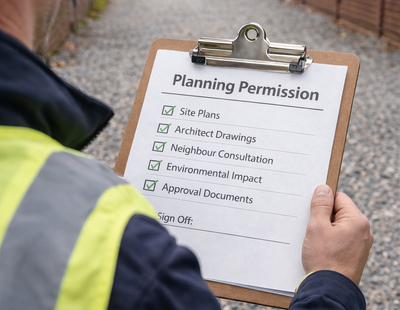
Simple: Gravel drives are easy to install, low-maintenance, and don’t require planning permission in most cases.
-
Eco-friendly: Gravel driveways are permeable, allowing rainwater to pass through them. They’re better for the environment than hard surfaces, where water runs straight off into the drains.
-
Affordable: Compared to tarmac or paving, gravel drives are cost-effective.
-
Secure: That crunching sound can alert you to unwanted visitors.
Aggregate vs gravel
Let’s just clear this up, as the terms are often used interchangeably in the UK. “Gravel” can describe either a natural product formed as rocks wear down over time, or a man-made substance created by crushing rocks in a machine.
“Aggregate” typically describes a mixture of crushed stone, natural gravel, and sand. The main thing to be aware of is that man-made material is best for driveways due to its angular shape.

What gravel is best for a driveway?
There are many different kinds of gravel available - here’s how to make sure you pick the right type, shape, size, and colour.
Gravel type
The first thing to understand is that you’re not putting a single layer of gravel on your driveway. You’ll need to add it in layers, compacting the first (the sub-base) before putting a more decorative layer on top.
The job of the sub-base is to provide a solid foundation for the drive, and to allow natural drainage. MOT Type 1 is a good choice for this - it’s a mixture of crushed rock in various sizes, which compacts into a dense layer.
On top of this, it’s best to use open-graded materials such as 4/20 (a mixture of stones ranging from 4mm to 20mm). These allow water to pass through easily into the ground.
Some materials, such as crushed granite, are suitable for both the sub-base and the top layer.
Materials
Durability is the key, which is why granite, limestone, flint, basalt, and quartz are popular choices for driveways. Some people go for slate, but the downside is that it’s quite brittle and not suited to a drive with heavy traffic use. Softer sandstones and shale can also get crushed by vehicles.
As an alternative to loose aggregates, you can use a self-binding material. This pre-mixed combination of gravel, sand, and clay is easily compactable and creates a more solid finish to keep the stones in place.
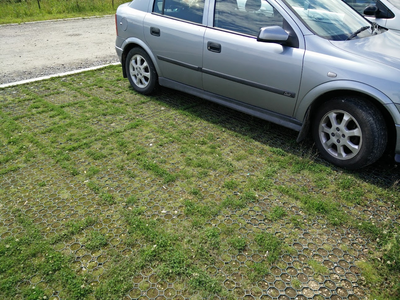
Self-binding gravel is semi-permeable, so it drains better than solid surfaces like tarmac - but not as well as loose gravel. If you choose loose gravel, you can use edging and a grid to keep it in place.
Gravel shape
Angular gravel is the best choice, because its edges “lock” together under the weight of a car. This forms a compact surface that stays in position better than rounded stones.
For example, the smooth, rounded stones of pea shingle will move around too much (although you can use this in your top layer). Broken or crushed aggregates are ideal as they have sharp and irregular edges.
Gravel size
It’s important to choose gravel that’s neither too big nor too small. Anything above 20mm is likely to move around, creating an unstable surface for driving and walking. The gravel pieces can also fly out from under your wheels.
On the other hand, very small stones (for example, 6mm or below) tend to get stuck in your tyre treads. This leads to gravel loss, meaning you’ll have to top up your driveway more frequently.
You can use a gravel grid to help keep smaller stones in position, but bear in mind that really fine gravel won't let water through.
Gravel colour
You’ll want to pick something that complements the rest of your garden and home, but think about the practicalities too.
For instance, dark-coloured gravel won’t show oil stains or discolouration from car emissions, whereas lighter stones require more maintenance to keep them looking clean. However, they have a brighter appearance from reflected sunlight.
Natural stone materials won’t fade in the sun, but they may take on a weathered appearance over time, with the outer layer breaking down and sometimes revealing new colours beneath.

How to look after a gravel drive
Follow these tips to maintain the appearance and longevity of your gravel driveway.
Use a gravel grid
Even if you pick the right type of gravel, it can still move around - especially under heavy vehicle use, after heavy rain, or on a sloping driveway. Gravel grids help to prevent this by keeping the stones contained, as well as providing structural support for the drive and allowing natural drainage. They’re easy to install and maintain.
Use a geotextile membrane
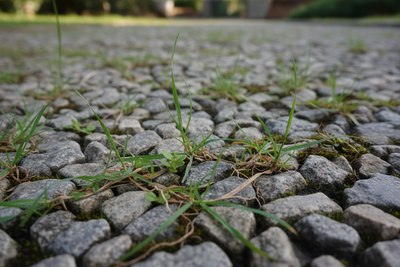
Weeds sometimes pop up in gravel, but using a geotextile membrane below the gravel grid helps to prevent them from growing. It also stops the top layer of gravel from mixing with the sub-base, while still allowing water to drain.
Top up your gravel
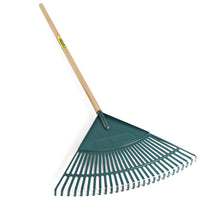
Some gravel will inevitably migrate off your drive over time, so it’s good practice to add fresh gravel every two to five years. Regularly evening out the stones with a rake - and moving gravel from the sides into the centre - will help with drainage.
Drive smoothly
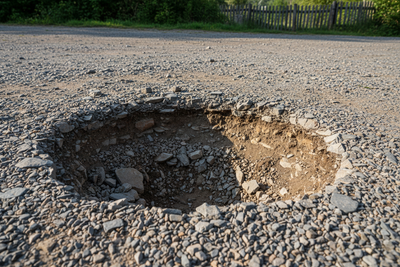
Avoid sudden braking and making frequent tight turns in the same spot, as this can lead to rutting, potholes, and gravel loss. It’s also best to avoid dry steering (turning the wheel while stationary).
Final thoughts
If you choose the right gravel for your driveway, you’ll create an attractive, eco-friendly surface that will last for many years. And using a gravel grid as a foundation makes the drive even easier to maintain.
Need more advice about gravel driveways? Give our friendly team a call.
- Author

You might like:
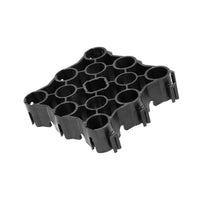
EcoGrid E80 Ultra-Heavy Duty Ground Reinforcement Grid System - 330mm x 330mm x 80mm (8mm thick)
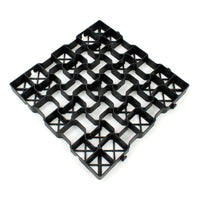
GeoGrid Standard HoneyComb Plastic Pavers Gravel Grids - 495mm x 495mm x 40mm

100gsm GeoTextile Fleece Non-Woven White Drainage Membrane
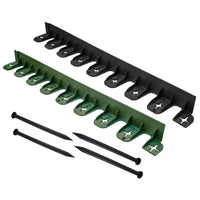
EcoGrid 800mm Flexible Plastic Lawn Edging System Inc. 4 Pins

Alusthetic AluFlex 2m Aluminium Lawn Edging Strips - Inc 4 Nails, 1 Joiner