
 +44 (0)1905 794875
 Wholesale Prices


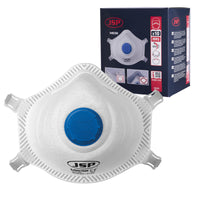
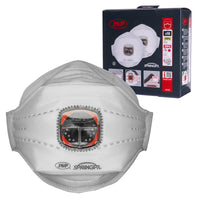
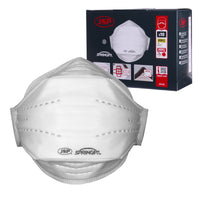
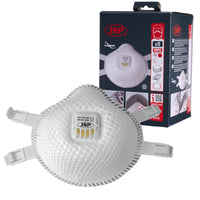


Key disposable RPE features, considerations, and limitations
Here are some factors to think about before choosing your disposable dust and face masks:
Filtration level
Getting the right filtration level is critical to ensure protection when working with RPE. We stock FFP2 and FFP3 face coverings, with FFP2 being the very minimum required for commercial work.
Valved or unvalved?
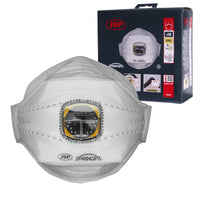
FFP2V and FFP3V masks feature a valve that makes breathing out easier and can prevent the mask from moving if you breathe out sharply. It also helps stop the filter medium from becoming damp with exhaled moisture, which can impact performance. However, in a medical setting, you may want to protect others from your exhaled breath by using an unvalved mask. This means the air is filtered both when inhaling and exhaling.
Reputable supplier
Check that the supplier you are purchasing from is reputable as there are many outlets selling counterfeit products or products that do not meet UK safety requirements.
UK-certified products
Make sure the products you buy have been tested for use in the UK. Do not purchase KN95 or N95 masks as these are not suitable for use in the UK.
Facial hair
To wear any RPE, you need to ensure that the sealing area around the mask is free from facial hair. This includes stubble, which, if present, can cause air leaks and allow hazards to be inhaled.
Head loops
Ensure your chosen mask has loops that attach behind the head. Many cheaper masks only feature ear loops - it has been proven through testing that these don’t hold the mask tight enough to create an effective seal.
Work intensity
One limitation of disposable masks is that they cannot be used for particularly energetic tasks. This is because they can easily be knocked out of position or exhaust the wearer as they restrict breathing when compared to half masks.
Mask style
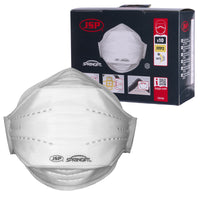
The style of mask you choose will depend very much on personal preference. Fold-flat masks have the bonus of being easy to transport and often come individually packed.
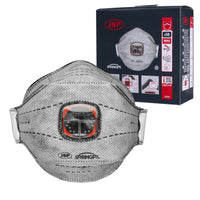
Activated carbon layer
Masks marked as having odour-mitigating properties feature an activated carbon layer. It is important to note that this layer is only suitable for odour control and not for fumes.

