+44 (0)1905 794875
 Wholesale Prices

Bollards Buying Guide: Choose The Right One For The Job
The world of bollards is a wide one - and if you’re stepping into it for the first time, it’s all too easy to buy something that’s unsuitable for your purpose.
Let us guide you through the different bollard types and materials, and point out some considerations you might not have thought about. In short: it makes sense to read this article before you buy bollards!
Define the purpose of your bollards
The first thing to think about is your reason for buying bollards, as different use cases will require different types and considerations.
Security
Using bollards for security purposes requires a suitably robust design. Metal bollards are ideal, especially with cast-in installation (where the bollard is concreted into a hole in the ground rather than bolted to the surface).
If permanent bollards are unsuitable because you need access to the area, you can also use removable or drop-down bollards for security. Just make sure they have a locking mechanism to secure them when they are in place.
Anti-ram bollards are reinforced with a steel core, and can prevent ram raids by stopping vehicles travelling at low-to-medium speeds. These are different to Hostile Vehicle Mitigation (HVM) bollards, which will stop heavy vehicles travelling at high speed.
Traffic guidance
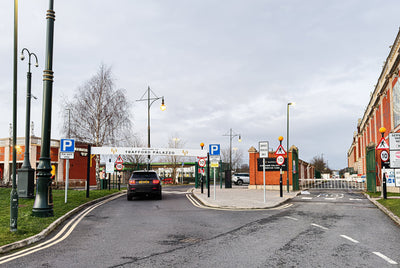
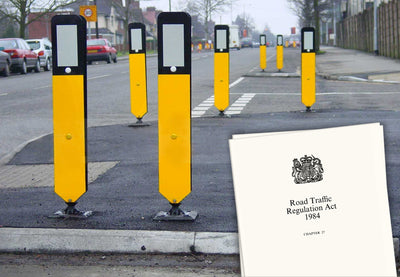
You might be looking to install bollards along the roadside or to delineate a footpath or a parking area. For traffic guidance, you’ll need to buy bollards with reflective surfaces or bright colours for maximum visibility, especially if they’re warning drivers of hazards such as sharp turns.
Traffic bollards should also be weatherproof - and durable in case they get hit or scraped by vehicles.
Access control
Another reason for buying bollards is to control or prevent access to certain areas. You may want to stop cars from parking on verges, or deter vehicle thieves with a retractable bollard at the end of your driveway.
Access control bollards should be spaced so that cars cannot get between them. If you want to set up pedestrian-only access, put the posts even closer together so that even mopeds can’t get through.

Asset protection
Bollards are useful for protecting assets such as buildings, equipment, and infrastructure. At a warehouse, protective bollards prevent forklifts from causing damage to walls, pallet racking, or loading bays.
You might also install them around commercial buildings such as supermarkets, or in car parks to protect EV chargers and lamp posts. They can even be chunky enough to stop an HGV travelling at low speeds.
In this instance, you’ll usually need bollards made of steel, or steel filled with concrete. Some are supplied with a rubber foot that allows the post to flex slightly, slowing the vehicle without ripping out the bollard fixings and damaging the floor.
Illumination
If you’re installing bollards in an unlit area, illuminated posts can help pedestrians or vehicles without lights to find their way. Some versions use built-in motion sensors and run on solar power to save energy. As well as improving safety and navigation, you might also buy bollard lights for visual appeal.
Choose the right type
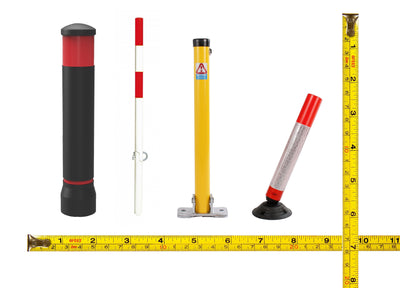
To help you choose the right product for the job, these are the main types of bollard available:
-
Fixed: Permanent bollards installed with either bolt-down or cast-in fixing methods.
-
Spring-back: Fixed bollards that flex and spring back into place if hit by a vehicle.
-
Drop-down: Folding or hinged bollards either stand upright or fold flat.
-
Retractable or telescopic: These drop right down into the ground, which is ideal if the driveway or road is in daily use.

-
Removable: Can be removed completely. It’s best to use these when you only need to remove them occasionally rather than every day.
-
Specialist: This category includes illuminated bollards as well as wooden designs and bollards with built-in cigarette disposal.
Choose the right material
Again, different materials suit different purposes. You’ll need to consider the location of your bollards and the durability requirements.
Plastic
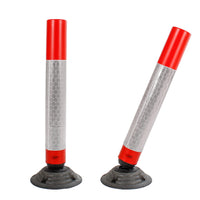
Plastic has the advantage of not rusting. Some of these bollards have a robust steel core, while others are fully flexible - such as the self-righting design that "gets back up again” after being hit or run over.
Stainless steel
This material is ideal if you’re installing bollards in a seaside area where the risk of corrosion is high. It also gives a premium finish.
Galvanised
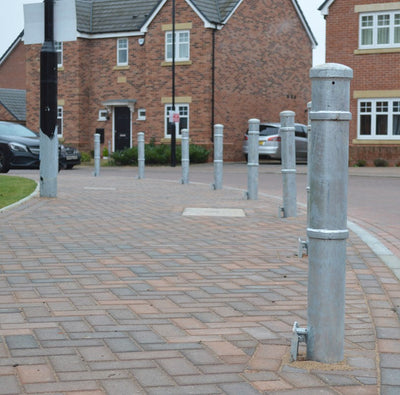
Galvanised coating won’t corrode, unless it’s exposed to sea air or left outside for a long, long, long time! You can choose to keep the galvanised finish or add a powder coating on top.
Plain steel
This strong material is suitable for protective bollards. However, if the finish (paint or powder coating) is chipped or scratched, the steel will rust - so it’s best for indoor use.
Powder-coated
This gives an attractive finish in the colour of your choice (such as yellow for high visibility) and also stops corrosion unless it gets scratched or chipped. Powder coating can be applied over galvanised finishes for indoor or outdoor use.

Wood
Wood gives you a natural yet ornate look, which is perfect for country parks. Because it’s a natural product, it can swell and crack as the wood gets wet and dries out again - this is completely normal and to be expected.
Cast iron
Traditional bollards are often made of cast iron, for its durability and classic visual appeal.
Fau-Cast
These bollards are made of polyurethane plastic, but they’re cast to look just like real cast iron. They are especially hardwearing.
Choose the right size
Your next question is probably “What size bollard do I need?” The answer will depend entirely on the application.
For security and asset protection, bigger can often be better - but larger bollards are heavier, so this should be a consideration if you’re going to be moving the posts around (such as drop-down or removable bollards). Bigger and more robust bollards come with a higher cost, too.
What about the height? This depends on the type of vehicles you’re expecting to encounter. Shorter bollards can protect low shelving in a warehouse, without hindering picking operations. Taller posts are useful in car parks as they’re easily seen through the back window of a vehicle, helping to stop drivers reversing into them.
Further considerations
Once you’ve chosen the bollard type and material, there are still a few things to bear in mind. These aspects are often overlooked when buying.
Work required
The amount of work will depend on the type of bollard you buy, but all bollards need to be fixed securely to the floor. This requires either drilling (for bolt-down bollards) or excavation (for the cast-in method).
Some bollards require deeper holes than others - for example, retractable bollards need space to slide down into the ground. Before starting to dig, it’s crucial that you find out if there are any buried services (water, gas, cables) in the area.
If you’re installing a socket for a retractable bollard, you’ll need to ensure a LOT of drainage so that it doesn’t fill with water and freeze.
For more detail on installation, see our article on how to install a bollard.
Surface type
Bolt-down bollards can be bolted to concrete or tarmac, and work especially well on pre-finished surfaces. But they are only as good as the surface you bolt them to, and in any case they are often not as secure as cast-in bollards.
Cast-in bollards are ideal where security is a maximum concern. You can install them in any hard surface, but it’s harder to dig down into concrete than into tarmac or asphalt - so you’ll need the appropriate tools.
The casting-in method is great for areas where the whole installation site is being redeveloped, because the bollards go in before any top dressing is applied - this means you won’t have to dig up a finished surface.

Adequate space
If you go for drop-down or folding bollards, you’ll need to allow enough space for them to lie in the “down” position. For example, on a short driveway, you may not have room to drive over them and then stand them back up.
In this situation, you may be better off with a retractable or telescopic bollard that slides down into the floor, or a completely removable bollard. For the latter type, you can install an additional socket out of the way somewhere, for storing the bollard when not in use.
Locking mechanisms
Some locking bollards have an integral lock, while others require a separate padlock, which you’ll usually buy separately. Built-in locks are handy because there’s no risk of you losing the padlock!
If you’re installing multiple bollards on one site, it can be useful for them all to have the same lock and a single key. You might prefer the individually-keyed option (each bollard has a unique lock) for applications like blocks of flats where every occupant has their own parking bay with bollard.
Do bollards require much maintenance?
Fixed bollards may need the odd bit of maintenance here and there, but on the whole they are very easy to care for. Just keep them clean, especially if they are designed for visibility. Reflectors may need replacement over time.
Powder-coated and painted items may need occasional paint touch-ups, since any chips or scratches can expose the bollard to corrosion (although this is less of a concern for items that are galvanised underneath). You can also use rust remover on metal bollards.
For retractable or removable posts, it’s a good idea to lubricate the moving parts and the locks from time to time, and keep them free from contaminants.
Some locks can freeze in the winter, but you can help to avoid this by using WD40. It’s effective at driving moisture out of the lock, and regular application of WD40 also removes any dirt or debris to ensure continued ease of use.
With any type of bollard, it’s important to inspect them regularly. Check the post itself for any damage from vehicle impacts, and the fixings for problems like loose bolts or cracks in the foundations.

Final thoughts
Whether you want to buy parking bollards, security bollards, or illuminated posts, it’s worth taking the time to investigate the different types and materials - as well as the installation process and maintenance requirements.
We hope you’ve found our guide useful, but if you have any further questions, just give our friendly team a call.
FAQs
Do I need planning permission for bollards?
If you own the land and your parking space, you should be able to install bollards with no problems. But it’s always best to double-check with your local council in case there is additional legislation covering your property or area.
Leaseholders don’t usually need planning permission, but you will need to seek approval (and ideally written consent) from your landlord or property management company.
Where is the best place to buy bollards online?
Start Safety, of course! We sell a vast range of bollards from trusted manufacturers, so you’ll easily find the right one(s) for your purpose.
- Author
- Tags
You might like:
Autopa Cornwall Ornamental Galvanised Steel Bollard 1000mm - GFC2500 (No Fixings)
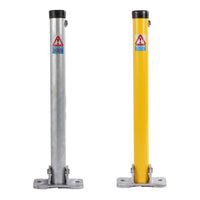
Autopa Galvanised Integral Lock Parking Post Folding / Hinged 730mm x 60mm
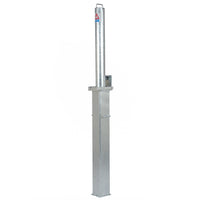
Autopa RetractaPost Galvanised Retractable Bollard External Lock 500mm

Iconium Stratton Double Wooden Bollard Light
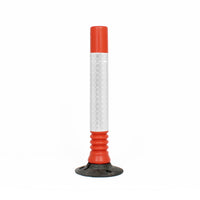
Flexi Cylinder Self Righting Delineating Post With Sleeve
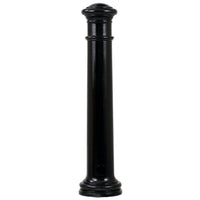
Manchester Heritage Fau-Cast Iron Bollards UltraThane 6000
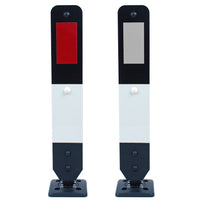
ST Blade Hazard Marker - Bolt Down Or Cast Surface Mount
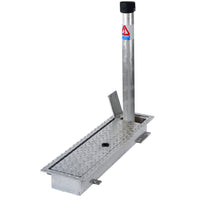
Autopa Galvanised Stealth Flush Fold Parking Post 660mm x 60mm
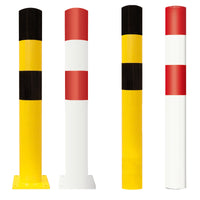
Black Bull Heavy Duty Fixed Bollard
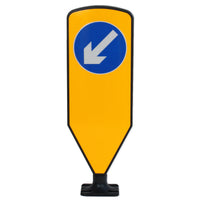
Duraflex Self Righting Traffic Bollard | Multiple Options