+44 (0)1905 794875
 Wholesale Prices

Do You Need Planning Permission For A Bollard?
Intending to install bollards outside your home or business to improve its appearance or prevent vehicle theft? Great idea - but do you need planning permission for a bollard?
The short answer is “sometimes”. The long answer is . . . read on to find out!
When is planning permission not required?
If your installation meets all the criteria below, it’s unlikely that you would need planning permission for bollards:
✅ You own the land
✅ Your land is not subject to any special conditions
✅ You want to install a regular, normal-looking bollard
✅ You’re not installing it outside a listed building.
However, it’s always best to double-check with the relevant authority before going ahead!

When do you need planning permission?
Here are some scenarios where you may require planning permission to install bollards:
Shared access
If you have shared access to a driveway or piece of land - or your bollard may otherwise interfere with someone else's use of their land - then you will likely need to get planning permission.
Conservation areas
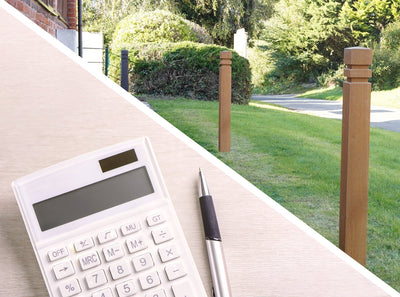
Planning permission may also be required for land within a designated conservation area, even when you own the land. For example, if you live in a quaint village and you want to surround your frontage with bollards that are not in keeping with the general look of the place, this may be construed as “changing the street scene” under the Town and Country Planning Act 1990.

Unusual bollards
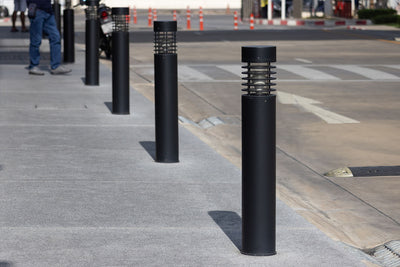
This category describes any bollard that’s abnormal in some way - maybe it’s exceptionally tall or wide, or just really prominent.
Paved frontages
This one’s quite an extreme example, but it’s worth thinking about. Let’s say you want to pave your front garden and install a bollard to prevent unauthorised parking.
You may find that you need permission for this - because you’re basically creating a driveway. If you do intend to park on the paved frontage yourself, you’d have to ask the council to put a dropped kerb in for you (if this is approved).
Even if a dropped kerb already exists, that doesn’t mean you’ll get permission for a driveway. In 2023, a homeowner in Darlington found this out the hard way. The local council actually installed bollards to block vehicle access to the homeowner’s new paved frontage, because it was too close to a school crossing point.
This handy table shows you the likely requirements at a glance:
| Situation | Planning permission needed? |
|---|---|
| Private driveway (normal house) | ❌ No |
| Private land in conservation area | ⚠️ Possibly |
| Listed building | ⚠️ Likely |
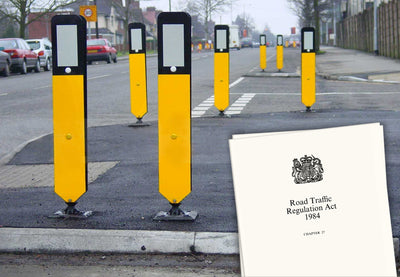
| Pavement or road | ❌ No, but council permission required instead * |
| Part of larger development (such as a new shopping centre or business park) | ✅ Often, yes |
* Bear in mind that you won’t be permitted to install a bollard on any public or council land (unless of course you are a contractor working for the local authority!)
Closing thoughts
If you’re installing bollards on your own land, you won’t need planning permission in the majority of cases. But because there are some situations where different rules apply, it’s always better to check. Otherwise you might be fined or ordered to remove the bollards.
Got permission? Find the bollards you need at Start Safety, or give us a call for advice.
- Author
- Tags
You might like:
Wychwood Flexible Verge Marker Post - Reflective - JSP
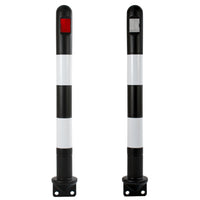
Reflective Verge Road Marker Post - Churchill Bollard
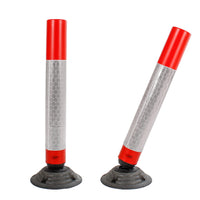
JSP Springback 75cm Traffic Delineator Post With Sleeve
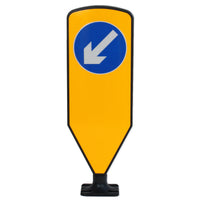
Duraflex Self Righting Traffic Bollard | Multiple Options
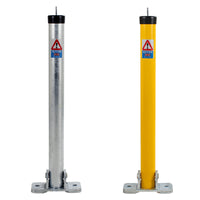
Autopa Galvanised Padlock Parking Post Folding / Hinged 730mm x 60mm
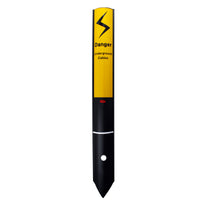
Danger Underground Cables' Verge Marker Post | HEV040-125-301
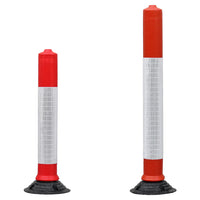
JSP Glopost Delineator Marker Post - 75cm or 100cm
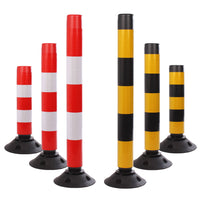
Traffic Line Off-Highway Posts | 460mm, 760mm & 1000mm
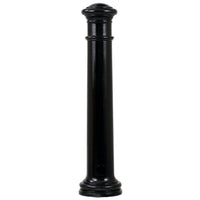
Manchester Heritage Fau-Cast Iron Bollards UltraThane 6000
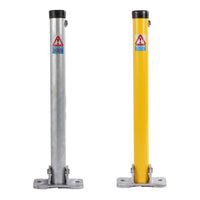
Autopa Galvanised Integral Lock Parking Post Folding / Hinged 730mm x 60mm
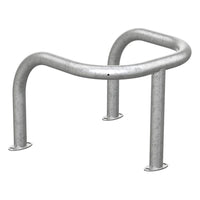
Procity Electric Car Charge Point Protector - Tripod Design (No Fixings)