+44 (0)1905 794875
 Wholesale Prices

Can The Council Place Bollards On Private Land?
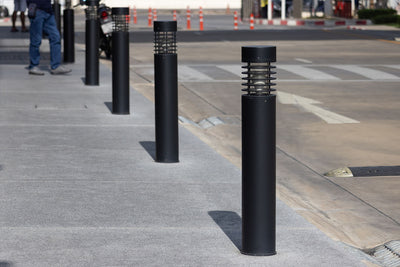
Local authorities often install bollards on roads and in town centres for security or decorative purposes. But can the council put bollards on private land?
In this article, we’ll answer that question and explore what to do if there’s a dispute over bollards.
Where can the council install bollards?
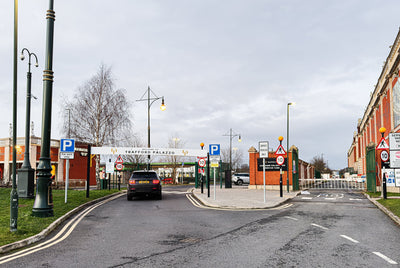
A local council can place bollards (or other street furniture) on any public land - i.e. land that the council owns or maintains. This typically includes roads, pavements, grass verges, and public spaces like parks, town squares, and car parks. It also covers council-owned residential and commercial property.

Can the council place bollards on private land?
The short answer
The short answer is no. If you definitively own an area of land, nobody else has the authority to install bollards there. This includes your garden, driveway, and any private roads or fields within the boundaries of your property.
The long answer
In some cases it’s not clear where the boundary lies, or who actually owns the land. For example, property owners sometimes think they own a pathway or grass verge just outside their home or business, when in reality it forms part of the public highway.
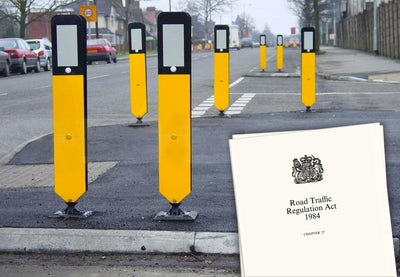
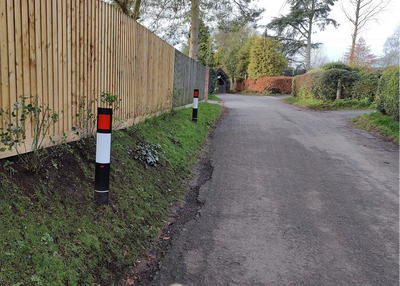
As we mentioned, the council can install bollards on the public highway - even if it happens to be outside your property. They may do this to prevent drivers from parking on the pavement or verge, blocking footpaths, or cutting through areas to avoid traffic.
In some cases, this can cause problems for the property owner. While it’s unlikely that the council would install bollards right in front of your driveway, there is a case where this happened.
The council in question installed bollards to block vehicle access to a homeowner’s new paved frontage, because it was too close to a school crossing point. This illustrates the importance of seeking planning permission before creating a driveway, with or without bollards!

Your rights and how to enforce them
If the council installs or intends to install bollards on land that you own (or think you own), these are the steps to take:
1. Check land ownership
The first step is to check that you definitely do own the land. You can do this by visiting HM Land Registry and searching for your property.
You’ll also be able to download copies of the property summary (free), the title plan (£7), which includes the property’s general boundaries, and the title register or deed (£7).
Online copies can’t be used as proof of ownership in a court case - this requires an “official” copy, sent to you by post.
It’s worth noting that in England or Wales, there’s usually no record of the exact boundary between two properties or of who owns the hedge, wall, tree, or fence between the properties. But you can use the title plan to get an idea of your boundaries.
2. Confirm highway status
You can find out if an area of land is publicly maintained by checking the National Street Gazetteer (England and Wales) at FindMyStreet.
This will tell you if the road is an “adopted” highway (a road, pavement, or verge maintained by the local council) or an “unadopted” or private road, often owned and looked after by the people who live or work alongside it.
Another option is to request a Highway Extent Enquiry or Highway Search from your local authority’s Highways Department (you’ll have to pay for these, with costs varying across the country).
This will show you where the public highway begins and ends, and identify public rights of way and any land that is privately owned.
If a public right of way crosses your private land (such as a footpath or bridleway across your field), the council has responsibility for maintaining it. It’s unlikely that they would place bollards there, as these paths must be kept free from obstructions - and as the landowner, you can’t install bollards or gates on a right of way either!

3. Contact the council
If you can prove that you do own the land in question, and that the council does not have the right to install bollards there, show them your findings from the steps above. You can ask them to remove their bollards or withdraw their plans to install.
If your local council has installed bollards on public land and they are preventing you from accessing your own property - as is your right - this may constitute an unlawful obstruction.
Make sure you keep clear records of all your communications for reference.
4. Seek legal advice if needed
If there is a dispute with the council about who owns the land, or if you believe that they have installed bollards with no legal basis for doing so, your final step is to seek legal advice from an expert.
Rules for putting bollards on your own land
What if you want to place bollards on your own private property, such as on your driveway? The good news is that in most cases, you shouldn’t need planning permission.
However, you should always double-check, as there are specific rules if you live in a listed building or a conservation area or if you want to install very unusual bollards. Always make sure that the installation won’t obstruct your neighbours or a public highway.

Closing thoughts
The council can’t place bollards on private land, but it can place them close to your property. If you’re unsure of your rights, check the land ownership and seek legal advice if needed.
Want to buy bollards to place on your own land? Start Safety has a wide array of bollard types - browse our store or give our friendly sales team a call.
- Author
- Tags

You might like:
Wychwood Flexible Verge Marker Post - Reflective - JSP
Reflective Verge Road Marker Post - Churchill Bollard
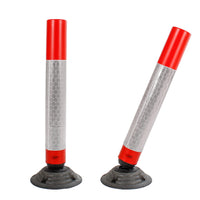
JSP Springback 75cm Traffic Delineator Post With Sleeve
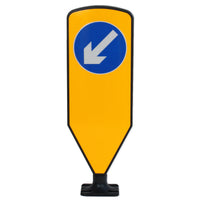
Duraflex Self Righting Traffic Bollard | Multiple Options
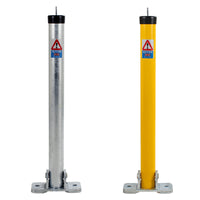
Autopa Galvanised Padlock Parking Post Folding / Hinged 730mm x 60mm
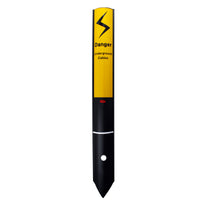
Danger Underground Cables' Verge Marker Post | HEV040-125-301
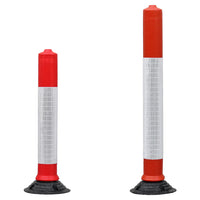
JSP Glopost Delineator Marker Post - 75cm or 100cm
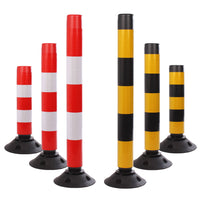
Traffic Line Off-Highway Posts | 460mm, 760mm & 1000mm
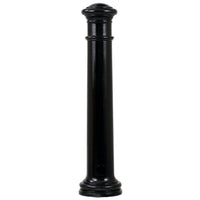
Manchester Heritage Fau-Cast Iron Bollards UltraThane 6000
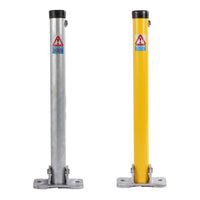
Autopa Galvanised Integral Lock Parking Post Folding / Hinged 730mm x 60mm
Procity Electric Car Charge Point Protector - Tripod Design (No Fixings)