+44 (0)1905 794875
 Wholesale Prices

Road Sign Maintenance & Cleaning Guide
Even the best-quality road signs will eventually experience wear and tear - and dirty or damaged signs can cause problems for drivers, pedestrians, and traffic authorities.
In this article, we’ll explain why it’s so important to keep road signs in good condition, and show you how to do it.
Why is it important to maintain road signs?
Road signs have a crucial job to do, and their warnings or instructions need to be clearly visible and legible. When road users can’t see what the sign says, it can lead to confusion and accidents.
If an illegible road sign contributes to an accident - or if a driver gets a speeding fine because they were unable to read the speed limit sign - this could result in legal action against the traffic authority responsible.
The Traffic Signs Manual also points out that damaged or dirty signs discredit the traffic authority and reduce road users’ respect for the signs.

Why do signs wear out?
Good quality road signs are made from durable materials like aluminium, steel, and plastic - they're designed to be outdoors in all weathers. However, even the most robust sign will eventually show signs of wear and tear.
For example, they’re constantly exposed to rain, UV rays, and air pollution, as well as vehicles spraying up water, mud, grit, and salt from the road.
Dirt and grime reduce the effectiveness of retro-reflective signs, meaning they won’t show up properly at night. If moisture gets under the reflective sheeting, it affects the adhesive.
Road signs are sometimes vandalised, while damage can also occur if a sign (or its mounting post) is hit by a vehicle.
Temporary signs for roadworks are more likely to be damaged in this way as they’re in closer proximity to vehicles. They’re also moved from place to place, sustaining wear and tear from handling and stacking. (see article about storage - eventually)
Some signs are displayed on the road surface, and these markings can eventually wear away under traffic and weather.

What are the regulations for road sign maintenance?
Chapter 1 of the Traffic Signs Manual provides guidelines for maintaining and cleaning road signs, although it doesn’t go into specifics.
It states that the relevant authority should inspect road signs for three main characteristics:
-
visual condition
-
electrical condition
-
structural condition.
It also says that regular cleaning of signs is essential, and that it should be carried out in accordance with the sign manufacturer’s instructions to avoid damaging the sign face or any protective overlay.

When should you replace road signs?
For temporary road signs, there’s a scale of acceptability set out in Chapter 8 of the Traffic Signs Manual.
-
Acceptable: “Symbols are clearly legible despite some abrasions on the sign face. The colours are vivid.”
-
Marginal: “There are numerous abrasions on the sign face, but there are no large areas missing or covered by residue. Despite some colour fading the sign face remains vivid."
-
Unacceptable: “A high proportion of the sign face is damaged. The obvious colour fading no longer matches the standard colour.”

You can continue to use “acceptable” and “marginal” signs, but keep a close eye out for further deterioration. You should replace “unacceptable” signs immediately.
Note: the regulations are slightly different for signs with lettering instead of symbols, although the same scale of acceptability is still used. You can learn more in Chapter 8 Part 2 (page 205).
The manual also states that temporary sign faces must be kept clean and legible at all times, and any displaced, missing, or damaged signs must be replaced as soon as practicable.
For permanent road signs, there is no scale as such. If defects are identified during regular inspections, these are categorised as “critical” or “non-critical”. More about inspections in the following section!
How to inspect road signs
The National Highways CS 125 is the standard that sets out the requirements for the inspection of permanent traffic signs.
It’s similar to the Traffic Signs Manual guidelines in that it calls for assessment of visual performance, structural integrity, electrical safety, and the need for removal or replacement.
CS 125 requirement 2.3.3 stipulates that inspections should be carried out every two years, although the frequency and timing of the inspection should be determined by a risk assessment for each sign.
This should cover things like the sign’s proximity to the carriageway and to vegetation, and how essential the sign is for safety. It’s important to check signs under both daytime and night-time conditions, and categorise any defects as critical or non-critical.
CS 125 also specifies how to measure the performance of retro-reflective traffic signs using a calibrated handheld retro-reflectometer. If the sign is illuminated by an internal or external source, you will need to check this too.
Structural integrity includes checking the sign’s fixings - is there a risk of it falling over, or of any parts falling off and injuring people?

How to clean and maintain road signs
Here are some tips for keeping your road signs in good condition.
Conduct regular cleans
It’s essential to clean road signs regularly. According to CS 125, the frequency of cleaning should match the rate at which dirt and vegetation builds up on each sign face. For example, signs in tunnels or at a low height above the road will get dirtier faster.
The recommended maximum intervals are no more than 6 years for traffic signs mounted above the carriageway (such as on gantries) and no more than 3 years for other signs.
Remember, maintenance also includes making sure that road signs are not obscured by vegetation.

Follow instructions
CS 125 and the Traffic Signs Manual both mention the importance of following the sign manufacturer’s cleaning instructions to prevent damage, which can occur if you use the wrong materials or techniques.
For example, if the sign has a dew-resistant overlay or coating, you should use clean water from a low-pressure hose. You can clean retro-reflective road signs with a soft cloth and a gentle cleaner with a pH of 6 to 8.
Keep a record
You’ll need to keep records of any maintenance you carry out, including dates and details of any action taken or required. For instance, did you fix a damaged sign or does it need to be replaced? This way, you’ll know exactly when each sign was last inspected or cleaned, and when you should do so again.
What if a road sign has reached the end of its life?
If a road sign is seriously damaged or has deteriorated beyond repair, it is no longer fit for purpose and must be replaced. The good news is that many temporary signs are recyclable.
Those made from aluminium or polycarbonate can be recycled - typically, the local authority will collect old signs and send them to a recycling centre. This must be done in accordance with the Environmental Protection Act 1990.
Proper maintenance will prolong the life of road signs, especially if you handle and store them correctly. By using a modular system like QuickFit for temporary signage, you can replace component parts instead of the whole sign.

Need to buy new road signs?
So now you know why it’s important to keep your road signs clean and well-maintained, and how to do it. For the latest guidance on any road sign usage, consult the Traffic Signs Manual.
If you need to buy new road signs, look no further than Start Safety - we offer a huge selection of permanent and temporary signs, plus advice on choosing the right ones for the job. Browse our website or give us a call!
- Author


You might like:
Anti-Rotational Sign Clips / Post Clips Multiple Size Options
Frame Clips for Metal Temporary Road Signs (sold as singles)
76mm Posts Galvanised 3" Sign Posts in Various Lengths - S275 Grade Steel
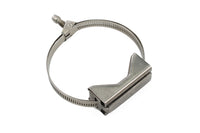
Universal Sign Clips for Post / Pole Mount Signs
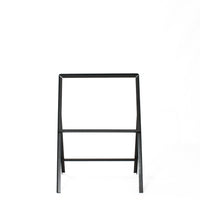
600 x 450mm Rectangular - Metal Temporary Road Sign Frame | Stanchion
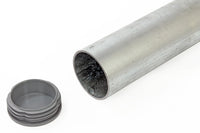
Internal End Cap for Sign Posts - Post Cap

1050 x 750mm Rectangular - Metal Temporary Road Sign Frame | Stanchion

5mph Speed Limit Sign Post Mounted Diagram 670 R2/RA2
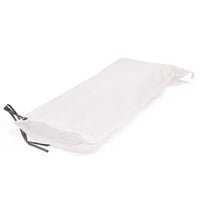
SandBags - White / Black Polypropylene (Empty / Unfilled)
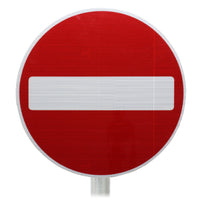
No Entry Sign - Post Mounted Diagram 616 R2/RA2
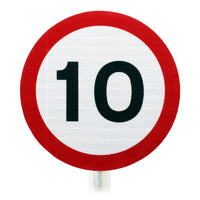
10mph Speed Limit Sign Post Mounted Diagram 670 R2/RA2