
 +44 (0)1905 794875
 Wholesale Prices

How To Clean A Respirator Mask
Keeping your respirator mask clean is essential for maintaining hygiene, comfort and - most importantly - effective protection. Whether you use a respirator for construction work, manufacturing or DIY projects, regular cleaning means the mask performs as intended and lasts as long as possible.
In our latest guide, we explain how to clean a respirator mask properly, which types can be cleaned, and what to avoid, following best practice that is commonly recommended in the UK.
Why cleaning a respirator mask is important
A dirty respirator mask can quickly become ineffective. Over time, dust, moisture, sweat and contaminants build up on the facepiece, which can:
- Reduce the effectiveness of the face seal
- Cause skin irritation or discomfort
- Lead to unpleasant odours
- Increase the risk of contamination
- Shorten the lifespan of the mask
Regular cleaning supports both personal safety and compliance with workplace health and safety standards, including guidance typically referenced by the Health and Safety Executive (HSE).
What are the different types of respirator mask?
Before cleaning anything, it’s important to identify which type of respirator you’re using, as not all masks can be cleaned.

Disposable face masks
- Designed for single use
- Not intended to be washed or disinfected
- Should be replaced once dirty, damaged or difficult to breathe through

Reusable half-face respirators
- Made from rubber or silicone
- Designed to be cleaned and reused
- Filters and cartridges are usually replaceable

Reusable full-face respirators
- Cover the entire face and include a visor
- Require regular cleaning and inspection
- Often used in higher-risk environments
What equipment will I need to clean a respirator mask?
Good question! Before you start, we recommend grabbing the following items:
- A mild detergent or manufacturer-approved cleaner
- Warm / tepid water (not hot)
- A soft brush or cloth
- A clean, lint-free towel (microfibre is a good option)
- Optional disposable gloves
Just remember to always check the manufacturer’s instructions for your specific respirator model before cleaning.
Safety precautions before cleaning your respirator
To make sure you’re doing the cleaning effectively, consider the below safety points:
- Make sure you wash and sanitise your hands thoroughly
- Remove the respirator very carefully to avoid contamination
- Take out all filters, cartridges and valves where you can
- Don’t use solvents, bleaches or any type of abrasive cleaner
- Do not use boiling water or the dishwasher
Filters should never be submerged unless explicitly stated in the manufacturer’s guidelines. In fact, filters should be kept as far away from water as possible, and you should never use an airline to clean them.
Our step-by-step guide on how to clean a reusable respirator mask

1. Disassemble the respirator
Remove filters, cartridges, valves, head straps (if applicable) and any other removable components.
2. Wash the facepiece
- Fill a sink with warm or tepid water and a detergent approved by the manufacturer of your specific model.
- Gently scrub the facepiece using a soft brush or lint-free cloth.
- Pay attention to any areas that contact the skin. Skin oils and detritus can cause the seal around your face to not be effective.
3. Rinse thoroughly
Clean water is then needed to rinse until all soap residue is removed. Leftover detergents can cause skin irritation and the degradation of materials over time.
4. Disinfect if needed
If the respirator is used in higher-risk environments, it may be necessary to disinfect the mask. Check with the manufacturer, either via their website or in the product information. Always follow the recommended dilution.
5. Dry the mask
Be sure to shake off any excess water before allowing to air dry in a clean, ventilated area away from sources of heat.
It’s really important that you do not reassemble the respirator until all component parts are completely dry.
Cleaning filters and cartridges

Most respirator filters and cartridges cannot be cleaned.
- Do not wash or disinfect particulate filters
- Replace filters if they become wet, damaged, clogged or difficult to breathe through
- Gas and vapour cartridges should be replaced according to the manufacturer’s schedule or if odours are detected
If in doubt, replacement is safer than attempting to clean. As we mentioned earlier, filters should be kept as far away from sources of water as possible.
How often should you clean a respirator mask?
As a general rule:
- After each use in dusty, hazardous or shared environments
- Daily for regular workplace use (PPE wipes are a handy and quick way to keep your equipment clean and ready for use)
- Immediately if visibly dirty, contaminated or causing discomfort
- Respirators used by more than one person should always be cleaned and disinfected between users
You should also know how often your PPE should be inspected too.
How do I store a respirator mask after cleaning?
Another good question! Proper storage can increase the life of your equipment, saving you money in the long run. Once fully dry, try to:
- Store in a clean, dry container
- Some masks are supplied with a re-sealable bag, but it’s incredibly important that the mask is completely dry when it is put back into its storage bag
- Keep away from any sources of chemicals or dust, and also direct sunlight
- Make sure the mask is able to retain its shape – don’t place anything on top of the mask that could reduce its integrity
Improper storage puts staff at risk and reduces the lifespan of the equipment.
But when should I replace a respirator mask?
Even with regular cleaning, respirators do not last forever. Replace the mask if:
- The face seal no longer fits correctly
- The material shows cracks, tears or any form of warping or distortion
- Valves are damaged or not functioning properly
- The respirator no longer passes fit checks*
*Fit checks should be carried out by someone who has experience in this area. Testing kits are available to buy from Start Safety.
Filters should always be replaced according to usage and manufacturer guidance.
Frequently asked questions about cleaning respirator masks
We’ve answered some of the most frequently asked questions about respirator masks and their care.
Can you wash a respirator mask in a washing machine?
No. Respirator masks should always be cleaned by hand unless the manufacturer specifically states otherwise.
Can disposable respirator masks be cleaned and reused?
Disposable masks are not designed to be cleaned and should be replaced once dirty or damaged.
How do you remove smells from a respirator mask?
Persistent odours usually indicate the mask or filters need replacing rather than cleaning.
Some final thoughts from us
Cleaning a respirator mask correctly is a simple but vital part of respiratory protection. By following proper cleaning steps, avoiding common mistakes and replacing filters when required, you can help ensure the respirator masks in your organisation remain safe, comfortable and effective.
With around 11,000 lung disease deaths each year estimated to be linked to past exposures at work, maintaining your equipment, and choosing the right respiratory mask is incredibly important.
Regular maintenance not only protects the wearer - it also helps meet workplace safety standards and extends the life of your equipment, saving your business money in the long run. If you’d like to chat about your PPE requirements, get in touch with the team at Start Safety today.
- Author

You might like:
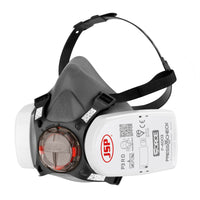
JSP Force8 Half Mask Medium P3 | Includes PressToCheck - F-4003 Filters | BHT0A3-0L5-N00
JSP PressToCheck™ P3 - F4003 Dust Filters - Pack of 2 | BMN990-001-700
JSP F-4713 ABEK1P3 PressToCheck Filters For Multi-Gas & Dust - 2 Pack | BMN750-000-600
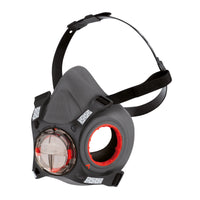
JSP Force8 Half Mask No Filters | Choose Your Size
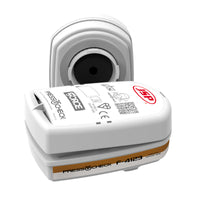
JSP PressToCheck™ F-4123 A2 P3 - Organic Gas & Dust - Pack of 2 | BMN740-000-600
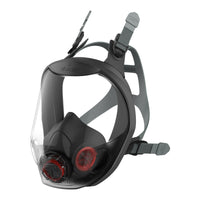
JSP Force10 Typhoon Full Face Mask | Range Of Sizes
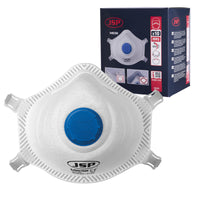
JSP Disposable Moulded Face Mask FFP3 With Valve (M632) 10 Pack | BGZ130-000-A00
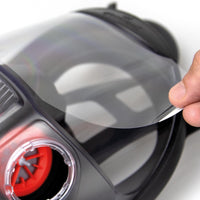
JSP Peel Off Visor Protector For Force10 Masks | 10-pack | BPS050-000-000
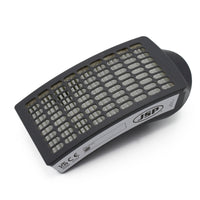
JSP TH3P R SL Filters For the PowerCap Infinity | Pair | CAU660-000-400
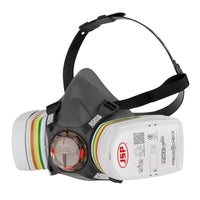
JSP Force8 Half Mask Medium ABEK1P3 | Includes PressToCheck - F-4713 Filters | BHT0C3-0L5-N00
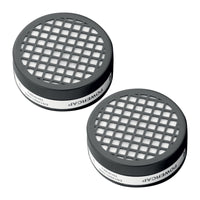
JSP PowerCap Active TH1P Replacement Filter Set | CAU601-001-100

