+44 (0)1905 794875
 Wholesale Prices

How To Repair Potholes In A Gravel Driveway
Potholes are the scourge of the UK road network - but did you know that they can also occur in a gravel driveway? These pesky craters make the surface uncomfortable to drive on, and can even cause damage to your vehicle.
In this article, we’ll discuss the root causes and explain how a gravel grid can help to prevent potholes developing. Whether or not you use a gravel grid, keep reading to learn how to repair potholes in a gravel driveway.
Why do gravel driveways get potholes?
Potholes are small craters or holes in a surface, appearing as depressions in a gravel driveway. But what are the main causes, and how are potholes formed?
Causes of potholes in gravel driveways
- Weather: Potholes often appear in climates with heavy rainfall and a winter freeze-thaw cycle.
- Vehicle use: Constant wear and tear leads to erosion, especially from heavy vehicles and frequent turning.
- Underlying issues: Problems like improper grading or lack of maintenance can also contribute to potholes.
How do potholes form?
Each time it rains, water seeps down through the gravel. It freezes and expands, lifting the stones higher. When it thaws, it leaves a hole - which fills with water again in the next downpour.
Rainwater also softens the driveway’s foundation and washes away smaller gravel particles. This makes the larger stones easier to dislodge.
When vehicles drive over these weakened areas, they push down on the remaining gravel and make the holes deeper. More stones are lost as the wheels spin, flinging them out of the driveway.
What sort of problems do potholes cause?
Potholes cause vehicles to jolt and bounce over the gravel, which is not only annoying but can also damage tyres and suspension. If a pothole has sharp edges, it can scratch your tyres, rims, and vehicle undercarriage.
You may even find that any insurance claim is rejected if the insurer deems poor driveway maintenance to be the cause of the damage.
Potholes are hazardous for pedestrians as well as vehicles - you could be badly injured if you catch your foot in a crater or slip on loosened gravel.
How can I repair potholes in my gravel drive?
If you don’t address the problem, potholes in a gravel driveway will just get worse. Our step-by-step guide will help you fix them effectively.
What to do
- Start by digging out the damaged area, clearing away any loose stones or waterlogged material.
- Make the hole bigger. Yes, really - you need to break up the sides of the existing pothole to stop it trapping water in the future. Enlarge it by 30cm in all directions.
- Re-establish a stable foundation by adding coarse gravel, up to around 8cm below the surface of the driveway.
- Compact this layer using a tamper or a 4x4 wooden post. Keep the gravel damp while you’re compacting it.
- Top the hole up with a finer “finishing gravel” and make sure this layer sits proud of the surface.
- Rake out this gravel to blend it into the rest of the driveway.
- Finally, compact it down further using a vehicle wheel. If you can still see a depression in the gravel, you may need to repeat steps 5 and 6.

What not to do
Avoid these activities, as they’ll ruin your repair!
- Just dumping in a load of gravel: This doesn’t address the root causes, so the potholes will return.
- Not squaring up the edges: Sloping edges are less likely to retain the filler. Make sure you cut straight down as much as possible, using a shovel.
- Not compacting gravel in layers: You need a coarse layer and a fine layer, and you need to compact them both.
- Using the wrong type of gravel for the repair: If the stones are too rounded, they won’t lock together and stay in place.
- Failing to address drainage issues: If your driveway doesn’t drain properly, find out why - and invest in a long-term solution.
- Repairing in unsuitable weather: You won’t be able to repair potholes effectively in heavy rain or freezing conditions.
- Using concrete or asphalt: Don’t be tempted to fill gravel driveway potholes with either substance. They’re impermeable, so the water runoff will lead to more erosion around the edges of the hole.

How can gravel grids help?
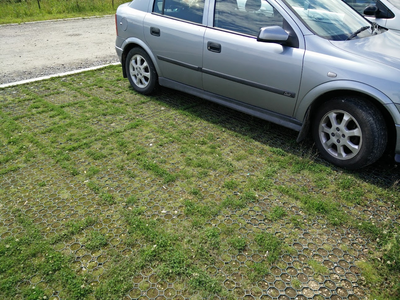
Gravel grids are permeable ground reinforcement systems designed to provide structural support for gravel (or grass) areas. They also help to keep gravel contained within the driveway, reducing the risk of depressions.
A major bonus is that rainwater drains directly through the grid into the soil beneath, instead of sitting in pockets among the gravel and weakening the driveway.
Usually made from sustainable plastic, gravel grids are easy to install - and they make your gravel drive easier to maintain.
Extra tips to prevent potholes
- Regular checks: Inspect your driveway frequently to look for any problems, such as gravel loss, depressions, or pools of water.
- Smooth driving: Avoid turning sharply or braking suddenly, and try to vary your tyre path so you don’t put repeated pressure on certain areas.
- A tidy drive: Clear up debris such as fallen leaves and grass cuttings, as they can trap moisture.
Final thoughts
Now that you know how to repair potholes in a gravel driveway, you spot the warning signs and fix them before they escalate. You can also follow our tips for prevention, such as installing a gravel grid to minimise the risk of potholes developing.
Need more advice on pothole repair or choosing a gravel grid? Just contact our friendly team.
- Author


You might like:
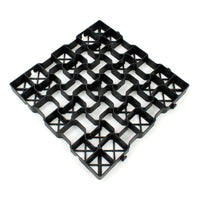
GeoGrid Standard HoneyComb Plastic Pavers Gravel Grids - 495mm x 495mm x 40mm
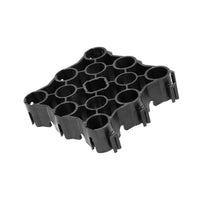
EcoGrid E80 Ultra-Heavy Duty Ground Reinforcement Grid System - 330mm x 330mm x 80mm (8mm thick)

Carters Shocksafe Insulated 10lb Square Rammer Punner BS8020
Carters ManMade 10lb Square Rammer

Carters ManMade 16 T Asphalt Rake
Carters Manmade No.2 Square Mouth Shovel