+44 (0)1905 794875
 Wholesale Prices

How To Remove Snow From A Gravel Driveway
Gravel driveways have many benefits - they’re durable, cost-effective, and eco-friendly. But when the winter weather hits, it can be tricky to clear snow and ice away from these surfaces without losing or damaging your gravel.
In this article, we’ll look at the problems snow can cause, and explain why permeable paving products like gravel grids are a great solution. But don’t worry if you haven’t got a grid; we’ll show you exactly how to remove snow from a gravel driveway, whatever type it is.
What’s the problem with snow on gravel?
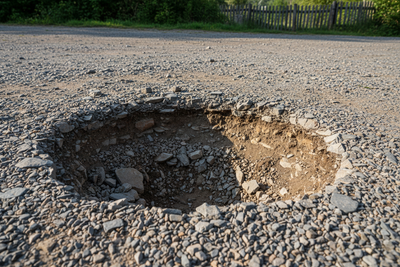
If you’ve ever tried to clear snow from your gravel driveway, you’ll know what a pain it can be. The melting snow can quickly turn into sticky mud, especially if you’re using salt and you don’t have a gravel grid installed.
On top of that, you risk removing all your gravel by pushing it off the driveway as you shift the snow. It’ll end up scattered across the pavement and you’ll have to go through the tedious job of putting it back once the snow has gone.
Gravel can also end up stuck to your vehicle wheels when they’re covered in snow, meaning the stones will drop off somewhere along the road and be lost forever. You’ll have the cost and hassle of replenishing the driveway in spring.
Then there’s the safety aspect to consider. If you don’t clear the snow from your gravel drive, it turns into a slip risk. And it makes it much more difficult for vehicles to get on and off the drive. That’s the last thing you need when you’re heading out to work.
How can I remove snow from my gravel drive?
Let’s take a look at how best to tackle the tricky task of snow removal. The methods will differ depending on the type of gravel driveway you have.
General advice
First, we’ll share some tips that work for any type of gravel drive:
-
The most important thing is to clear any snow from your drive early and often, while it’s still soft. Otherwise, it’ll pack down into a hard, icy layer and become harder to clear.
-
Our second tip is not to dig too deep. Yes, you’ll remove the snow - but you’ll also scoop up most of your gravel in the process.
-
If possible, use a wide shovel with a wide blade. This helps you to push the snow aside instead of lifting it, avoiding a "digging" action.
-
A plastic shovel is also less likely to "dig" than a metal shovel, which can also scrape at the gravel and dislodge it.
-
You can use a garden rake to help remove dense and wet snow. Use the tines first to break up the surface layer and then the back of the rake to move the snow away. This reduces the risk of displacing the gravel.
-
A snowblower comes in handy as long as you’re careful - make sure you keep it about half an inch above the gravel surface so that it doesn’t pick up the pebbles. No snowblower? A leafblower will also work on light snow.

Tips for driveways without gravel grids
If your driveway doesn’t have a gravel grid at its base, snow removal is a bit trickier. So, if it snowed already and the forecast says there’s more to come, you’ll need to intentionally pack down that first fall of snow to form a base layer.
This may sound counterintuitive given what we just said about removing snow early and often, but a light layer of snow will actually hold the gravel in place below it, making it easier to remove any further snow that falls on top.
Tips for driveways with gravel grids
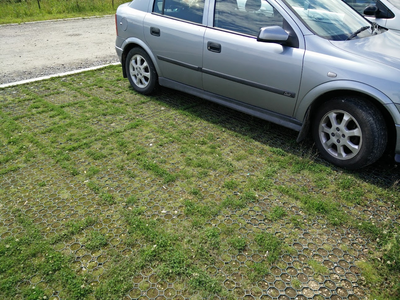
We’re big fans of gravel grids. They help to keep your gravel contained on the drive, so most of it should stay below the top of the grids while you get on with removing snow.
-
Use rock salt to melt the snow, stop ice from forming, and minimise the need for shovelling and scraping. Gravel grids will prevent the salt from turning to mud.
-
Consider using a salt or grit spreader to speed things along and avoid spreading by hand. The grids provide traction for the wheels.
-
You don’t want to catch the grids with a tool, so use the back of a rake, a plastic shovel, or even a squeegee to remove snow.
-
Avoid using chemical de-icers - these can scratch and damage the gravel.
-
Pro tip: get your gravel in good order before the winter. Make sure all gravel is below the grid surface, and check for any existing damage.

What is a gravel grid?
We’ve mentioned gravel grids a lot in this post, but what exactly do we mean by this term? Gravel grids are permeable ground reinforcement systems, usually made from plastic, that sit underneath gravel (or grass) areas.
They provide structural support as well as keeping gravel contained and preventing rutting, making the area safer and easier to maintain. Drainage is environmentally friendly as water passes cleanly through the whole area (whereas traditional surface dressings cause it to run off and into drains).
The advantage of a grid is that most of the gravel stays put even when you’re scraping snow, while the natural drainage also helps to reduce pockets of ice caused by melting and refreezing.
Final thoughts
We’ve shown you how to remove snow from a gravel driveway, using preparation, patience, and the right tools. But if you want to save yourself some hard work, consider choosing a permeable paving product such as a gravel grid.
Need some help choosing the right gravel grid or snow removal tools from our comprehensive range? Give our friendly team a call.
- Author

You might like:
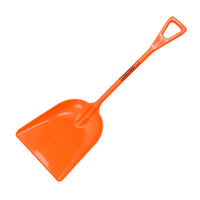
Carters One Piece Poly Grain, Grit & Snow Shovel
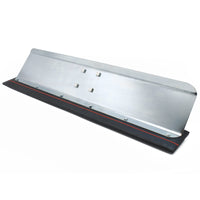
Dub'l-lif Red Stripe Heavy Duty Snow And Ice Scraper

Hillbrush Heavy Duty Snow Shovel - 400mm - Orange
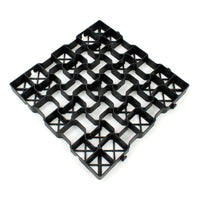
GeoGrid Standard HoneyComb Plastic Pavers Gravel Grids - 495mm x 495mm x 40mm
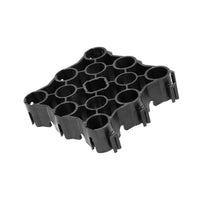
EcoGrid E80 Ultra-Heavy Duty Ground Reinforcement Grid System - 330mm x 330mm x 80mm (8mm thick)
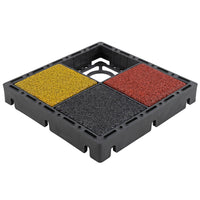
EcoGrid Bloxx Paving System | Rubber Inserts