+44 (0)1905 794875
 Wholesale Prices

Work Gloves: Protect Your Hands From Hazards
According to the HSE, 14,240 UK workers suffered injuries to their hands, fingers/thumbs, or wrists in 2024/25 - and those are only the ones reported to RIDDOR (Reporting of Injuries, Diseases and Dangerous Occurrences Regulations).
You can avoid being part of these statistics by wearing work gloves to protect your hands against workplace hazards.
In this article, we’ll explore the different types of work gloves and the safety standards you need to know about. Feel free to skip to lower sections using the links below.
Why are work gloves important?
Special features of work gloves
Ratings and markings on work gloves
Why are work gloves important?
Work gloves protect your hands from injuries like cuts and burns when handling sharp materials or strong chemicals, and they keep your hands warm and dry when working in freezing temperatures or wet conditions. They’re also important for hygiene on dirty jobs.
Wearing work gloves is essential in many roles, but it’s equally important to wear the right work gloves. It’s not just the safety aspect - if the gloves are uncomfortable or offer poor dexterity, workers will find it hard to perform their job properly and may even avoid wearing gloves.
Special features of work gloves
The work you do will always dictate the type of glove you should wear, but we’ve put together a quick guide to some of the features and properties you may want to look for. There is some crossover between some of these factors - for instance, cut-resistant gloves may also be waterproof.
Abrasion resistance

Gloves with this property are resistant to scuffing or wear, which is important in roles like handling boxes, working with building materials, or general work with tools. Abrasion resistance prevents your hands from becoming sore (in comparison to not wearing gloves). This feature is often associated with dry-handling gloves, commonly used for picking and packing, bricklaying, and product assembly.
Tear resistance
This is what stops the glove from ripping and exposing your skin if it gets snagged on something. Applications that require tear resistance include general handling, gardening, and in fact almost every other application. Tear resistance is measured on a scale, and it’s important to make sure that the tear resistance of your chosen glove meets your needs.
Cut resistance
Cut-resistant gloves do what they say on the tin - they prevent sharp items or materials from cutting or puncturing your hands. This is an essential feature when you’re handling materials like glass, sheet steel, or razor wire. Be aware that not all cut-resistant gloves are equal; there are different grades for different jobs. You can also buy gloveliners and sleeves for extra protection.
Thermal insulation

Thermally insulated gloves protect your hands against extreme temperatures. They are usually associated with cold conditions, but there are also heat-resistant versions. These gloves are made from thermal materials and insulation layers to keep your hands safe and comfortable, whether you’re working in a refrigerated area or handling hot materials for fabrication.
Water resistance
If you’re working in a wet environment, non-waterproof gloves will quickly become unpleasant to wear. Waterproof gloves are designed for these conditions, not just outdoors but also when handling components that have recently been washed or subjected to a treatment that wets them. Many of our waterproof gloves are also suitable for use with oils. Example uses include manufacturing, machine assembly and maintenance, and general outdoor handling.
Chemical resistance

Chemical-resistant gloves provide protection when working with toxic substances that could cause skin irritation and burns. There are chemicals that can dissolve skin and even bone, so it’s essential to keep these off your hands. These gloves come in various grades for different jobs, but common applications include acid etching, swimming pool maintenance, industrial material processing, laboratory work, and agriculture.
Other features:
Impact resistance: Protect against hazards such as blunt force trauma or impacts from objects.
Extreme protection: Heavy-duty gloves will guard against catastrophic injury from tools like chainsaws.
Food-rated: If you wear thermal or waterproof gloves to handle food - for instance, in a refrigerated environment - they must be certified as food-safe.
Touchscreen compatibility: Most jobs involve using a screen at some point, so the ability to do so without removing your gloves is a must.
Disposability: Single-use gloves are handy for jobs like painting and decorating or healthcare. Powder-free and latex-free versions are available.
Ratings and markings on work gloves
When you’re deciding which type of work gloves to buy, you’ll see various markings on them. These show that the gloves have been tested to comply with safety standards.

Mechanical handling
EN 388 covers mechanical handling, measuring how work gloves perform in terms of abrasion, cut, tear, puncture, and impact. The most recent version is EN 388:2016+A1:2018, which incorporates the TDM cut test (ISO 13997). It’s used in conjunction with the general EN420 standard for protective gloves.
Gloves tested under this standard will display the EN 388 pictogram along with numbers and letters denoting each hazard, in this order:
Abrasion resistance (rated 1 – 4): Can the glove withstand friction and wear from rough surfaces? A higher rating means a high-endurance glove.
Cut resistance: coupe test (rated 1 – 5 or X): The coupe test uses a rotating blade to check how many cycles it takes to cut through the glove. High-performance materials can dull the blade, meaning the glove will be rated X (an X also appears if this test is not carried out).
Tear resistance (rated 1 – 4): How much force is required to tear the glove?
Puncture resistance (rated 1 – 4): Tests how well the glove resists punctures from sharp pointed objects.
Cut resistance: TDM test: This test measures cut resistance using a straight blade, and is rated from A (lowest resistance) to F (highest).
Impact protection: How well does the glove protect against impacts or blunt force? This optional test comes under EN 13594:2015, and the glove is rated P if it passes.

Heat and cold resistance
The EN 407 standard covers heat resistance for thermal gloves, including flames, contact heat, convective heat, radiant heat, and molten metal splashes. They are rated on performance from 1-4.
There are two different pictograms for EN 407:2020, the flame symbol for flame-resistant gloves and the 3 lines symbol for non-flame-resistant versions.
For cold resistance, thermal gloves are rated for convective cold (A), contact cold (B), and water permeability (C) under EN 511.
Chemical resistance
Under EN ISO 374-1:2016+A1:2018, chem-resistant gloves are tested against various chemicals for degradation, penetration, and permeation, and classified as A, B, or C.
The same standard tests gloves for protection against microorganisms. If a glove offers protection against viruses, you’ll see the word “virus” under the pictogram.
There are also specific glove ratings for handling pesticides: GR (partial protection) G1 (low risk). and G2 (high risk).
Other standards
EN 10819 covers the gloves’ effectiveness in reducing vibration and shock.
Gloves that comply with EN381-7 will protect against chainsaw injuries.
Food-safe work gloves must comply with EN 1186 and usually feature a glass/fork symbol.
What size glove do I need?
Each glove brand has a slightly different fitment. You can see measurement details for all the gloves in our range on the individual product pages, but these instructions offer a general rule.
Measure the circumference around your palm, then measure the length of your hand as shown in the diagram. Check the table to see which glove sizes these measurements correspond to, and choose whichever one is the largest.
Disposable gloves tend to be more forgiving when it comes to size.

Final thoughts
Wearing the right work gloves for the job is crucial for your safety - and you’ll also want to ensure that they provide maximum comfort and dexterity.
Not sure which work gloves are right for you? Get in touch with our friendly sales team for more advice.
Common glove questions
What materials are work gloves made from?
Our gloves are made from a wide range of materials, from synthetic leather palms to latex, silicon, and even genuine leather. The individual product data sheets will inform you of the full list of materials used in each glove.
Can I wash my new gloves?
Each glove is different, but some brands and styles are washable. Most products from ATG can currently be washed, but you need to follow the guidelines carefully from style to style to make sure you use suitable temperatures and detergents.
Is it a legal requirement to provide work gloves?
Under the Personal Protective Equipment at Work Regulations 1992, employers have a duty to provide suitable PPE to anyone who may be exposed to health and safety risks, as identified by a risk assessment (unless the risks can be managed by other means). This includes work gloves.
- Author
Related articles


You might like:
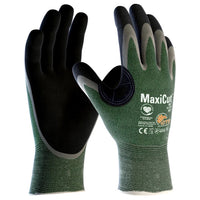
ATG MaxiCut Oil Gloves 34-304 Cut Resistant Oil & Water Repellent

ATG MaxiDry Zero Gloves 56-451 Thermal Wet Handling Gloves
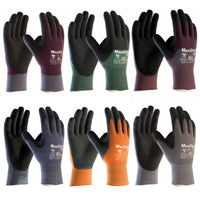
ATG® Glove Starter Pack - All Purpose Work Gloves | 6 Pairs
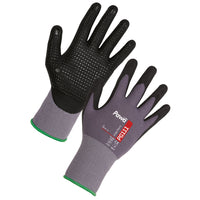
Pawa PG111 Grey/Black Nitrile Coated Dry Handling Gloves with Dot Grip

Supertouch Nitrotouch® Red/Black Nylon/Nitrile Dry Handling Gloves
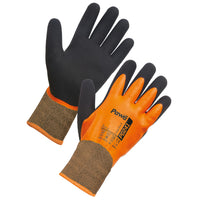
Supertouch Pawa PG241 Waterproof Thermal Gloves

Orange Gripper Gloves Heavy Duty High Traction Gloves
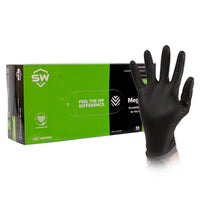
SW MegaMan Gloves Heavy Duty Powder Free Nitrile Gloves (25 Pair Pack)
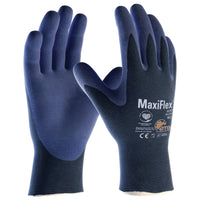
ATG MaxiFlex Elite Gloves 42-274 Palm Coated Knitwrist Pair