
 +44 (0)1905 794875
 Wholesale Prices

Installing Ground Protection Mats: Common Mistakes And How To Avoid Them
Holding an outdoor event or setting up a construction site? A ground protection mat will prevent ground damage and provide a more stable surface. But are they easy to install?
In this article, we’ll explore the dos and don’ts of installing ground protection mats, and the benefits when you get it right. If you already know the basics, feel free to skip ahead!
What are ground protection mats?
Benefits of ground protection matting
How to install mats for ground protection
Common mistakes when installing ground protection mats
What are ground protection mats?
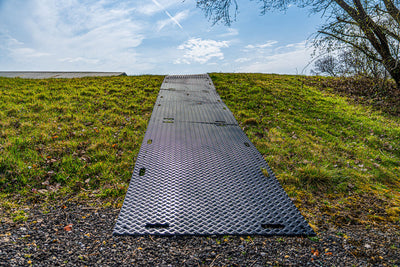
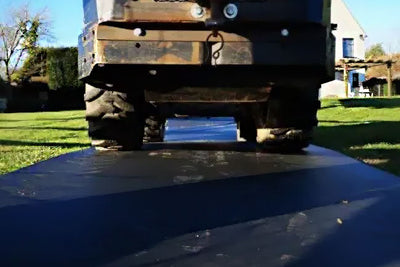
Ground protection mats are portable panels designed to protect surfaces like grass, turf, and soil against damage from vehicles or foot traffic. Made from durable materials such as HDPE and PVC, they provide a stable surface even on boggy ground.
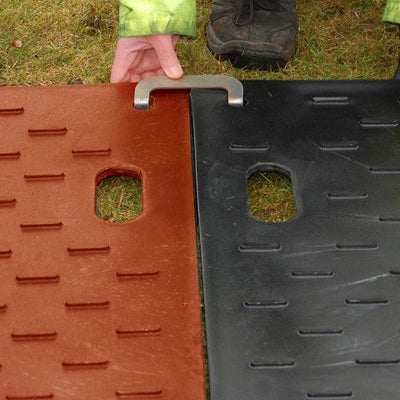
These mats are available in various grades to suit different loads, and it’s easy to join several mats together with interlocking couplers.

Benefits of ground protection matting
If you install it correctly, here’s what you can expect from a ground protection mat.
-
Damage prevention: These mats are ideal for areas with high volumes of pedestrian or vehicular traffic, especially on soft ground or during wet weather. They help to prevent grass from being destroyed.
-
Improved safety: By providing a stable surface, this matting reduces the risk of trips and falls. The mats are anti-slip and designed to help vehicles maintain traction across uneven terrain.
-
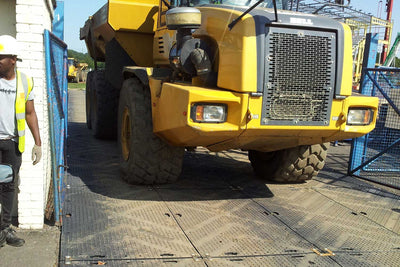
Versatility: Ground protection mats have multiple applications, including temporary walkways, access roads, and overflow parking. Use them at large events such as festivals, or to protect the ground from heavy machinery during construction work.
-
Cost-effectiveness: Most of the mats are reusable, especially the heavy-duty ground protection mats, so you get a good return on your investment.
How to install mats for ground protection
These are the basic steps for installing ground protection mats. We recommend that you check the manufacturer’s instructions for detailed guidance.
-
Prepare the area where you want to lay the mats by clearing away any debris such as stones or branches.
-
Lay the mats in place and ensure they’re aligned neatly, with no large gaps or overlaps.
-
Join the matting together securely using interlocking connectors.
-
Check that the mats are secure and stable by walking or driving on the surface and making sure they don’t shift around.
-
Prolong the life of your mats by cleaning them after use and storing them flat (or vertically with support) to avoid bending. Keep them in a cool, dry place, out of direct sunlight.
Common mistakes when installing ground protection mats
Installing ground protection matting is pretty simple, but there are several pitfalls to watch out for. Here are some common mistakes - plus tips on how to avoid them.
Using the wrong type of mat
You’ll run into problems if your mat is:
-
The wrong load rating - for example, if the mat is too lightweight to support heavier traffic, it won’t protect the ground properly.
-
Too flexible for the substrate - some mats are designed to bridge voids and others are not. If you attempt to cover voids with the wrong sort of mat, it may punch through or crack.
-
Too rigid for the topography of the land - a rigid mat won’t fit to the contours of an uneven surface.
-
Not buoyant enough - some mats will sink into a waterlogged surface, while others will float.
Solution: Before choosing a ground protection mat, think carefully about what you intend to use it for. Consider the weight of vehicles or equipment, the amount of likely foot traffic, the site surface, and the weather conditions.
Not allowing for thermal expansion
If you install matting in direct sunlight, or take mats from one extreme temperature to another, they can experience thermal expansion and contraction. Fastening them tightly without waiting for maximum expansion will cause warping and “bowing”, and the mats won’t lie flat.
Solution: Give the mats time to acclimatise to the conditions. Lay them out and secure them loosely in place, leaving small gaps to allow for expansion, and wait until they have expanded fully before tightening the fixings. Your manufacturer may provide specific guidelines.
Not using a membrane
If you place your mats directly on the ground in a very wet environment, you can end up with muddy water “jetting” up through any gaps whenever the weight of vehicles or pedestrians presses down on the mats.
Solution: Lay a geotextile membrane underneath the mats. Although this fabric is permeable for drainage purposes, it won’t allow larger quantities of water to come to the surface. It also stops weeds growing through gaps on long-term installations.

Choosing the wrong tread pattern
Matting with a coarse tread pattern on the underside isn’t suitable for use by heavy vehicles, as they will cause indentations and even permanent damage to the ground. Pedestrians can also trip on coarse tread patterns.
Solution: If heavy vehicles will use the matting, it’s better to go for a "one-sided" mat. Always use a pedestrian-specific mat for pedestrian walkways.
Not interlocking the mats
If you don’t connect your ground surface protection mats securely, they will start to slide apart under traffic. They won’t be able to spread the load evenly, which can cause damage to the ground as well as danger to drivers and pedestrians.
Solution: Use high-quality interlocking connectors that are compatible with your mat, and spend time checking they’re secure. Always install according to the manufacturer’s guidelines.

Not running a wide enough track
A track or roadway that’s too narrow runs the risk of wider vehicles driving off the edge, where the wheels will churn up the surface.
Solution: However wide you think the track should be, make it a little wider. This allows for passing points, and gives you leeway for if a larger vehicle arrives or if a driver veers off course.
Using vehicles with insufficient ground clearance
Vehicles with a very low ground clearance, such as indoor spec forklifts, can snag or catch on the mats if they peak up in any specific position, causing damage.
Solution: This shouldn’t be a problem if you use the mats in cooler environments, placed over concrete or a similar surface. However, you should always check before driving a low vehicle over the matting. If a vehicle does snag, stop and assess what has happened. Stop using that vehicle on the mats and opt for something with a larger ground clearance if necessary.
Burning the grass
If you place dark-coloured ground protection mats over grass in a hot environment, this can cause the mat to heat up - enough to actually burn the grass.
Solution: Heat is not so much of an issue in the UK (unless we have a heatwave), but certainly can be in hotter climates. Use lighter-coloured mats in the heat, and avoid leaving them in place for long periods. Lay them shortly before you need them, if possible.
Alternative solutions
If you want to reinforce the ground surface instead of covering it with matting, you might consider one of these alternatives.
Grass mesh
One option is to use sheets of plastic mesh to reinforce an existing grassed area. It’s often used as a temporary solution, although you can leave it in place permanently and the grass will grow through it.
Cellular paving
Cellular paving systems are made up of interlocking plastic grids, which you can fill with either grass, gravel, or porous blocks. Installed below the surface, they provide support for varying loads without compacting the soil - while enabling sustainable drainage.
Final thoughts
Ground protection mats are a convenient way to keep surfaces safe and damage-free. It’s important to install them in the correct way and choose the right type for your circumstances - give our friendly sales team a call and benefit from their expertise.
- Author
Related articles

You might like:
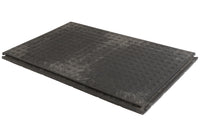
Blue Diamond GroundTuff Ground Protection Mat (20t) - 1200 x 800 x 22mm
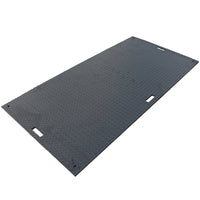
EconoMat Plus Medium Duty 30t Mat
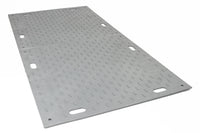
EnduraMat Plastic Ground Mat
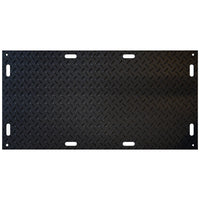
Blue Diamond GroundTuff PRO Ground Protection Mat (60t) - 2400 x 1200 x 17.5mm
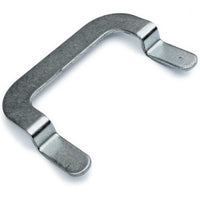
Coupler Links for Enduramat & Euromat
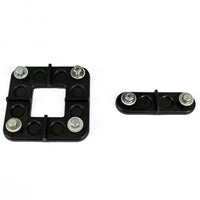
EuroMat 2-Way or 4-way Couplers

