+44 (0)1905 794875
 Wholesale Prices

When Do Traffic Cones Need Replacing?
Traffic cones do an essential job, but they have a hard life - they're outside in all weathers and can even get hit or driven over by vehicles. Over time, they will inevitably become worn or damaged. But how do you know when it's time to replace a traffic cone?
In this post, we'll find out what kind of damage traffic cones can sustain, and how to tell when they need refurbishing or replacing completely.
Why do traffic cones wear out?
Traffic cones can be worn out or become unusable due to a few reasons. These include:
-
Spatter from tarmac or bitumen: This prevents the reflective elements of the cone from working as they should. It means you can't see the cone properly on dark nights, while the coloured section of the cone won't stand out during daylight hours as well as it should.
-
Torn sleeving: Much like the above, where contamination prevents the sleeving from working properly, a torn sleeve means that areas of the cone are no longer reflective. This makes it impossible to pick out the cone visually on dark or overcast days.
-
Deformed or damaged: Should the cone be run over repeatedly, it can be deformed to the point that it no longer stands properly or is unstable. It may even lean into the carriageway.
-
Environmental degradation: As cones spend a lot of their life outside, they can be degraded by the sun and covered in salt and many other contaminants - all of which can harm the visual performance of the cone.
Damage to traffic cones can also be a self-perpetuating issue, as a damaged cone is less visible and is therefore more likely to be hit by a vehicle. With this in mind, a cone that requires a wash can quickly turn into one that requires replacement if you don't take action promptly.

When should you replace a traffic cone?
It is essential that your cones meet the requirements outlined in Chapter 8, Manual (Part 2, page 206), if you intend to use them on public roads. There's a scale of acceptability for the state of traffic cones, as some slightly worn cones are still OK to use.
1. “Acceptable”
In this state, the cone is still acceptable for ongoing use. The reflective section has no spatter from asphalt or other material, and there are no punctures or tears in the sleeve, although there may be some minor surface scuffs and scratches.

2. “Marginal”
This cone has spatter from materials such as asphalt, bitumen, and cement. The cone is discoloured, as is the sleeve, and it shows some tears and scratches, but none of these are major.

3. “Unacceptable”
This cone has large sections of retroreflective material torn away and missing. The remaining sleeve and cone body have large areas of discolouration due to spatter from asphalt and bitumen. When a cone is classified as unacceptable, you must stop using it.

To see why these cones are classified as above, please see the full documentation found here: Chapter 8 (part 2 page 206). It is your responsibility to ensure that your cones meet the guidelines set out by the Highways Agency.
How can you get your cones back on the road?
If your cones are damaged and do not meet the specifications outlined in the Chapter 8 guidelines, you must take action to bring them into compliance.
Wash your traffic cones
If your traffic cones lose their reflectivity and colouration due to road grime, this is easily resolved by washing them with a detergent. Due to the nature of the contamination, a standard car wash solution with a traffic film remover element will often suffice. This is the most cost-effective and straightforward way to refresh traffic cone stock.
Refurbish your traffic cones
The next step to getting your cones back on the road is to refurbish any that can be easily repaired. The most common way to do this is to replace the traffic cone sleeve. This can also be very cost-effective and prevent the cone from being discarded.
To replace a traffic cone sleeve, follow these steps:
- Remove as much of the old sleeve as possible.
- Clean the area with a solvent or soapy water and allow it to dry.
- Spray the area covered by the sleeve with spray adhesive (you can buy this in our store).
- Drop the appropriately-sized cone sleeve over and firmly press it into place all around.
This should leave you with a new-looking traffic cone. As long as the body of the cone is in relatively good order, you should expect the cone to last just as long as when it was new.
What if cones are beyond refurbishment?
Recycle your cones
If your cones are beyond use due to damage to the cone structure, then you should be able to recycle them. Almost all the cones we sell are 100% recyclable, and many of the manufacturers we work with are always keen to take unwanted cones back to be remade into new items.
Buy replacement traffic cones
If you have recycled your old cones or simply need additional cones to expand your stock, we offer a full range of traffic cones featuring all the major brands and models. Can't see what you're looking for? Our friendly sales team is here to help ensure you get what you need. You can reach out to them through our contact page.
Final thoughts
It's essential that your traffic cones are fit for purpose, which means that they are fully visible and able to stand upright. If your cones are looking past their best, check the Chapter 8 guidelines to find out if their status is acceptable, marginal, or unacceptable. If it's the latter, you can either refurbish, recycle, or replace the cone.
- Author

You might like:
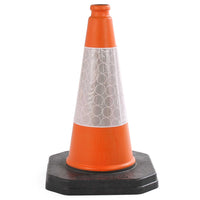
Melba 46 One Piece Traffic Cone 460mm
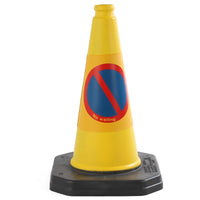
Melba 46 One Piece Round No Waiting Cone
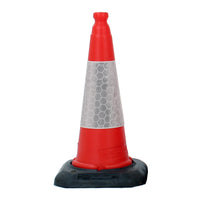
Orange Dominator Traffic Cones 500mm JSP Road Cone
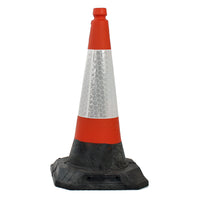
JSP RoadHog One Piece Traffic Cones 750mm
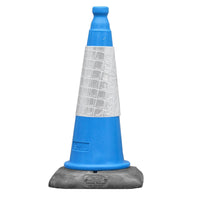
Blue Dominator Traffic Cones 500mm JSP Road Cone
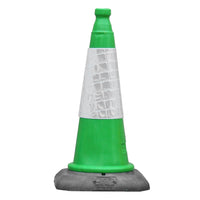
Green Dominator Traffic Cones 500mm JSP Road Cone
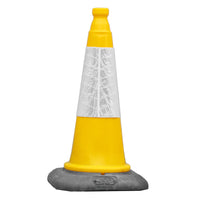
Yellow Dominator Traffic Cones 500mm JSP Road Cone
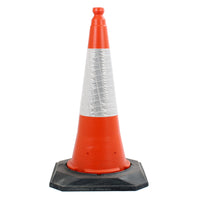
JSP Navigator Traffic Cone - 2 Part - 750mm | JBH069-240-600

Melba Starlite Two-Part Orange Traffic Cone - 750mm
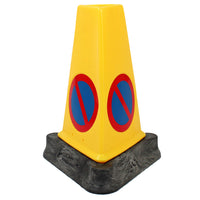
JSP No Waiting Cone MK5 - Triangular | JBN081-140-200
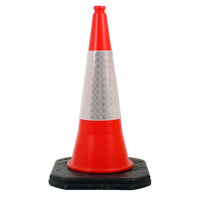
MasterCone Road Legal 750mm Traffic Cone from Melba Swintex