+44 (0)1905 794875
 Wholesale Prices

How Often Should PPE Be Inspected?
Personal Protective Equipment (PPE) plays a crucial role in protecting workers from workplace hazards, but it only does its job when it is properly maintained. Regular inspections help ensure PPE remains safe, effective and fully compliant with UK health and safety law.
Whether you operate on a site or in warehousing, mining, healthcare or any other high-risk industry, understanding inspection frequencies is essential for keeping your workforce safe and avoiding regulatory breaches.
In 2024, the Health & Safety Executive (HSE) estimated that more than 33.7 million days of work were lost due to workplace injuries, the equivalent of more than 15 days per person. And in 2023, there were more than 2,000 deaths related to past exposure to asbestos.

Why do PPE inspections matter?
As you would expect, PPE deteriorates over time due to daily wear and tear, exposure to chemicals, UV light, temperature changes and simple ageing of materials. Damaged PPE can create a false sense of security and lead to serious incidents and potentially life-long health conditions.
Under the PPE at Work Regulations 1992 and supported by Regulation 7 of the Personal Protective Equipment at Work Regulations 2022, UK employers must ensure PPE is:
- Suitable for the task
- Maintained in an efficient state
- Clean and hygienic
- Repaired or replaced when necessary
- Inspected at suitable intervals
- Regular checks form a core part of this legal duty.
How often should PPE be inspected?
As a general rule, we recommend that all PPE be inspected before each use - this is just good practice to maintain the safety of staff.
However, official inspection frequency depends on the type of PPE, manufacturer guidance and the environment in which it is used. However, standard industry practice in the UK follows three levels of inspection.
Pre-use checks (every time PPE is used)
Workers must carry out a quick visual and functional check before each use. This is the most important layer of defence, as it identifies obvious issues immediately.
Pre-use checks look for:
- Cracks, dents, tears or fraying.
- Loose fastenings or missing components.
- Signs of chemical damage or contamination.
- Degradation from sunlight or heat.
- Wear in straps, stitching or seals.
- Deteriorated padding or insulation.
If anything seems wrong, the PPE must be removed from service immediately.
Formal inspections (typically weekly or monthly)
UK guidance recommends that PPE be subject to regular formal inspections by a competent person - someone who understands the equipment, how it works and common failure points. This should NOT be the individual using the PPE unless they have been trained to fully understand the equipment.
These inspections should be documented and should also follow a clear checklist. Equipment that could be checked and tested during these inspections could be:
- Safety harnesses and fall protection equipment: (more frequently in harsh or outdoor environments) and in line with manufacturer recommendations.
- Respiratory protective equipment (RPE): plus face-fit checks as required, carried out by a competent person using an approved kit.
- Safety helmets: in line with manufacturer recommendations.
- Safety gloves and footwear: based on usage conditions and in line with manufacturer guidance.
- Hearing protection: check seal integrity and cleanliness and in line with manufacturer guidance.
These intervals are just a guide and should be more frequent if the equipment is used heavily or in extreme conditions.
Learn more about dust masks and their ratings in our guide.
Thorough periodic examinations (every 6 to 12 months)
Some PPE, particularly complex or high-risk equipment, requires a more detailed examination at least once or twice a year.
These inspections should be carried out by a qualified specialist and may include:
- Strip-downs or internal checks
- Component tests
- Pressure checks (e.g. for breathing apparatus)
- Full audit trails and compliance verification
Fall protection equipment and RPE are the most likely to fall into this category, but other PPE types may require annual examinations depending on manufacturer guidance.
Follow manufacturer instructions
Every PPE item comes with specific inspection intervals that have been recommended by the manufacturer. These always override generic timelines.
Examples of this include (this is not an exhaustive list):
- Safety helmets with a defined shelf life
- RPE with specific filter replacement schedules
- Cut-resistant gloves designed for a set number of wash cycles
Employers must keep instruction manuals accessible for staff, and ensure inspectors are trained on these requirements.

General rules of thumb
There are certain ‘rules’ employers should follow to make sure they are keeping themselves and their staff safe, and compliant. These include, but aren’t limited to:
- Harnesses and lanyards should be thrown out after any fall. Even if they look fine, the inside may be damaged and you won’t know until it fails.
- Shock absorbers and connectors. The same applies here, once they’ve taken any load in a fall, they’re done and should be disposed of correctly.
Helmets too should be disposed of if they have been dropped from a height – or had any impact. Hidden cracks or weakened plastic can turn a ‘good’ helmet into a useless one.
Avoid writing on any equipment with marker pens or covering them in stickers. The solvents and adhesives can react with the products and weaken them, even if you can’t see it happening.
It all comes down to treating your PPE with a bit of respect - it’s there to protect you, so once it’s compromised, it’s better to replace it than take the risk.
Record-keeping requirements
In the UK, employers must keep clear records of all PPE inspections, including:
- Date of inspection
- Name of the competent person
- Identified defects
- Actions taken (repair, replace, clean)
- Serial numbers or item identifiers
These logs demonstrate your compliance and support investigations if an incident occurs. It is always better to be overly thorough and provide more information than is needed than to provide too little.
When should PPE be replaced?
PPE should be withdrawn from use immediately if:
- It shows signs of damage
- Components are missing or loose
- It no longer fits correctly
- It has exceeded its manufacturer’s lifespan
- It cannot be safely cleaned or decontaminated.
PPE must never be repaired unofficially, modified without permission or used beyond its serviceable life. If in doubt, check with the manufacturer.
Final thoughts from us
Regular PPE inspections aren’t just a good practice - they’re a legal requirement under UK health and safety law. By combining pre-use checks, routine formal inspections and specialist examinations, employers can protect their workforce, maintain compliance and significantly reduce accident risk.
Want to discuss your PPE needs? Get in touch with the team at Start Safety who will be able to assist you.
- Author


You might like:
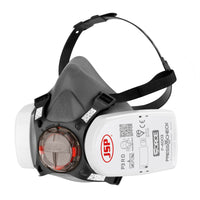
JSP Force8 Half Mask Medium P3 | Includes PressToCheck - F-4003 Filters | BHT0A3-0L5-N00
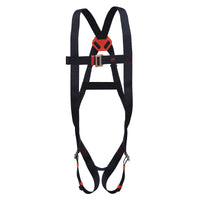
JSP Spartan 1-point Harness | FAR0301
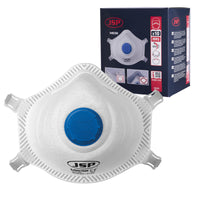
JSP Disposable Moulded Face Mask FFP3 With Valve (M632) 10 Pack | BGZ130-000-A00

JSP EVO Alta Baseworker Wheel Ratchet Safety Helmet

ATG MaxiTherm Gloves 30-201 Thermal Palm Coated Knitwrist Pair
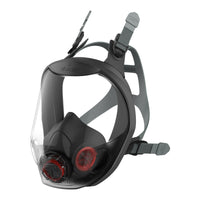
JSP Force10 Typhoon Full Face Mask | Range Of Sizes

JSP Sonis 3 Helmet Mounted Ear Defenders Dark Grey/ Red -SNR 36 | AEB042-1C1-A00
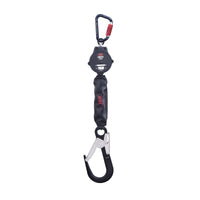
JSP 2m Lightweight Retractable Fall Limiter Inc Scaffold Hook | FAR0731