+44 (0)1905 794875
 Wholesale Prices

Hiring vs Owning Chapter 8 Barriers
Chapter 8 barriers are essential for cordoning off road repairs or construction work. But is it better to hire them for each job or buy them outright?
In this article, we’ll cover both sides of the debate on hiring vs owning Chapter 8 barriers to help you decide what’s best for your business.
What are Chapter 8 barriers?
Chapter 8 barriers are temporary barrier systems for road works and street works. They are designed specifically to comply with Chapter 8 of the Traffic Signs Manual, produced by the Department for Transport as practical guidance for contractors on the UK road network.
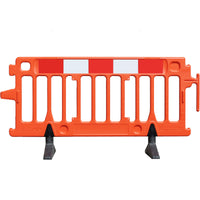
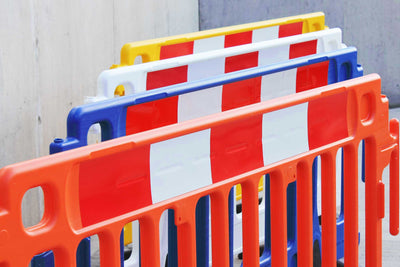
The barriers keep pedestrians away from work sites, protect workers from vehicles, and guide vehicles past roadworks. They come in a range of sizes and colours, often with a red-and-white reflective strip to boost visibility. Other safety features include interlocking slots and anti-trip feet.

Who uses Chapter 8 barriers?
Highways contractors often deploy Chapter 8 barriers on behalf of local authorities when carrying out planned and emergency road maintenance. Utility companies, civil engineers, and construction firms also use them to cordon off areas where infrastructure repairs or building work are taking place.
Event organisers may also need barriers to close off part of a public road. But even if you’re holding an event or carrying out construction work on private land, it still makes sense to use Chapter 8 barriers as they’re durable and safe.
Hiring vs owning Chapter 8 barriers
Let’s get into the pros and cons of hiring or buying your temporary barriers.
Pros of hiring
If you only need Chapter 8 barriers for a one-off job or a short-term project, it can make more sense to hire them. Not every business has adequate storage facilities, and hiring means you don’t have to worry about where to keep the barriers.
Whether it’s your own company or you’re a contractor carrying out work on behalf of a local council, you’ll have a budget to stick to - and it can be easier to find the money for occasional hiring than to buy barriers outright. You may also be able to write the hire cost off as an expense (check with your accountant).

Cons of hiring
The downside is that hiring costs are usually higher in the long term, because you have to pay the rental fee and the delivery/collection fee every time. These costs will likely rise over time due to inflation.
You’ll have to pay extra if a project overruns, or if you return the barriers late. Cleaning fees may also apply, plus fines for any damage incurred while the barriers were in your possession.
Hiring isn’t ideal if you need barriers in a hurry, as they may have long lead times or lack of availability in periods of high demand. And you don’t know what condition they’ll be in (although the hire company should check compliance).
Pros of owning
If you buy Chapter 8 barriers upfront, you’ll have one single cost instead of ongoing payments. This should be more cost-effective in the long term, as you’ll keep using the purchased set of barriers.
Purchased barriers also count as an asset to your business. This is because they hold resale value and can be written down as a capital cost instead of the ongoing expense of hire fees (always check with your accountant).
By owning your barriers, you’ll know that they’re always on hand when you need them - no scrambling to find a rental firm with availability. And you can make sure they’re cleaned and stored correctly, with complete control over their condition.

Cons of owning
You need to have enough funds to purchase a set of barriers from the start, which can be difficult for small or new businesses. And you might get stuck with them if your plans or the nature of your projects changes.
Owned barriers need a suitable storage space, and you also have to factor in the vehicle space and equipment required to transport them from job to job.
Cleaning, maintenance, and checking compliance is entirely your responsibility, involving regular inspections for defects like cracks and missing clips or reflectors.
Although purchased barriers are an asset, they will depreciate gradually over time due to general wear and tear (however, damaged reflectors or feet are generally easily serviced).

Alternative options
It doesn’t always have to be a straight choice between constantly hiring barriers or buying new.
Another option is to invest in a core set of “everyday” barriers for most jobs, and supplement this with hired barriers for large or out-of-the-ordinary projects. This saves you having to find storage for barriers you’ll rarely use.
Buying second-hand or ex-hire barriers can be a cheaper option than either buying new or hiring - but this carries the risk of ending up with worn-out stock. Then you’d still have to fork out for new barriers sooner rather than later.
Other considerations
Here are some other factors to take into account before making a decision:
Compatibility
If you decide to buy Chapter 8 barriers, you can ensure they’re all from one brand. Hired barriers may be a mixed bag, and they won’t necessarily all play nice together in terms of interlocking and stability.
Cost of theft
In the unfortunate event of your rented barriers being stolen, you’ll have to pay a fee - which may well be the equivalent to the price of a new barrier! (could do with finding a source for this). But if your own barriers are stolen, you’ll lose an asset.
Top tip: Make sure you have your branding put on any barriers you own. Then if they’re stolen, they’ll be identifiable, harder to re-sell, and easier to recover.
Accountability
When the barriers are yours, it’s up to you to take care of their maintenance, whereas when you hire them it’s someone else’s problem. But either way, you’ll still be held accountable for making sure your site is compliant.

What should I do - hire or buy?
The decision basically comes down to your cash flow situation, your storage capacity, and how often you use Chapter 8 barriers. In a nutshell:
Hire if:
- You don’t want to pay up front
- You only use barriers occasionally
- You don’t have space for storage
Buy if:
- You have funds at the ready
- You use barriers frequently
- You have sufficient storage.
If you choose the ownership route, you’ll find a wide selection of barriers to buy at Start Safety. Shop online or give our friendly sales team a call with any further questions!
- Author

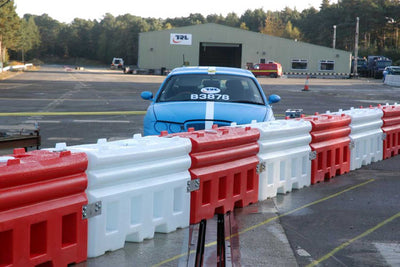

You might like:
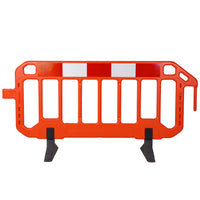
Firmus Professional Barrier - Chapter 8 Pedestrian Barrier - Standard Feet - Orange
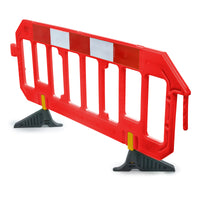
Melba Gate Barrier - Pedestrian Barrier - Chapter 8 Barrier - Orange
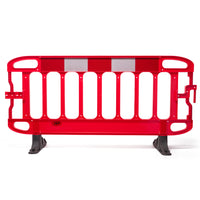
JSP Navigator PLUS Barrier
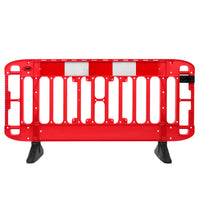
JSP Titan Safety Barrier - Red
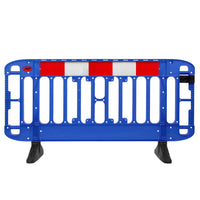
JSP Titan Safety Barrier - Blue
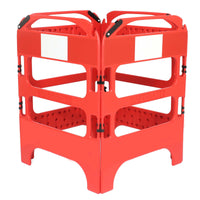
Safegate Barrier - Red or Yellow, 3 or 4 Gates
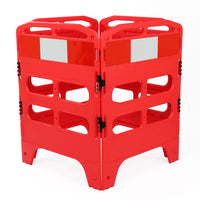
Utility Barrier - For Manholes 750mm or 1 metre width - Red
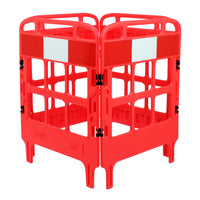
Portagate Barrier - Folding Manhole Barrier - JSP - Red
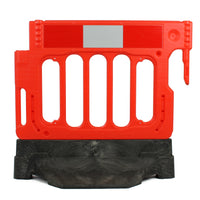
WonderWall Barrier - Pedestrian Separation System
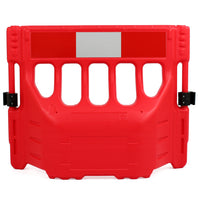
Buddha Barrier System - Stacking Water Filled Pedestrian Fence
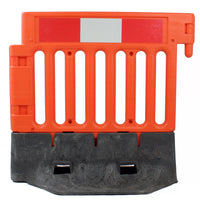
StrongWall Barrier - Construction Barrier - Oxford Plastics