
 +44 (0)1905 794875
 Wholesale Prices

Event Traffic Management And Control Plan: What To Include
Organising an event? Traffic management can sometimes get overlooked amid all the other aspects of planning. But without a proper plan, your event will descend into traffic chaos, putting safety at risk.
In this article, we will explain why an event traffic management and control plan is essential, and what you need to include.
Why is it important to have an event traffic plan?
By creating an event traffic management and control plan, you can be sure that you have properly considered all the traffic aspects of the event and that you’re prepared for all eventualities.
A solid plan helps to keep everything running smoothly, and keeps everyone safe before, during, and after the event. It should include contingency plans, so that if there’s a traffic-related problem, everyone knows what to do.
When you’re getting permission for a large event, such as for closing a road or placing signage on the highway, the local council and the police will want to know that you have a clear plan in place.
Important: Always get the necessary permissions in writing before you go ahead with hiring equipment, booking service providers, or advertising your event!

Who puts the plan together?
Usually, this will be the event organiser or a designated person responsible for traffic control within a larger events team.
An alternative option is to hire a professional traffic management firm. They will liaise with you to create a plan, advising on things like insurance, staff training, and gaining the right permissions to place signage on the public highway.
What goes into an event traffic management plan?
If you are making the plan yourself, here are the basics to include. (You can include more sections depending on the size and type of event.)
Note: For larger events involving public roads, there may be a legal requirement to draft a Traffic Management Plan (TMP) as well as an internal document.
Risk assessment
You’ll be carrying out an overall risk assessment for your event anyway, so identify the specific risks relating to traffic and include these in your plan. Cover things like narrow access points, blind spots, and areas where vehicles and pedestrians will mix (such as car parks and road crossings).
Don’t just think about what might happen on the day(s) of the event - for example, assess the risks to workers or marshals when vehicles are on site during setup and takedown.
If you’re taking out public liability insurance for the event, make sure the policy specifically covers traffic.

Traffic volume and access
Based on the size of the event, estimate the likely volumes of vehicles and pedestrians on the day (and during setup and takedown). How will this traffic access and move around your site?
You’ll need to ensure safe access for event attendees, as well as contractors, delivery drivers, stallholders, and entertainers. Can larger vehicles access the site easily, or will they need to arrive via a different route?
If you have a licence for your event (such as a premises licence or a temporary events notice), check that you can meet any conditions relating to vehicle access.
Road closures or diversions
If you want to close a public road for your event - for example, a food festival in the high street or a carnival parade through the town centre - you’ll need to request a Temporary Traffic Regulation Order (TTRO) from your local highway authority (usually the county or city council or unitary authority).
Use this tool to find the relevant authority for your area. It’s vital to get your request in early, as it often takes several weeks or even months to process the paperwork.
Even if you don’t need to close a road, you’ll still need to notify the authority about events that may affect the highway. For instance, Worcestershire County Council (WCC) wants to know about events likely to attract more than the usual traffic flow, so that they can oversee the route and give advice on diversions.
The council can also add details to Causeway One.Network, which highway authorities and contractors use to coordinate upcoming closures and roadworks. The map is viewable by the public, so it’s worth taking a look when you start to plan your event in case there’s already a road closure in place.

You should also inform the local police if the event will have a significant impact on public roads. Do this before telling the council, as they will liaise with the police anyway when considering your request.
Emergencies and contingencies
You’ll need to set up an agreed access route for emergency vehicles, which must be kept clear at all times. It’s a good idea to liaise with the police and local ambulance services for large-scale events.
Make sure you plan a contingency route to the event, just in case there are any traffic jams or unexpected closures affecting the surrounding roads on the day.
Scheduling
Put a schedule in place for deliveries and for contractors to arrive and leave, and keep these separate from public arrival times as far as possible.
For large events, avoid queues by staggering the times when public traffic can leave the site. For instance, split the parking area into several numbered sections and allow them to leave in sequence.
Physical measures
If the event traffic will impact surrounding roads, you’ll need temporary signage, including advance warning of the event dates, diversion signs, and road closure signs. Signage on a highway must be compliant with Chapter 8 of the Traffic Signs Manual (homemade signs aren’t allowed!)
Where can you put event signage? Check the rules with your local council (or ask private landowners if you want to place signs on their property). For example, WCC permits you to place temporary signs from the closest A or B road if there’s no permanent signage to your venue. The council will also consider allowing additional signage in some circumstances.
Be aware that if you place signage on a public highway without getting the necessary permissions, it will often be removed by the council - and they’ll charge you for doing so.

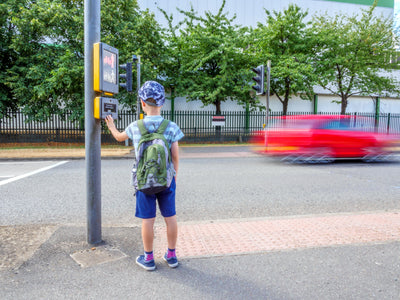
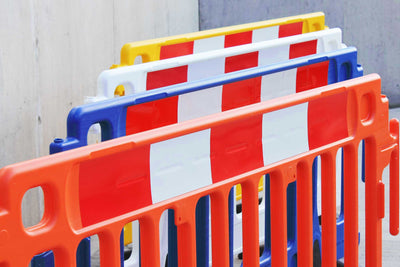
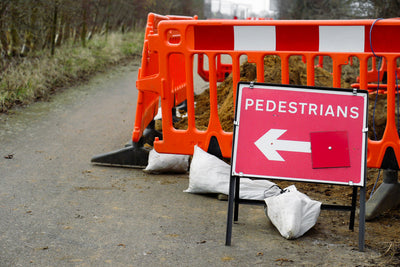
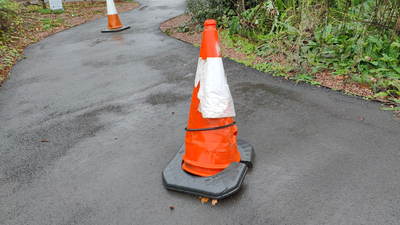
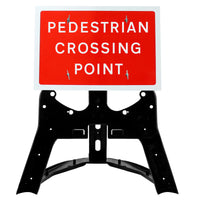
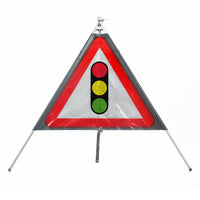
Cones, barriers, and fencing are also a great way to guide vehicles and separate them from pedestrians. If you’re closing a lane rather than the whole road, you’ll need temporary traffic lights or give-way systems, as well as clearly-marked pedestrian crossing points.
Make a plan for parking areas, with clear car park signage. Include accessible parking for disabled attendees. Depending on the type and scale of the event, you may also want separate parking areas for coaches or camper vans.
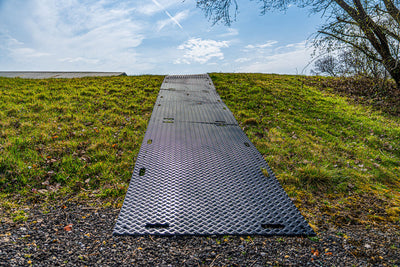
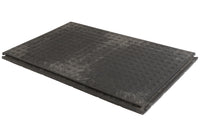
It’s worth considering ground protection mats for outdoor parking areas, especially if the conditions are likely to be wet and muddy. They’re also useful when bringing in heavy equipment, and for creating pedestrian walkways.
Decide where you will source these physical assets, and whether it’s better to buy or hire (this depends largely on whether you’re running a one-off event or holding them regularly).
Personnel and communication
For bigger events, you’ll need marshals or stewards trained in traffic control to help things run smoothly and safely. They should be familiar with the plan, and work closely with the event organiser or the team member with responsibility for traffic management.

Plan how your team will communicate on the day - how will you monitor traffic, and who will make the decisions if adjustments or contingencies are required? Radios, phones, or communication headsets will help to ensure efficient co-ordination.
Putting the plan into action
Here are some tips for using your event traffic management and control plan effectively.
Before the event
Brief all marshals or stewards on the plan, and designate someone as the main point of contact for traffic management on the day.
Make sure you give advance warning of your event to local residents and businesses, as they may be affected by closures, diversions, or extra traffic on the roads.
Event attendees also need to know your traffic protocols - so include arrival and departure times and parking information with each ticket confirmation, or publish the guidance on your website and advertising materials.

On the day
Consult your plan and use it as a checklist to make sure everything is done.
Before the event begins, walk around the whole site to confirm that signs, barriers, and marshals are in position. Monitor traffic flow throughout the event, respond quickly to any problems, and make adjustments if required.
Follow your takedown plan to ensure that signage and barriers are removed safely and promptly once the traffic has cleared.
After the event
You don’t have to do this as soon as the gates close, but it’s a good idea to hold a debrief to reflect on how things went. Include organisers, marshals, and anyone else who was involved with traffic management. You might also ask attendees for their feedback. Take notes and use the findings to improve future events.
The takeaway
We love it when a plan comes together! A robust event traffic management and control plan is a big part of running a successful event - so follow our guide and don’t forget to obtain the necessary permissions for road closures and diversions.
If you need to buy traffic control equipment, Start Safety has a vast range of temporary signs as well as cones and barriers. Shop on the website or chat to our friendly sales team for more advice.
- Author

You might like:
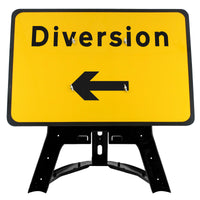
Diversion Left Arrow Sign QuickFit EnduraSign Dia 2702 | 1050x750mm
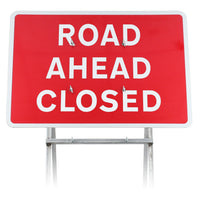
Road Ahead Closed Sign Diagram 7010.1 | Quick Fit (face only) | 1050x750mm

Bigfoot Traffic Cone Heavy Duty Road Cone
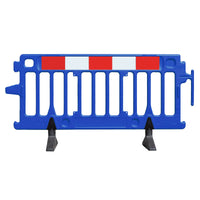
Avalon Barriers - Pedestrian Barrier - Blue
Blue Diamond GroundTuff Ground Protection Mat (20t) - 1200 x 800 x 22mm

Hellberg Local 2 Headband Style Group Comms Bluetooth Active Listening Ear Defenders - SNR 30 | 85002-001 (by Snickers)

Green Dominator Traffic Cones 1000mm JSP Road Cone
Pedestrian Crossing Point Sign QuickFit EnduraSign | 600x450mm
Traffic Signals dia. 543 - Classic Roll Up Sign / RA1

