+44 (0)1905 794875
 Wholesale Prices

The Expert Guide To Hi-Vis For Construction Industry Apprentices
Starting a new job as a construction industry apprentice? You might be wondering which hi-vis workwear is best for the job.
In our expert guide to construction hi-vis for apprentices, you’ll learn why it’s important to wear the right hi-vis clothing, what garments to buy for your role, and how to look after them properly.
Why construction apprentices need the right hi-vis workwear
Hi-vis workwear is almost always mandatory on construction sites, where there’s a risk from moving vehicles and heavy machinery. The right hi-vis clothing ensures that you and your colleagues are visible when moving around the site.
You also need hi-vis for compliance - in fact, you won’t even be allowed to enter most construction sites if you’re not wearing the required PPE, which includes hi-vis workwear (typically yellow hi-vis).

Compliant hi-vis clothing must include both fluorescent and retro-reflective material. The percentages of these materials give each garment a conspicuity rating (from Class 1 to Class 3) under EN 20471, and the individual site you work on will determine which class you need.
Finally, it’s essential to get the correct fit for your comfort and safety.
Further reading: The Dangers Of Not Wearing Hi-Vis
What hi-vis clothing construction industry apprentices need to buy before they start
First of all, let’s just clear up who pays for hi-vis workwear. In most cases, this will count as PPE, meaning your employer has a responsibility to provide it. (Self-employed contractors often pay for their own workwear.) However, your employer may ask you to buy your hi-vis items and then refund you.
So, what colour hi-vis should you wear as a construction apprentice? The industry doesn’t have official regulations for colours - but the only colours approved under EN 20471 are fluorescent yellow, orange, and red.
Yellow is the most popular colour for general construction, such as building sites. That’s because it has high contrast in most conditions, showing up well against concrete, buildings, and machinery. Yellow hi-vis is also widely available, which makes life easier when site owners are buying workwear for large teams.

The construction industry also covers the railway and road networks. Hi-vis orange (RIS-TOM certified) is mandatory trackside and is becoming more popular for road workers too - so always check with your employer before buying any workwear!
The type of hi-vis garment you need will depend on your role - some jobs might only require a hi-vis vest for compliance, but workers at higher risk may need a complete hi–vis outfit to ensure site safety.
Depending on the class of conspicuity you need for your job, you might wear a garment that’s completely hi-vis yellow, or one with panels in other colours (black and dark blue are often used for dirt-prone areas).
These are some of the most important items of hi-vis clothing:
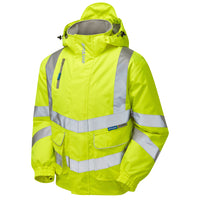
Hi-vis jacket
Hi-vis jackets for construction workers are essential, keeping you warm and dry as well as visible. Various styles are available, from fleece jackets to full-length waterproof raincoats, as well as lightweight softshell options.
Hi-vis trousers
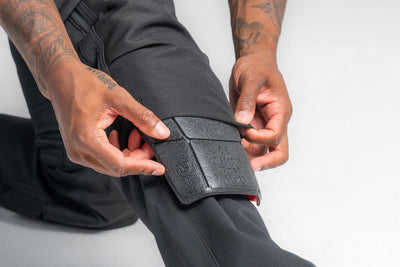
On site, hi-vis trousers don’t just protect your legs from the elements - they also add coverage if you need to wear head-to-toe hi-vis. Choose from slim fit, wide fit, and pirate trousers, with features like stretch fabric, knee pads, and pockets.
Hi-vis vest
These sleeveless garments are easy to slip on over other clothing when you don’t need a full jacket. In construction, hi-vis vests are also handy for site visitors who can quickly put them on before walking around. Versions include hi-vis gilets and tool vests.

Hi-vis polo shirt
Somewhat smarter than a T-shirt, a polo is ideal when it’s too warm for a jacket but you need more coverage than a vest. Long-sleeved versions protect your arms from the sun, while breathable ones help you stay cool.
Hi-vis shorts
You might opt for shorts during warmer weather or just due to personal preference. Like the hi-vis trousers, you’ll find shorts with stretch fabrics and ventilation for comfort - and you can add protection with strapped knee pad holders.
Top tip: Consider wearing layers rather than heavier garments so that you can remove items as the temperature changes. For example, on a chilly morning you might be tempted to wear a thick site hi-vis jacket, but it’s usually best to wear a lighter version with a couple of layers underneath (unless you’re working in extremely cold conditions, in which case thermals would be required).
Tips for construction apprentices on how to take care of their hi-vis
Once you’ve bought your hi-vis workwear, it’s important to keep it in good condition so that it lasts as long as possible. When you’re new to the construction industry, there are a few things to learn about taking care of hi-vis clothes.
Regular cleaning is essential, as dirt and grime can actually affect compliance if it obscures the fluorescent and reflective material. However, using the wrong method can damage your garments.
Always check the labels carefully, as different manufacturers have different instructions. The "wash rating" indicates how many times the item can be washed at the recommended settings while remaining compliant.

Take care to avoid tearing or damaging your hi-vis clothing. Wearing the right size is part of this, as oversized items can snag on equipment and too-tight garments may pull apart at the seams. Report any damage or defects to your manager.
Be aware that UV light causes fluorescent fabric to fade over time, which again can lead to non-compliance. If you work mainly outdoors, keep a close eye on your hi-vis garments and ask for replacements when they lose vibrancy.
Top tip: Your employer has a duty to provide you with information, instructions, and training on how and when to wear hi-vis clothing, and to supervise you to ensure you get it right.
Our recommended hi-vis brands for construction apprentices
As a construction apprentice, you’re probably seeking hi-vis clothing that’s affordable, easy to care for, and looks good on site. With all that in mind, here are some ideas from our popular brands.
Hi-vis jackets - Pulsar’s foul weather garments (with waterproofing and breathability) are very affordable and perform very well for their cost. The hi-vis yellow fleece jacket can be worn alone or as a base layer with the storm coats.

Hi-vis trousers - Blaklader and Snickers both give you multiple options when it comes to trouser style. You’ll also get the kudos of wearing a prestige brand (although the trade-off is the additional cost).
Hi-vis vests - Need a simple but reliable vest for occasional use? Supertouch and Pulsar offer these at around the £2 mark.
Hi-vis polo shirts - You’ll find smart styles with contrast detailing in the Mascot and Snickers collections, at mid-range prices. The Supertouch Essentials range also offers a great price point for polos - and they’re certified for 50 washes.
Hi-vis shorts - Whatever length or style you prefer for your work shorts, Blaklader and Mascot have you covered.
Top tip: If you’re going to be wearing hi-vis clothing every day, you might want to double up on the key items so that you can alternate between them - meaning you won’t have to go to work in dirty gear. Our affordable ranges allow you to do this (and they’re also ideal if you’re a site manager buying clothing for a group of new apprentices).
Watch the video for more inspiration:
Finding and buying all the hi-vis for your construction apprenticeship in one place
Make sure you stay safe, comfortable, and legally compliant on site by wearing the right hi-vis - and taking care of it. You can find all your new and replacement hi-vis workwear at Start Safety.
Ready to find the hi-vis you need for your construction industry apprenticeship? We have a vast collection of industry-approved hi-vis site jackets, trousers, and shirts, with new lines added throughout the year. Chat to our friendly sales team for extra advice!
- Author
Related articles


You might like:
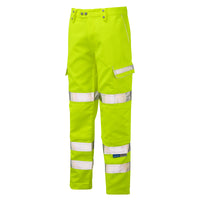
Pulsar Protect Hi Vis Yellow Combat Trouser P346
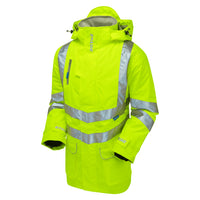
Pulsar Protect Hi Vis Yellow Waterproof Padded Storm Coat P187
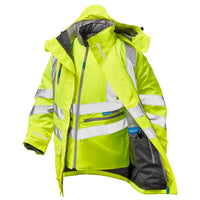
Pulsar Protect Hi Vis 7-in-1 Storm Coat & Body Warmer P487
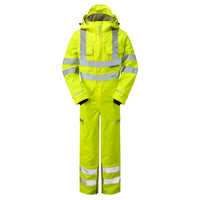
Pulsar Protect Hi Vis Yellow Coverall P522
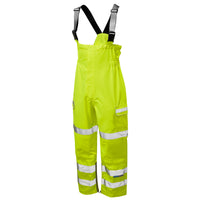
Pulsar Protect Hi Vis Yellow Waterproof Salopettes P521
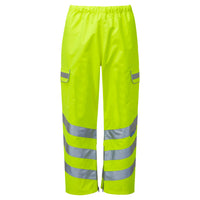
Pulsar Protect Hi Vis Yellow Waterproof Overtrousers P206TRS
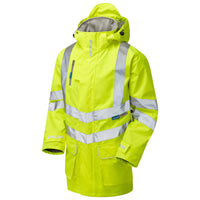
Pulsar Protect Hi Vis Yellow Mesh Lined Storm Coat P421
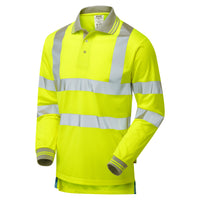
Pulsar Protect Hi Vis Yellow Long Sleeved Polo Shirt P458
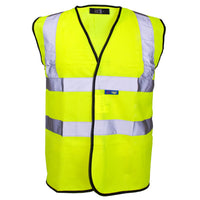
Supertouch Hi-Vis Yellow/Black 2 Band Vest - Class 2
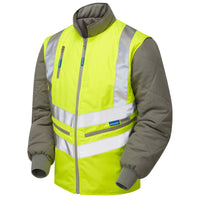
Pulsar Protect Interactive Body Warmer Hi-Vis Yellow P422
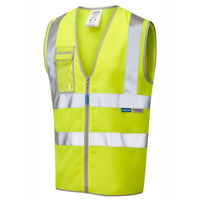
Pulsar Protect Hi-Vis Yellow Zip Up Vest P197