+44 (0)1905 794875
 Wholesale Prices

The Dangers Of Not Wearing Hi-Vis
Has your workplace ever had a near-miss between a worker and a vehicle? It might be because the worker didn’t show up in low light or against a certain background.
In this article, we’ll explain why hi-vis workwear is a simple way to reduce the risk of accidents and make the work environment safer for everyone.
The dangers of not wearing hi-vis
The key danger is the lack of visibility. If you’re not wearing hi-vis clothing on site, you are less likely to be seen and avoided by plant operators and drivers of vehicles like forklifts and HGVs - which can lead to serious accidents.
Drivers and operators have a shorter time to react, as they won’t be able to spot you as quickly (or from as far away) as they would if you were wearing luminous and reflective clothing. This is more of a problem in darkness or low light, as well as in poor weather conditions like fog or heavy rain.

However, visibility isn’t just a concern at night. Shadows and contrast also play a big part. For instance, on a sunny day, forklift drivers may be dazzled by the glare outside and the change in light levels as they enter the warehouse, making it harder to see workers who are not in hi-vis.
Even if your role doesn’t usually require hi-vis - such as working in an office - you’ll need to pop on a hi-vis vest to visit the warehouse or yard. People are often tempted to “just run out for a second” without bothering to do this. But if nobody is expecting you to appear in that area, a lack of hi-vis makes you vulnerable.
Business costs of not wearing hi-vis
As well as the impact of an accident on the workers themselves, failure to wear hi-vis can be a costly mistake for a business. Accidents and injuries lead to lost time and project delays.
Investigations into the incident can also cause delays or even a shutdown of the site. The company could face legal action if the accident stemmed from a failure to provide hi-vis or another health and safety breach.
Accidents may also affect your insurance premiums in future, and cause reputational damage to the business. Staff morale is likely to be lower after an incident, which can reduce productivity.

What difference does hi-vis make?
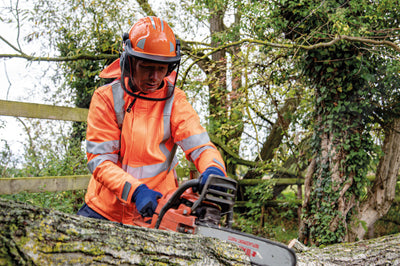
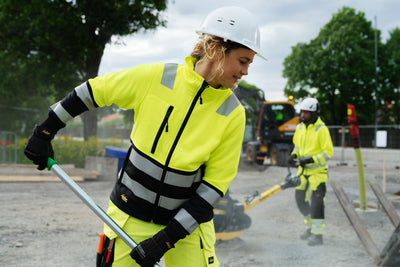
Hi-vis workwear is designed to help you show up in all light conditions and weathers - this is why it is both luminous and retro-reflective.
Hi-vis garments are typically made from yellow, orange, or red fluorescent fabric, which absorbs light and instantly re-emits it as a “day-glo” colour. Retro-reflective tapes, bands, or panels bounce light back to its source, such as vehicle headlights, creating a bright glow.
When you wear hi-vis, you will stand out against a variety of backgrounds because the bright colours provide a strong contrast.
Conversely, if you wear dark clothing against tarmac, grey/black workwear near machinery, or green/brown clothing near landscaping sites, you will blend into the background even in daylight.
Beware of wearing the wrong hi-vis colours in the wrong settings. For example, yellow hi-vis may not stand out around yellow barriers or sodium-lit areas. On the UK rail network, orange hi-vis avoids confusion with railway signalling colours.
To learn more about hi-vis colours and the different classifications of hi-vis clothing, check out this blog article.

Where can hi-vis be worn?
Hi-vis workwear isn’t just for road works and construction sites. You can and should wear it when working in any environment or industry where you need to be highly visible. Examples include:
-
Warehousing and logistics
-
Manufacturing
-
Farming and agriculture
-
Delivery and distribution
If you work as a car park attendant or an event marshal, hi-vis garments are also important.

Hi-vis maintenance and care
It’s vital to keep your hi-vis clothing clean and well-maintained. If it’s dirty or faded, or the reflective tape gets damaged, it will lose its effectiveness - and may even become non-compliant. This is because a certain proportion of the garment needs to be fluorescent and reflective in order to meet the safety standards.
For full details, read our hi-vis cleaning guide!
Closing thoughts
Don’t ignore a near-miss between a worker and a vehicle or plant operator - take it as a warning sign and make sure everyone who needs it is wearing hi-vis.
You should also ensure that you buy compliant hi-vis workwear that meets the required standard (EN ISO 20471) and that everyone is wearing the correct class for the role or industry. Give our friendly sales team a call for more advice!
- Author
Related articles

You might like:
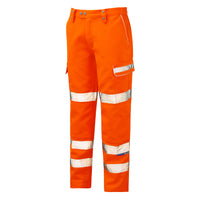
Pulsar Protect Hi Vis Orange Rail Spec Combat Trouser PR336
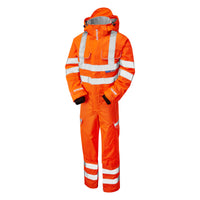
Pulsar Protect Hi Vis Orange Rail Spec Coverall PR505
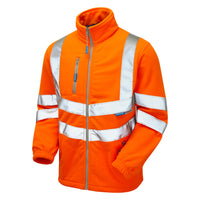
Pulsar Protect Hi Vis Orange Interactive Fleece Jacket PR508
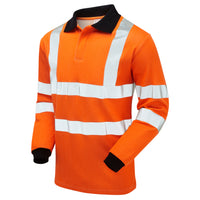
Pulsar Electric Arc Flash & Fire Retardant Hi Vis Orange Long Sleeved Polo Shirt PRARC21 / PRARC23
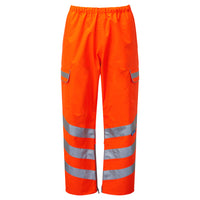
Pulsar Protect Rail Spec Hi Vis Orange Waterproof Overtrousers PR503TRS
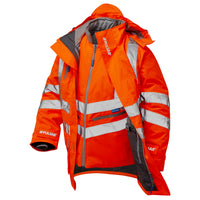
Pulsar Protect Hi Vis Orange 7-in-1 Storm Coat & Body Warmer PR497
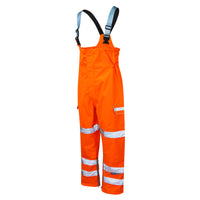
Pulsar Protect Hi Vis Orange Waterproof Salopettes PR504
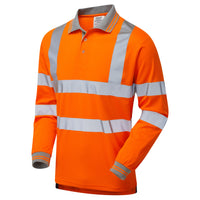
Pulsar Protect Hi Vis Orange Long Sleeved Polo Shirt PR470
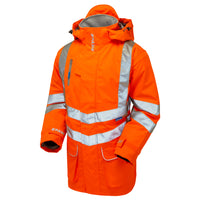
Pulsar Protect Rail Spec Hi Vis Orange Mesh Lined Storm Coat PR499
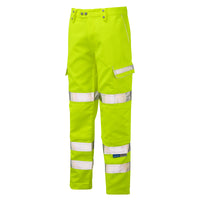
Pulsar Protect Hi Vis Yellow Combat Trouser P346
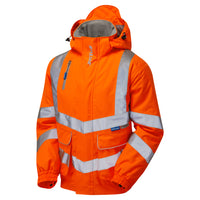
Pulsar Protect Hi Vis Orange Waterproof Padded Bomber Jacket PR496