+44 (0)1905 794875
 Wholesale Prices

Do Employers Have To Pay For Safety Shoes?
Safety footwear is essential for any job that carries a risk of injury to the feet, and for compliance with safety standards on site. But do employers have to pay for safety shoes, or do workers have to buy them?
In this article, we’ll explain the law around safety footwear.
Why are safety shoes important?
Safety shoes and boots are vital elements of protective equipment in many roles and industries. The right footwear can offer protection if something heavy falls on your feet, or you tread on something sharp, or you get splashed by hazardous substances. Regular shoes would not keep you safe in these situations.
Safety footwear is also designed to provide support and comfort, especially for workers who are on their feet for long periods of time. It may include features like waterproofing, insulation, and shock-absorbing insoles. Many safety shoes also have non-slip soles, something that’s often overlooked.

Do employers have to pay for safety shoes?
Yes, according to UK law. Here’s why:
The Personal Protective Equipment at Work Regulations 1992 state that employers have a duty to provide appropriate PPE to any worker who may be exposed to health and safety risks in the course of their job. This applies wherever a risk has been identified and can’t be managed by any other means.
Safety footwear varies in price depending on your requirements, but there is obviously a cost attached to high-quality shoes that deliver proper protection. This may be unaffordable for many employees, which is another reason why employers are expected to provide it.
All of which means that employers do have to pay for safety shoes (either the company buys them or the employee pays and gets reimbursed). PPE is treated as an allowable business expense by HMRC, so employers can deduct this cost from their business profits when calculating tax.

Can employees provide their own safety shoes?
If you’re an employee and you would prefer to wear your own safety shoes, you can ask to do this (at your own cost). Similarly, if you want to wear higher-rated or premium-brand shoes rather than those provided by the business, you can offer to pay the difference.
In both cases, you’ll need to get permission from your employer because they’ll need to make sure your shoes are compliant. Employers have the right to inspect your shoes - and they can also insist that you wear what they provide.
What about self-employed workers?
If you work for yourself, you’ll typically need to provide your own PPE, including safety shoes. Do your research and make sure the footwear you choose is properly protective and compliant. Remember that specific work sites may have specific rules about PPE - for example, you may need heat-resistant shoes to work in a steel foundry or metal-free shoes in areas with security equipment.
Some companies do provide protective equipment to contractors. Either way, the person who hires you can insist on checking your PPE before allowing you on site.

What standards apply to safety shoes?
EN ISO 20345:2022 is the current international standard for safety footwear, setting out the minimum requirements for shoes manufactured after July 31, 2013.
It is an upgrade to the previous 2011 version, adding slip resistance as a basic requirement for all safety footwear and introducing new categories such as ladder grip certification. The standard covers requirements for toe caps, resistance against hazards (such as fuel, oil, water, cold, heat, puncture, abrasion), and the materials and ergonomics of the shoe.
Do employers have any other safety responsibilities?
Apart from providing safety footwear, employers need to carry out regular risk assessments to determine who needs PPE and when they must wear it. They also need to provide clear instructions for safe use.
It’s up to the employer to buy the right type of footwear for the industry and role, and to ensure that everyone’s safety shoes are well-fitting and comfortable. Comfort isn’t governed by law, but it’s crucial to avoid discomfort and reluctance to wear PPE.
Employers should carry out regular checks to make sure safety footwear is fit for purpose and that it’s being worn correctly. It’s also good practice to encourage workers to check their own PPE, and inform their managers promptly of any problems.

The takeaway
Employers can’t expect workers to do their jobs without appropriate protection, and it’s a legal requirement to provide safety shoes in workplaces where there’s a risk to safety. However, employees may be permitted to provide their own safety shoes as long as they’re compliant.
Ready to buy safety footwear? Shop online now or give our friendly sales team a call if you have further questions.
- Author
Related articles


You might like:
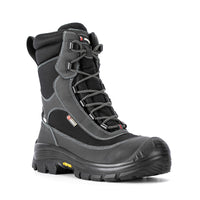
Sixton Avalon Polar 88056-05L S3 HRO HI WR SRC Safety Boot
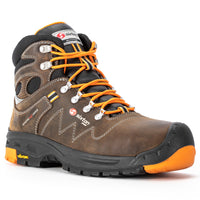
Sixton Tonale Scout 30329-02L S3 HRO HI SRC Safety Boot
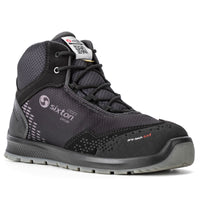
Sixton Auckland High Skipper 94405-00L S3 SRC Safety Boot
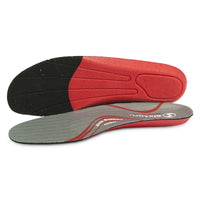
Sixton Arch Support Insoles For Work Boots
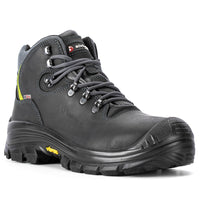
Sixton Stelvio Polar 88087-17L S3 HRO HI WR SRC HDRY Safety Boot
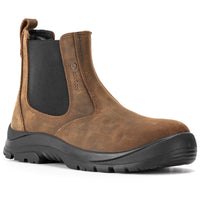
Sixton Dealer Boot Touring 10349-01L S3 SRC Safety Boot
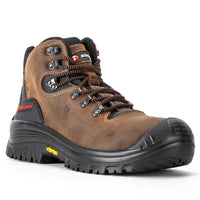
Sixton Stelvio Atlantida Brown 80087-01L S3 HRO HI SRC Safety Boot
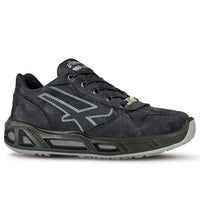
U-Power Carbon Carpet S3 SRC CI Safety Trainer Shoe RC20013
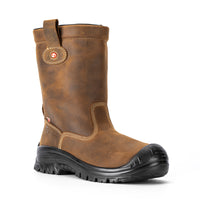
Sixton Montana Endurance 81156-23L S3 WR CI SRC Safety Boot
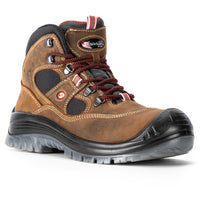
Sixton Labrador Endurance 81152-00L S3 SRC Safety Boot
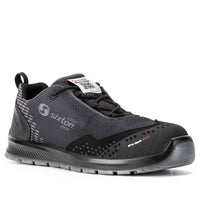
Sixton Auckland Skipper 94378-00L S3 SRC Safety Trainer