
 +44 (0)1905 794875
 Wholesale Prices

First Aid Kit Standards - What's Changed?
The British Standard for workplace first aid kits, BS 8599-1, has been updated for 2026. We take a look at what’s changed and why it matters.
What is BS 8599-1?
BS 8599-1 (or BS 8599-1:2019+A1:2026, as the updated version is called) is a British Standard that sets guidelines for the contents of workplace first aid kits. This includes appropriate quantities and sizes of first aid kits, based on the level of risk and the number of employees.
British Standards are issued by the BSI, the national standards body for the UK. Although they’re not technically laws, their guidance is generally accepted as best practice. Following the recommendations of BS 8599-1 demonstrates that your business is meeting its legal duty of care to workers and visitors.

What’s changed?
The updated standard is designed to help businesses and organisations improve their preparedness for emergencies, especially for responding to common workplace incidents: namely burns, eye injuries, and cardiac arrests.
The 2026 amendment introduces new guidelines, recommending that first aid provision be extended to cover these emergencies in workplaces where a higher risk has been identified.
Burns kits
If your environment carries a high risk of burns (i.e. kitchens, manufacturing plants, and high-voltage equipment), you should have a burns kit containing a face mask burn dressing for the safe treatment of delicate facial burns.
Eye wash kits
In workplaces with an identified risk of eye injury (such as those where flying debris or hazardous chemicals are present), you should provide an eye wash kit including sterile eye dressings alongside eye wash solution in both bottles and pods.

AEDs
According to the British Heart Foundation, there are more than 30,000 out-of-hospital cardiac arrests in the UK each year - but fewer than 1 in 10 people survive. Rapid treatment makes a big difference, so it’s now recommended that all premises with five or more people on site should have an AED defibrillator available and ready to use within two minutes of all areas.
For larger workplaces, this may mean installing multiple devices. The AEDs should be housed in a cabinet or wall-mounted, registered on the National Defibrillator network, and made available to the public where possible.
Individual requirements
BS 8599-1:2019+A1:2026 reiterates that there’s no set figure for the size of your first aid kit or the number of kits you need on site. It’s entirely dependent on factors like workplace size, number of employees (and visitors), and level of risk. Don’t forget about lone workers and company vehicle drivers when carrying out your risk assessment.

Can I still use my existing first aid kit?
Guidelines for the other contents of a workplace first aid kit haven’t changed. If you already have one or more kits on site, you can still use them - as long as they’re compliant. This means they have to be fully stocked, within the expiry dates, and the right size for your workplace.
However, if your risk assessment shows there’s high potential for burns and/or eye injuries, you should upgrade your first aid provision with specialist kits. And you’ll need to invest in an AED (or several) if there are more than five people on site.
What should I do next?
The update to BS 8599-1 is about encouraging workplaces to take a more proactive approach to first aid. Check that your existing first aid kits are up to date, and carry out a comprehensive risk assessment to decide if you need specialist kits.
Ready to buy first aid equipment including burns kits, eye wash equipment, or AEDs? Shop online at Start Safety or contact our friendly sales team for more advice.
- Author
Related articles


You might like:
Vehicle First Aid Kit With Pouch British Standard Compliant
Small Economy Workplace First Aid Kit British Standard Compliant
Medium Economy Workplace First Aid Kit British Standard Compliant
Large Economy Workplace First Aid Kit British Standard Compliant
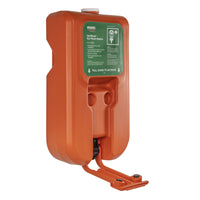
Hughes Gravity-Fed Portable Eye Wash Station | Wall-Mountable - 38 Litre
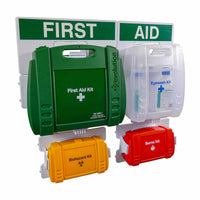
Evolution Complete First Aid Point (Large) - British Standards Compliant
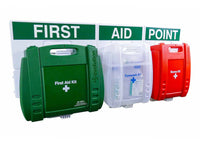
Evolution First Aid - Eyewash and Burns Point (Large) - British Standards Compliant
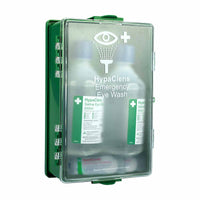
HypaClens Economy Eyewash Cabinet with Eye Dressings
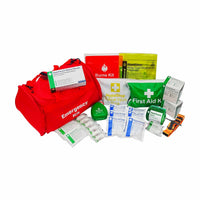
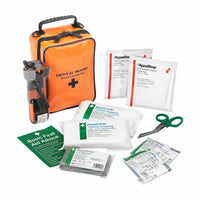
HypaStop Critical Injury Bleed Control Kit in a Bag
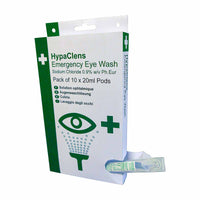
HypaClens Emergency Eyewash Pods

