+44 (0)1905 794875
 Wholesale Prices

What Colour Hi-Vis Should You Wear?
High-visibility clothing is required for certain roles and industries to make sure workers are easily seen on site, especially in low light conditions. But what colour hi-vis should you wear and when?
In this article, we’ll discuss the main colours of hi-vis workwear, where you can wear them, and how to choose the right one for your situation.
What are the common colours for hi-vis?
There are three main colours for hi-vis clothing:

The EN ISO 20471 safety standard, which regulates hi-vis garments, specifies that these three are the only acceptable colours. You may encounter hi-vis items in other colours, but it would be non-compliant and outside the scope of this article.
However, compliant garments don’t have to be made entirely from luminous yellow, orange, or red fabric. Many items of hi-vis workwear include contrast panels in darker colours like black or grey - these can be used to denote different roles, or just to hide dirt in high-grime areas like the waist, neck, and cuffs.
TIP: Read our article on how to clean hi-vis clothing.
What about hi-vis classes?
The “class” of hi-vis is often more important than the colour. Simply wearing hi-vis red, orange, or yellow clothing won’t necessarily mean you’re compliant with the requirements of an individual site or industry.
That’s because EN ISO 20471 ranks hi-vis garments according to the amount of fluorescent background and reflective material they contain. There are three classes or categories for hi-vis, with Class 1 being the lowest.
Class 1: Typically worn in low-risk areas, such as warehouses or off-road work sites where workers are around equipment and vehicles moving at up to 19mph. Clothing that meets class 1 requirements must have at least 0.1 m2 of reflective material and 0.14m2 of fluorescent material.
Class 2: Worn in medium-risk areas with slow-moving traffic up to 25mph. Class 2 clothing needs to have at least 0.13m2 of reflective material and 0.5m2 of fluorescent material.
Class 3: Suitable for areas with the highest risk, such as railways, airports, quarries, and around fast-moving traffic up to 37mph. Class 3 requires that the workwear features 0.2m2 of reflective material and 0.8m2 of fluorescent material, allowing the full silhouette of the worker to be easily seen.
It’s worth noting that smaller sizes of the same garment may have a lower classification, as the surface area of fluorescent and reflective material is smaller.

Where can you wear the three hi-vis colours?
These handy tables show the most common use cases for yellow, orange, and red hi-vis garments - and why.
Yellow hi-vis
| Industry / environment | Why yellow? |
|---|---|
| Construction sites | Strong all-round visibility; easy to source in Class 2 and Class 3 |
| Warehousing and logistics | Good contrast indoors and in yards |
| Roadside work (depending on client rules) | Very visible against tarmac and vehicles |
| Delivery, transport, and distribution | Common, inexpensive, and widely recognised |
| General facilities and maintenance | Standardised, recognisable PPE |
| Visitor PPE | Often used for generic visitor vests |
Where should you not use yellow?
Yellow hi-vis can be less effective in areas where it blends into the background - for example, against grass, hedges, foliage, yellow plants, yellow barriers, sodium-lit areas, and some quarry/aggregate environments.

Orange hi-vis
| Industry / environment | Why orange? |
|---|---|
| Rail* | UK rail network commonly requires orange to avoid confusion with railway signalling colours |
| Highways and road works | Stands out against grey tarmac and yellow road signs |
| Utilities and civil contractors | Good contrast against green/brown outdoor backgrounds |
| Waste, recycling, and highways maintenance | Strong outdoor contrast |
| Quarries and aggregates | Often contrasts better than yellow with dusty or natural backgrounds |
| Plant operators / banksmen | Can be used to distinguish roles or zones |
| Ports and logistics yards | Good contrast around vehicles and containers |
* For use on rail sites, orange hi-vis workwear needs to be compliant with the RIS-329-TOM (formerly GO/RT 32798) standard as well as with EN 20471.
Why is orange sometimes not ideal?
Orange can blend into some backgrounds more than the other colours. For instance, this may be the case if you’re working on steel where there’s lots of rust, or against another orange background. There may be specific corporate or site rules that prohibit orange hi-vis.

Red hi-vis
| Industry / environment | Why red? |
|---|---|
| Emergency roles | Can help identify fire marshals and rescue or incident response roles |
| Airports / airside | Sometimes used for role distinction, subject to local rules |
| Site management or exclusion | Can indicate authority, supervision, or restricted duties |
| Industrial plants | May be used where yellow/orange are already assigned to other teams |
| Farming / agriculture | Does not attract insects like the other colours do |
Downsides of using red
Red hi-vis may cause confusion if people assume that the wearer is a fire marshal or emergency responder. Compared to other hi-vis colours, there are more background types where red is less easy to distinguish.

How to choose the right colour
So, which colour should you wear? Take these factors into account before you buy hi-vis workwear.
1. Legal requirements
First, check if your industry or work site has any official rules for the colour of hi-vis garments. This would apply to the rail network, where orange must be worn.
2. Environment
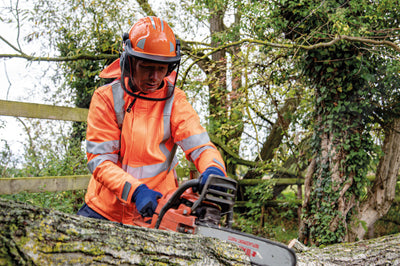
If there are no legal requirements, consider the primary background colour of the most common working environment. If there’s a lot of greenery, then orange hi-vis will stand out better than yellow - but in a warehouse, yellow may offer better contrast.

3. Role
You may decide to designate roles by colour. If so, think about the specific working characteristics that may impact workers’ visibility. For example, welding teams may be working against a rusty steel background while concrete teams need to show up against grey surfaces.
4. Availability
If you need garments that conform to other standards as well as being hi-vis, this may affect the colour you go for. For instance, items with protection against fire and arc flash may not always be available in all colours from all brands.
Closing thoughts
Knowing what colour hi-vis to wear is essential for safety and compliance. The legal requirements of your site, the working environment, and individual roles will all affect your choice between yellow, orange, and red.
Ready to buy hi-vis workwear? Start Safety has a huge selection in all three colours, all compliant with EN 20471. Contact our friendly sales team with any questions.
- Author
Related articles


You might like:
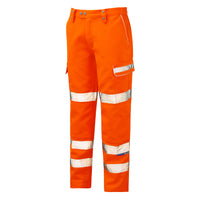
Pulsar Protect Hi Vis Orange Rail Spec Combat Trouser PR336
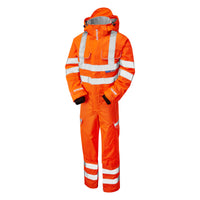
Pulsar Protect Hi Vis Orange Rail Spec Coverall PR505
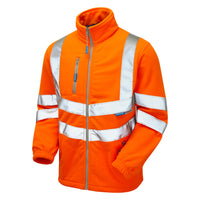
Pulsar Protect Hi Vis Orange Interactive Fleece Jacket PR508
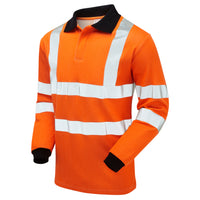
Pulsar Electric Arc Flash & Fire Retardant Hi Vis Orange Long Sleeved Polo Shirt PRARC21 / PRARC23
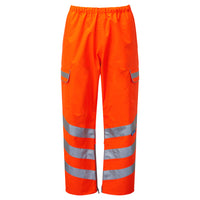
Pulsar Protect Rail Spec Hi Vis Orange Waterproof Overtrousers PR503TRS
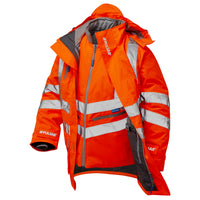
Pulsar Protect Hi Vis Orange 7-in-1 Storm Coat & Body Warmer PR497
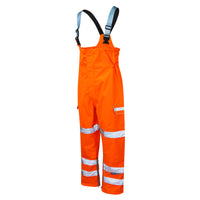
Pulsar Protect Hi Vis Orange Waterproof Salopettes PR504
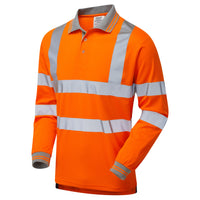
Pulsar Protect Hi Vis Orange Long Sleeved Polo Shirt PR470
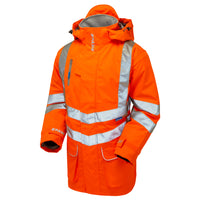
Pulsar Protect Rail Spec Hi Vis Orange Mesh Lined Storm Coat PR499
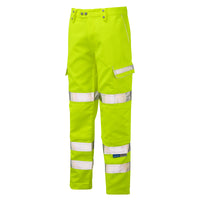
Pulsar Protect Hi Vis Yellow Combat Trouser P346
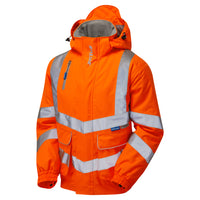
Pulsar Protect Hi Vis Orange Waterproof Padded Bomber Jacket PR496