+44 (0)1905 794875
 Wholesale Prices

Are Work Trousers PPE?
Work trousers are practical, functional garments, typically made from tough fabrics to withstand the rigours of daily manual work. But what if your role or industry requires further protection? Do work trousers count as PPE?
In this article, we’ll explain how to tell the difference between PPE and regular workwear, and explore some protective features of PPE work trousers.
How do I know if my trousers are PPE?
PPE (personal protective equipment) refers to any garment or wearable item that prevents or reduces exposure to hazards.
If your work trousers are specifically designed to protect you from danger or harm, they can be classed as PPE. These trousers will have special features that are certified to protect against certain hazards, such as arc flash-rated trousers or flame-retardant trousers.
For example, trousers with pockets for securing knee pads can be classed as PPE because they offer protection. Work trousers without knee pad pockets (or any other protective features) are just regular workwear.

Certifications
To be classed as PPE, work trousers must have a certification. For example:
-
EN ISO 20471 for hi-vis clothing
-
EN ISO 11612 for heat and flame protection
-
EN ISO 11611 for welding clothing
-
EN 381 / EN ISO 11393 for chainsaw protection
-
EN 343 for clothing that protects against rain
-
IEC 61482 for arc flash protection
NOTE: This is not an exhaustive list - there are other certifications specific to various industries and environments, such as RIS-TOM for working on UK railways. It’s always crucial to check exactly which standards apply to your situation.
Who needs to wear PPE trousers?
If you’re working in a hazardous environment - for instance, a work site where there’s a risk from fire, arc flash, chemical splash, machinery, or extreme temperatures - you should wear protective trousers for the specific hazard you’re likely to encounter.
Hi-vis trousers are required when you need to be clearly visible to colleagues and vehicle drivers. If you work outdoors most of the time, you’ll need waterproof trousers.

Examples of trousers that may be PPE
The following are some common properties of PPE work trousers and where you might need them.
-
High visibility: Road, rail, logistics, or low-light work
-
Flame resistance: Welding, utilities, electrical or petrochemical environments
-
Arc flash protection: Electrical work
-
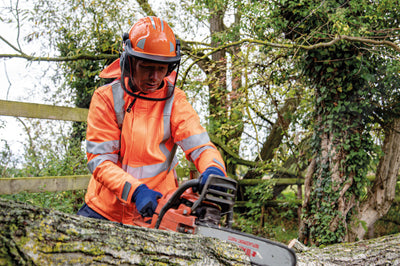
Cut resistance: Forestry, arboriculture, or chainsaw use
-
Chemical resistance: Where splashes or contamination are a risk
-
Waterproof protection: Wet environments (where exposure creates a safety risk, not just discomfort)
-
Cold resistance: Working outdoors or in a refrigerated environment (where exposure creates a safety risk, not just discomfort)
-
Knee pad compatibility: Where knee protection is required.

Who provides PPE work trousers?
Under the Personal Protective Equipment at Work Regulations 1992, employers have a duty to provide suitable PPE to anyone who may be exposed to health and safety risks, as identified by a risk assessment (unless the risks can be managed by other means). This can include work trousers.
Can I buy my own PPE trousers?
If you buy your own trousers - perhaps as an upgrade from the ones you’ve been issued with - your employer has the right to inspect them to ensure they meet the required standards. They can also make you wear the garments they provide.
If you’re a self-employed contractor, you may need to provide your own PPE (some companies do provide it to contractors). In this case, always check that it has the right protective features for the job. Again, the person who’s hiring you may check your PPE before allowing you on site.
Check before you buy
Before going ahead with a purchase, consider the following questions about PPE work trousers:
What hazard(s) do they protect against?
Do these trousers offer protection against the specific risks associated with your work site?
What standard do they need to meet?
Make sure the trousers conform to whichever standard is required for your industry.

Will they be worn with other PPE?
Items like boots, jackets, and harnesses could potentially affect the fit and comfort of the trousers as well as their effectiveness against hazards.
How will they be cleaned and maintained?
Are the trousers machine-washable or suitable for industrial laundering? Look for cleaning instructions on the label.
Who checks when they need replacing?
Is it up to each user to check for wear and tear, or will you implement regular official checks?
Are workers likely to actually wear them?
Think about whether the trousers will allow the wearer to work comfortably and productively. For example, you can look for features like stretch fabrics, adjustable fit, and holster pockets. If workers don’t feel comfortable in their PPE, they’ll be tempted not to wear it.
Closing thoughts
Work trousers with protective features, such as flame retardancy or waterproofing, can be classed as PPE. Before you buy, make sure you understand which features and certifications you need, and take factors like comfort and maintenance into consideration. If you need more advice, give our friendly sales team a call!
FAQs
How can I check the certification of work trousers?
Look at the label - this should be prominently displayed on the garment, and will also contain washing and care instructions. New trousers may also have a tag that describes the key features.
What is the arc flash rating?
Arc flash (also called electrical flashover) is a type of electrical explosion or discharge that produces intense light and heat. Clothing that’s been tested and certified to protect against this hazard is given a rating, expressed in cal/cm² (how many calories of protection each cm² of fabric will provide).
- Author
Related articles


You might like:
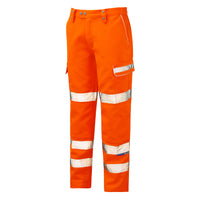
Pulsar Protect Hi Vis Orange Rail Spec Combat Trouser PR336
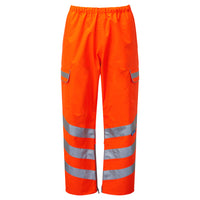
Pulsar Protect Rail Spec Hi Vis Orange Waterproof Overtrousers PR503TRS
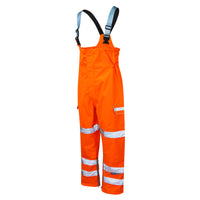
Pulsar Protect Hi Vis Orange Waterproof Salopettes PR504
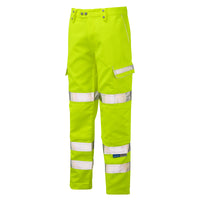
Pulsar Protect Hi Vis Yellow Combat Trouser P346
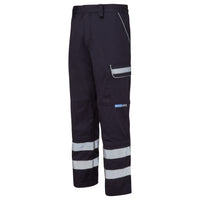
Pulsar Protect Navy Combat Trouser P513
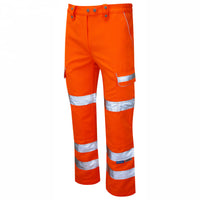
Pulsar Ladies Hi Vis Orange Rail Spec Combat Trouser PR336LDS
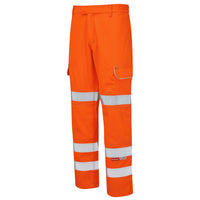
Pulsar Electric Arc Flash & Fire Retardant Antistatic Hi Vis Orange Combat Trouser PRARC07
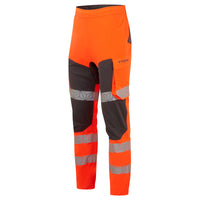
PULSAR React Hi-vis Orange/Grey Combat Trousers RCT811
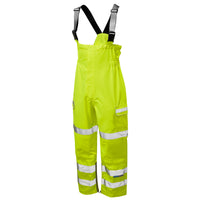
Pulsar Protect Hi Vis Yellow Waterproof Salopettes P521
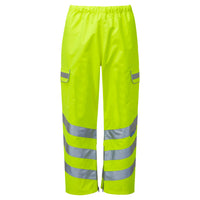
Pulsar Protect Hi Vis Yellow Waterproof Overtrousers P206TRS
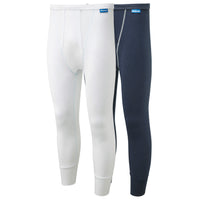
Pulsar Blizzard Mens Thermal Long Pants BZ1503