+44 (0)1905 794875
 Wholesale Prices

How To Clean Safety Shoes
Your safety shoes have one job: protecting your feet. (Well, technically they provide protection, comfort, and support, which is three jobs in one.) You can help them do that job for longer by keeping your footwear in good condition. But what’s the best way to clean safety shoes?
In this article, we will explain how to clean safety shoes from the upper to the sole, and give you some extra tips for taking care of your protective footwear.
Why it matters
Cleaning and maintaining your safety footwear prevents premature wear and prolongs its lifespan. More importantly, proper care helps to ensure that your shoes and boots continue to protect you properly at work.
Dirt, dust, and moisture can cause the footwear’s structure, fabric, and protective technologies to deteriorate. For instance, mud and soil trap moisture on the surface, leading to the breakdown of polymers in the shoe’s structure and causing it to crumble.
Dried grit and sand (and residues of acids and salts in the dirt) will weaken elements like fabric mesh, seams, and leather uppers. Combined with sweat, dirt can help mould and bacteria to grow, rotting the linings and adhesives. Meanwhile, mud and stones in the tread of the sole will reduce grip.

Over time, the shoes become less safe, less compliant, and less comfortable to wear. Features like waterproofing, breathability, slip resistance, and shock absorption may fail to function correctly.
It’s essential to clean your safety boots regularly and thoroughly, especially in the winter months when you’re exposed to rain, snow, and mud. But even indoor safety sandals need to be cleaned and maintained.
Regular care also helps you to spot any problems, such as loose soles or cracked leather, so you can repair or replace the components or the whole shoe if needed.
How to clean safety shoes
Cleaning methods vary between types of shoe, and the key piece of advice is to check the label or instructions from the manufacturer before getting started. However, we’ve created a general guide to cleaning each material and component.
Important! For all types of safety footwear, avoid aggressive cleaning products such as benzene, bleach, acids, or solvents. These can damage the protective coatings on your shoes and compromise their safety and durability. Don’t put your safety shoes in the washing machine either, as the powerful centrifugal force can cause damage and the hot water can dissolve integral adhesives.
Cleaning the upper
Check what your safety shoes are made from, then read the relevant section.
Grain leather
Make sure the shoes are dry before you begin. Gently rub the leather with a brush and lukewarm water, or with a damp cloth or sponge. Don’t use too much water - if you soak the leather, both the upper and the sole compound may crack as they dry.
You can treat stubborn stains with white vinegar, while oil stains can be removed with cotton soaked in whole milk. Rub this gently on the stain and leave it to dry naturally.

Suede and nubuck
Clean the surface gently with a soft-bristled brush (rubber bristles are ideal) without rubbing. Don’t use a damp cloth or water on this type of leather.
You can get rid of oil stains by spreading talcum powder or starch on the stain and then brushing it. A traditional eraser (the classic two-tone red and blue type) or a brass brush will also work. If you’re using a brass brush, make sure it’s a good quality one from a known brand.
If the stain doesn’t shift, try a small amount of white vinegar.
Synthetics and microfibre
Use a soft cloth dampened with lukewarm water, plus neutral fabric detergent or a mild soap such as Marseille soap if needed. You can also use a brush with soft bristles.
GORE-TEX
Brush any loose dirt away with a sponge or brush, then clean gently with lukewarm water and a small amount of mild unscented liquid detergent (such as regular washing-up liquid).
Cleaning the sole
Whatever type of safety footwear you have, you’ll need to keep the soles clear of dirt and stones that build up between the grooves in the tread. This debris can affect the shoe’s anti-slip properties or electrical resistance. Aggressive detergents can also damage anti-slip footwear.

Some models of safety footwear have self-cleaning soles. These may have a special tread pattern with flexible channels, or they may be made from two different materials that bend and compress unevenly. Either way, the soles eject dirt and debris as your foot flexes while walking. This gives you a better grip, as well as saving time on cleaning!
Caring for insoles
Wear socks to avoid direct contact between the insoles and your feet. Remove the insoles at the end of each day and leave them to stand. This helps to prevent the build-up of odours.
When you reinsert them, open the shoe fully and insert the front part up to the tip of the shoe. Then check the placement from the heel to the tip of the foot.
Insoles are subjected to a lot of stress and you’ll probably need to replace them a couple of times a year. Always use insoles from the same brand as your shoes, so that they are fully compatible and compliant.

Maintaining laces and fastenings
After each use, undo the laces and open the hook-and-loop fasteners to prevent dirt and dust from settling in those areas. This will also help the inside of the shoe to dry out from accumulated moisture during the day. It’s best to remove the laces completely before cleaning or brushing your shoes.
Make sure you replace the laces as soon as they start to wear or fray.
Next steps
After cleaning your safety shoes and boots, what comes next?
Drying
Don’t put safety shoes in the tumble dryer! The intense heat can melt the glue that holds the shoes together, as well as warping components such as plastic eyelets and synthetic mesh. It also strips natural oils from leather uppers.
Never dry your footwear using a direct heat source such as a hairdryer, a radiator, or even direct sunlight. This can cause damage such as cracked leather, and can also lead to bad odours. Always leave to dry naturally.
Moisturising treatment
Treat grain leather regularly with shoe wax or grease to help prevent it drying out. There are leather creams especially for nubuck, but you shouldn’t use creams, polishes, or waxes on suede. After cleaning nubuck shoes thoroughly, try the cream on a less-visible part of the shoe to see the effect.

Waterproofing
If your safety footwear isn’t waterproof to begin with - or if the coating has worn off over time - you can apply a special waterproofing spray. (Be aware that applying this to an ordinary shoe may not give you the same level of protection as a shoe with waterproofing built in from the start.)
Make sure that the shoe surface is completely clean before applying. Some sprays are suitable for all materials while others are only for synthetic uppers, so read the label carefully. For GORE-TEX footwear, use a durable water repellent (DWR) or a water-based sealant.
Shoe wax provides a water-repellent coating - but don't use wax or grease on GORE-TEX shoes as this can affect the breathability of the material.
General tips for safety shoe care
Store your safety shoes in a cool, dry, airy place, away from direct sunlight. Hot, humid, and poorly-ventilated areas can cause mould to grow on the footwear. Ideally, you want a temperature of less than 25°C, with humidity lower than 70%.
Check your footwear regularly for signs of wear or damage. Look out for cracks (in leather), holes, or tears, as well as exposed toecaps or soles coming loose from the uppers. In all of these cases, you will need to replace the shoes.
You can help to extend the lifespan of your shoes by alternating between two pairs, especially if you work in wet or dirty conditions.
Closing thoughts
If you don’t keep your safety boots and shoes clean - or you clean them the wrong way - you risk damaging the protective properties. Follow our guidance, and always check the manufacturer’s specific instructions as they may vary between models.
Do you have more questions before buying safety footwear? Contact our friendly sales team for a chat.
- Author
You might like:
Sixton Avalon Polar 88056-05L S3 HRO HI WR SRC Safety Boot
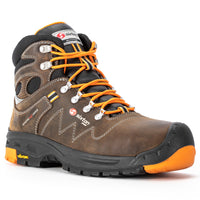
Sixton Tonale Scout 30329-02L S3 HRO HI SRC Safety Boot
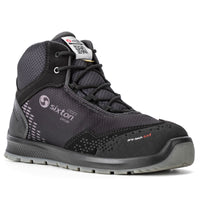
Sixton Auckland High Skipper 94405-00L S3 SRC Safety Boot
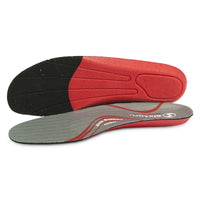
Sixton Arch Support Insoles For Work Boots
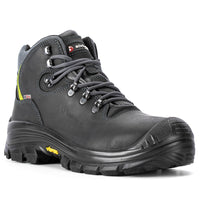
Sixton Stelvio Polar 88087-17L S3 HRO HI WR SRC HDRY Safety Boot
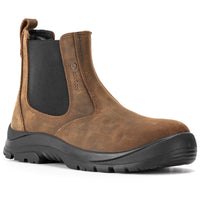
Sixton Dealer Boot Touring 10349-01L S3 SRC Safety Boot
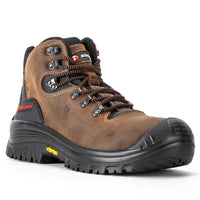
Sixton Stelvio Atlantida Brown 80087-01L S3 HRO HI SRC Safety Boot
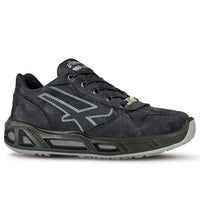
U-Power Carbon Carpet S3 SRC CI Safety Trainer Shoe RC20013
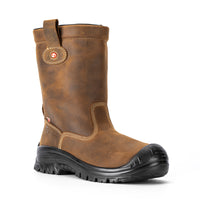
Sixton Montana Endurance 81156-23L S3 WR CI SRC Safety Boot
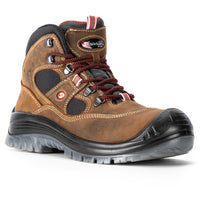
Sixton Labrador Endurance 81152-00L S3 SRC Safety Boot
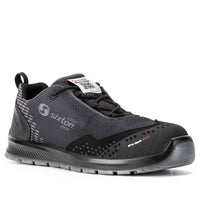
Sixton Auckland Skipper 94378-00L S3 SRC Safety Trainer