+44 (0)1905 794875
 Wholesale Prices

Guide To Thermal Base Layers For Work
If you work outdoors or in a cold environment, layered clothing is essential for staying warm and safe. Thermal base layers are the foundation of the layering system - but how do they work and why are they so important?
In this article, we will answer those questions and more to help you find the right thermal base layers for your needs.
What are thermal base layers?
Thermal base layers are close-fitting garments such as long-sleeved tops or long pants. They sit directly against your skin, underneath your regular workwear. You’ll typically combine them with mid layers such as T-shirts and trousers, and outer layers such as coats or overalls.

How do thermal base layers work?
A base layer is designed to draw sweat away from your skin. Damp skin loses heat quickly, so the moisture-wicking fabric helps to keep you warm. Thermal clothing insulates you by stopping air from moving over your skin, effectively trapping a layer of warm air against you.
A thermal base layer combines these properties in one garment. They often include antibacterial or anti-odour properties as well.
Why are they important?
Thermal base layers are important for both comfort and safety. If you’re too cold, you’ll be distracted from your work, leading to lower productivity and the potential for accidents. For example, you can’t grip tools or equipment properly with cold hands, and you’re more likely to trip if your toes have gone numb.
If you work in extremely cold environments, such as a North Sea drilling platform or a refrigerated unit, thermal base layers help to guard against hypothermia. Even in less extreme temperatures, staying warm protects your health.
Advanced fabrics help to regulate your body temperature by providing breathability as well as warmth, while base layers also reduce chafing for improved comfort under heavier workwear or PPE.

Who wears thermal base layers?
Thermal base layers are ideal for any role involving unheated environments or prolonged outdoor exposure in cold weather. They are commonly used in these industries:
-
Construction and groundworks
-
Warehousing and cold storage
-
Utilities and street works
-
Agriculture and forestry
-
Oil, gas, and offshore work
-
Emergency services and traffic management
-
Delivery and transport
What to consider when purchasing
Here are some of the crucial aspects to look out for in thermal base layers.
Garment type
First of all, decide what kind of thermal base layers you need. Depending on your role, you might require all or some of these items:
-
Tops (long or short sleeves)
-
Headgear (helmet liner, balaclava, snood/neckwarmer, hijab)
-
Gloves (not strictly a base layer, but essential)
Note: There are also thermal or insulated options for your mid and outer layers, including trousers, jackets, overalls, and footwear.

Fabric type
Wool (specifically merino wool) stays warm even when damp, and it’s naturally breathable and odour-resistant. It absorbs moisture vapour from your body before it even turns into sweat, while the layers of naturally wavy fibres create pockets of insulating air.
Synthetic materials like polyester or elastane are typically more affordable than wool, and also have the advantage of being lightweight and highly durable. They are designed to wick liquid sweat much faster than wool does, and to dry out quickly. However, they do hold on to odours.
Blended fabrics combine the best of both worlds, while materials with built-in stretch allow a full range of motion for physical tasks.
Weight and thickness
The garment’s weight and thickness are also important - too light and you won’t be warm enough; too heavy and you’ll overheat. Choose something appropriate for the conditions you work in and the level of activity required in your role.
Thermal base layers are measured in grams per square metre (gsm). As a rough guide:
-
Lightweight (100-150 gsm): suited to warmer days when you’re constantly moving around
-
Midweight (150-200 gsm): strikes a good balance between warmth and breathability
-
Heavyweight (200-250+ gsm): best for really cold days and when you’re standing around between activities.
Fit and comfort
For a thermal base layer to work effectively, it needs to fit snugly against your skin without bunching up or creating bulk under your outer layers or PPE. However, you don’t want it to be so tight that it restricts your movement. Choose a size that will let you move freely as you work.
The garment should provide full coverage, with no gaps at the waist, wrists, or ankles when reaching or bending. The hems and cuffs should stay in place as you move - if they ride up, they’ll feel uncomfortable and let in cold air.

Performance features
We already covered the pros and cons of wool and synthetic fabrics, and how your fabric choice affects the garment’s performance in terms of insulation and moisture-wicking properties.
The material also affects breathability, which varies depending on the weight and structure. Breathability is especially important for physically demanding roles where overheating is a risk.
Look for antimicrobial and anti-odour properties if you intend to wear your thermal base layers on a regular basis. Pay attention to the garment’s seams - flatlock and twisted seams are best for reducing chafing, especially under tight PPE.
Compatibility and safety
It’s vital that your base layers are compatible with the rest of your workwear and PPE. They shouldn’t affect the performance of the mid or outer layers in any way.
For example, if you’re required to wear hi-vis outer clothing, make sure there’s room to fit the base layer comfortably underneath and that it’s breathable, so that you’re not tempted to remove the critical hi-vis layer if you get hot.
If you want to wear a thermal helmet liner or balaclava under your hard hat, choose one that’s certified as being compatible. Non-compatible models may prevent the helmet from fitting properly, reducing your safety.
Further reading: Learn why you should never wear a hoodie under a hard hat
Depending on the specific hazards of your workplace, you may be required to wear flame-resistant and/or arc-rated clothing - and this includes the base layers. Always check the certifications, as non-compliant undergarments put you at risk of severe injury.
The key standards for FR and arc flash are:
- EN ISO 11612: Heat and flame protection
- EN ISO 14116: Limited flame spread
- EN 61482-2: Arc flash protection

Durability and value
Durability and long-term value are important for the workwear you use every day. Whether you go for wool or synthetic thermal base layers, you need to ensure that the garments are good quality - cheaper options may not last as long.
Synthetic garments are more durable than wool versions, being resistant to snags and piling. However, they tend to require more frequent washing because they hold on to odours, which may mean you need to replace them sooner.
Washability
In many cases you can machine-wash synthetics - but always check the manufacturer’s instructions and the wash rating (the number of times they can be washed at the recommended settings without falling out of compliance).
You can generally wash woollen base layers on a gentle machine cycle, or hand wash in cool water. Treat blended fabrics (containing wool) as wool. Arc flash and FR layers may require specialist cleaning.
The takeaway
Thermal base layers keep you warm and safe in the coldest of conditions. Think carefully about which type of garment and fabric will best suit your role, and pay attention to aspects like fit, durability, and compatibility with your other workwear and PPE.
Ready to buy thermal base layers? Shop in our online store - or give our friendly sales team a call if you need any extra advice.
- Author
Related articles

You might like:
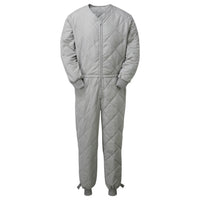
Pulsar Thinsulate Coverall Liner Grey EP100

Pulsar Blizzard Thermal Snood BZ1519

Pulsar Blizzard Thermal Balaclava BZ1514
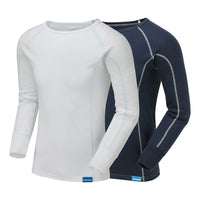
Pulsar Blizzard Mens Long Sleeved Thermal Top BZ1501
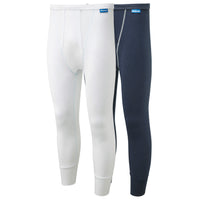
Pulsar Blizzard Mens Thermal Long Pants BZ1503
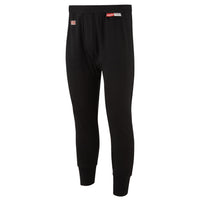
Pulsar Protect Fire Retardant Long Pants XFRC103
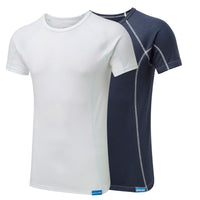
Pulsar Blizzard Mens Short Sleeved Thermal Top BZ1502
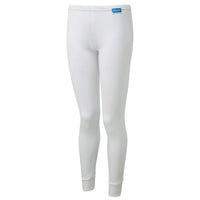
Pulsar Blizzard Ladies Thermal Long Pants BZ1552
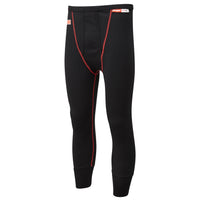
Pulsar Protect Arc Flash & Fire Retardant Long Pants Black/Red XARC03
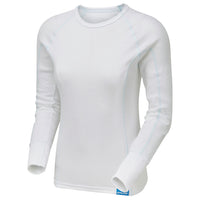
Pulsar Blizzard Ladies Long Sleeved Thermal Top BZ1550
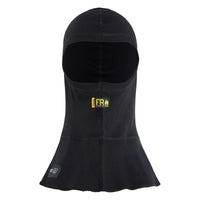
Blaklader 2038 Black Multinorm Fire Retardant Balaclava