+44 (0)1905 794875
 Wholesale Prices

Road Sign Materials Guide: What Are Road Signs Made From?
What are road signs made from, and which material is best? It all depends on whether you’re talking about temporary or permanent signs.
In this article, we’ll explore the various road sign materials and the pros and cons of each type.
What are road signs made from?
Road signs have two components: a backing material (otherwise known as the substrate) and a reflective vinyl face. The sign face is made from specialist vinyl film with an adhesive backing, which is printed and stuck onto the substrate.
Sign posts are made from steel (typically galvanised and sometimes powder-coated) or aluminium (typically powder-coated), while frames for temporary signs may be either plastic or steel.

Backing materials
So, what is the substrate made of? We need to divide this section into temporary and permanent signage, as the materials are different. Let’s take a look at each material and its pros and cons.
Temporary signs
The substrate may be made from:
Plastic
This is available in various thicknesses, with 2mm, 2.5mm, and 3mm being the most common. 2.5 to 3mm is the best thickness if you want to prevent the sign from bending, especially with larger 1050x750mm signs.
Formats: QuickFit sign system, cone signs.
Pros: Cost-effective, non-conductive, and of no value to scrap metal thieves.
Cons: Flexible, so it may bend or warp in hot conditions or high wind loadings, especially in larger formats.
Correx
Correx is a brand name for corrugated (or fluted) polypropylene plastic.
Formats: Correx signs are typically cable-tied to existing posts or nailed to wooden stakes at the roadside.
Pros: Cheap, lightweight, and waterproof.
Cons: Relatively fragile, suitable for single-use applications.

Flexible PVC
Formats: Roll-up signs.
Pros: Lightweight and portable; the signs take up very little room when collapsed.
Cons: More expensive than some other sign systems.
GRP
GRP stands for glass-reinforced plastic, also known as fibreglass or fibre-reinforced polymers (FRP).
Formats: Larger size QuickFit signs.
Pros: Strong, rigid format, which can support large sign face sizes.
Cons: More expensive, and can have sharp fibres if it gets broken or dropped (putting you at risk of splinters).
Zintec
Zintec is a trade name for thin mild steel electroplated with a zinc coating. It’s sometimes known as zinc steel.
Formats: Stanchion frames (Zintec frames).
Pros: Commonly available, fairly hardwearing, and resists rust.
Cons: Sharp edges, and the corners can dent or scratch other signs in storage. The corners can easily deform or crumple if a sign is dropped on its corner.
Permanent signs
The substrate may be made from:
Aluminium
Formats: Post-mounted or wall-mounted signs.
Pros: Durable, simple construction, and can be recycled.
Cons: Expensive, and has scrap value so could be stolen by metal thieves.

Composite
Composite material incorporates two layers of metal with a plastic core between them.
Formats: Post-mounted or wall-mounted signs.
Pros: Lightweight, with no scrap value
Cons: If the signs get bent by being dropped or hit, it’s hard (if not impossible) to straighten them out.
Reflective materials
All road signs in the UK must have retro-reflective surfaces so that drivers can see them in all light conditions. These are printed on vinyl film using specialist inks. There is a sliding scale of “classes” for reflectivity - again, we will explain how this applies to temporary and permanent signs.
R1 / Class RA1
R1 is the lowest grade of reflective material, meaning it returns a lower amount of light back to the source. It’s used where traffic speeds are low.
Temporary: These signs are the most common option for street works.
Permanent: Can be used for car park signage for pedestrians (e.g. payment point signage, parking regulations), as well as street name signs and signage on private roads or industrial estates.

R2 / Class RA2
This is the next grade up, providing improved visibility, longer viewing distances, and better performance in poor weather. It’s the standard grade for most UK highway signs.
Temporary: Generally only used for high-speed areas (such as motorways) and where extra visibility is required.
Permanent: Used for road signage that drivers must follow, such as speed limit signs and direction signs. You wouldn’t normally see R2 used for things like street names. This is to avoid all the signs fighting for attention.
R3B / Class R3B
R3B refers to high-performance microprismatic film, which is specified for applications where greater sign visibility is required.
Temporary: R3B is the specification for Chapter 8 signage on roads 40mph (compulsory for Scotland and Wales but only advisory in England).
Permanent: Used on high-speed roads, dual carriageways, and motorways, and for truck or HGV signage.
R3C
The highest-performance reflective film is commonly specified for critical safety applications where maximum visibility is essential.
Temporary: Not used on temporary signs.
Permanent: Used for signage on motorway gantries and complex junctions.

Other materials
Fixing hardware
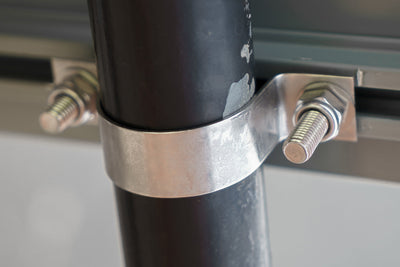
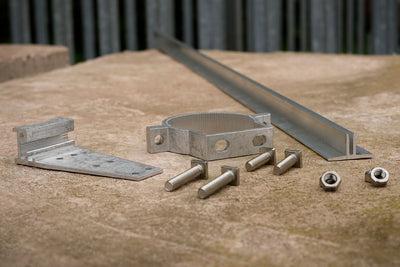
Road signs are fixed in place with metal fixings such as sign clips, banding, and toggles. For permanent installations, go for stainless steel where possible, as this will avoid corrosion caused by weather conditions.
Overlays
To protect your permanent signs and prolong their life, you can add transparent plastic film over the top of the sign face. This comes in two key types:
-
Anti-dew: Prevents dew from forming on the sign face, which could make the sign unreadable in some conditions.
-
Anti-graffiti: Makes it hard for many marking materials to stick to the sign, so they can be washed off with ease.
The takeaway
Before deciding which material is best for your road signs, consider the pros and cons and think about where and how the sign will be used. For signage on a public highway, you will need to use the right reflectivity grade for the use case.
Need further advice about road signs? Get in touch with our friendly sales team.
- Author
You might like:
Anti-Rotational Sign Clips / Post Clips Multiple Size Options
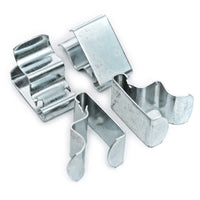
Frame Clips for Metal Temporary Road Signs (sold as singles)
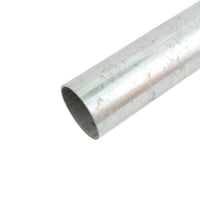
76mm Posts Galvanised 3" Sign Posts in Various Lengths - S275 Grade Steel
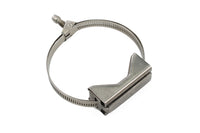
Universal Sign Clips for Post / Pole Mount Signs

600 x 450mm Rectangular - Metal Temporary Road Sign Frame | Stanchion
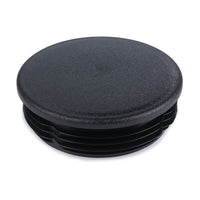
Round Internal End Cap for Sign Posts - Post Cap - Black

1050 x 750mm Rectangular - Metal Temporary Road Sign Frame | Stanchion

5mph Speed Limit Sign Post Mounted Diagram 670 R2/RA2
SandBags - White / Black Polypropylene (Empty / Unfilled)
No Entry Sign - Post Mounted Diagram 616 R2/RA2
10mph Speed Limit Sign Post Mounted Diagram 670 R2/RA2