
 +44 (0)1905 794875
 Wholesale Prices

Speed Bump Regulations Explained
Traffic calming measures play a vital role in improving road safety across the UK. From residential streets and school zones to private car parks and industrial estates, solutions like speed bumps and speed cushions help reduce vehicle speeds, prevent accidents, and also protect pedestrians.
For UK buyers, understanding traffic calming regulations, correct installation, and product types is important - not just for compliance, but for long-term effectiveness.
This guide from our experts covers everything you need to know, including legal height limits, spacing rules, and the different types of speed bumps used in the UK. Use the links to skip ahead if you want to!
What are traffic calming measures?
Traffic calming regulations in the UK
Legal height of speed bumps in the UK
Speed bump dimensions & design standards
How far apart should speed bumps be?
Types of speed bumps in the UK
What are traffic calming measures?
Traffic calming measures are physical design features or visual cues used to slow down vehicles and improve safety. They are widely used by local authorities, contractors, and private landowners.
Common traffic calming methods that you’ll find across the UK include:
-
Speed bumps and speed humps
-
Chicanes and road narrowing
-
Raised tables and crossings
-
Road markings and signage
Check out our bollards buying guide to make sure you’re choosing the right products for your project.
These measures are typically used in and around:
-
20mph zones
-
Residential streets
-
Schools and hospitals
Their main goal is to reduce vehicle speed and encourage safer driving behaviour.

Traffic calming regulations in the UK
Traffic calming regulations in the UK are governed by legislation and guidance from the Department for Transport (DfT). While local authorities may apply additional standards, there are key national rules that must be followed - particularly for speed bumps.
Key legal requirements include:
-
Must be installed on roads with speed limits of 30mph or less
-
Must include adequate signage and lighting
-
Must be installed perpendicular to the road
-
Consultation may be required with emergency services and local stakeholders
There are also strict rules around placement, such as avoiding installation too close to crossings, bridges, or railway lines.
Legal height of speed bumps in the UK
One of the most important aspects of compliance is ensuring the correct height.
UK legal height requirements:
-
Minimum height: 25mm
-
Maximum height: 100mm
In practice, most speed bumps are installed between 50mm and 75mm, as this provides effective speed reduction without causing excessive discomfort or vehicle damage.
Naturally, higher speed bumps tend to reduce speed more aggressively, but they may not be suitable for:
-
Bus routes
-
Emergency vehicle access
-
Industrial environments
Speed bump dimensions & design standards
Beyond height, there are additional design regulations to think about when installing speed bumps:
-
Minimum length: 900mm
-
Maximum gradient: 1:10
-
No vertical face greater than 6mm
These requirements ensure that speed bumps:
-
Are visible and predictable
-
Do not damage vehicles
-
Provide consistent speed reduction

How far apart should speed bumps be?
Spacing is really important to the effectiveness of traffic calming schemes.
If speed bumps are too close together, drivers and residents could complain about discomfort, noise, and potentially wear and tear on vehicles (above and beyond what is expected).
If they’re too far apart, their effectiveness is reduced – meaning drivers will speed up between the bumps.
The ideal spacing between speed bumps in the UK varies depending on factors such as the target speed limit and the type of road being managed. That being said, there are some widely accepted guidelines to help inform installation.
In very low-speed environments - typically around 5mph - speed bumps are usually positioned between 20 and 150 metres apart. In most cases, an average spacing of around 70 metres is used, as this helps maintain consistently low speeds and prevents drivers from accelerating between bumps.
Ultimately, the precise positioning of speed bumps, humps, or speed cushions should be determined by a qualified traffic engineer. They will assess site-specific conditions such as traffic flow, road layout, and safety requirements to ensure the most effective and compliant solution.
Types of speed bumps in the UK
Choosing the right product is just as important as meeting regulations. Different environments require different traffic calming solutions.
Speed bumps
-
Speed bumps are common in car parks, warehouses, and private roads
-
Typically made from rubber or recycled plastic
-
Easy to install and remove
-
Ideal for low-speed (5–10mph) control
Speed humps
-
Wider and more gradual than speed bumps
-
Used on public roads
-
Allow slightly higher speeds (10–20mph)
-
More comfortable for passengers
Speed cushions
-
Speed cushions are smaller, separated sections across the road
-
Allow emergency vehicles and buses to pass more easily
-
Common in urban residential areas
-
Typically around 65–75mm high

Raised tables
-
Flat-topped humps, often used at crossings
-
Improve pedestrian visibility
-
Suitable for town centres and around school zones
Rumble strips
-
Provide vibration and noise rather than vertical deflection
-
Used as a warning measure rather than strict speed control
Final thoughts
Understanding traffic calming regulations in the UK is essential for any contractor, facilities manager, or site operator.
By choosing the right types of speed bumps and installing them correctly, you can create safer environments while staying fully compliant.
Whether you're outfitting a car park, warehouse, or private road, selecting the right traffic calming solution really can make all the difference.
Or speak to our team for expert guidance on compliant installation.
- Author


You might like:
Supagrip SafeKerb - Wheelchair Kerb Curb Ramp
Park-it 1800mm Rubber Wheel Block / Stop With Fixings
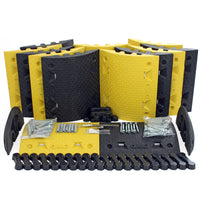
Speed Bumps Complete Kits 50mm 10mph
Park-aid 1800mm Rubber Wheel Stop With Fixings
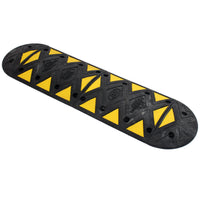
10mph Ridgeback Speed Bump Kits - 50mm
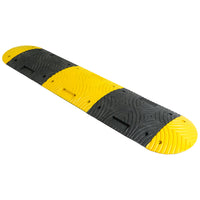
TopStop-Eco Painted Speed Bump Kits
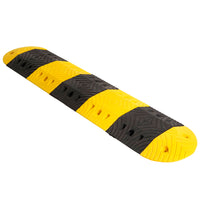
5 Channel Guard Dog Cable Protector GD5X125-ADA Cable Ramp
CMC MC3009 Monster Heavy Duty Wheel Chock
Park-aid 550mm Rubber Wheel Stop With Fixings
Park-aid 1200mm Rubber Wheel Stop With Fixings

