+44 (0)1905 794875
 Wholesale Prices

Spill Control & Containment: Protecting People, Property, And The Environment
Imagine a warehouse floor slick with leaked oil from a tipped drum. Machinery halted, staff at risk, and environmental fines looming. In just minutes, a minor spill can escalate into a costly disaster.
In industrial and commercial environments, reliable spill control is essential. Whether the risks involve chemicals, oils, or general maintenance liquids, businesses need effective spill containment solutions to protect people, property, and the environment. From spill kits to absorbent pads, socks, booms, and pillows, the right equipment supports fast response and regulatory compliance.
In this article, we'll dive into the world of spill control, and discover why training staff in proper spill containment techniques is just as important as having the right products. Skip ahead using the links if you like!
Why spill control is important
Real-world spill control case studies
Where are spill control products used?
Types of spill control products
How spill control protects your business
Building an effective spill response plan

What is spill control?
According to the UK Health & Safety Executive (HSE), spill control refers to the systems and procedures used to contain, absorb, and manage accidental releases of liquid substances in the workplace. These liquids may include oils, fuels, water-based solutions, coolants, solvents, and corrosive chemicals.
High-performance absorbents and spill containment equipment help businesses to:
-
Contain and isolate spills
-
Prevent spreading
-
Reduce slip hazards
-
Protect drains, waterways, and soil
-
Enable safe cleanup and disposal.
Spill control is a key element of workplace health, safety, and environmental management. Proper spill containment training complements these measures, helping staff understand hazards and act quickly when accidents occur.

Why spill control is important
1. Protecting people and property
Uncontrolled spills can create slip hazards and damage your equipment or stock. Using absorbent pads, socks, and spill kits enables a fast response and reduces risk.
The British Safety Council emphasises that workplace safety relies heavily on proactive risk reduction - and spill control is one of the simplest and most effective measures. Training staff through professional courses reinforces these safety practices. Contact us for more information on our courses.
2. Minimising environmental impact
Hazardous liquids can pollute soil, drains, and waterways. The Environment Agency provides guidance on pollution prevention, including containment of oils, chemicals, and other substances. Educating staff on spill response protocols ensures spills are managed correctly every time.
3. Ensuring business continuity
Uncontained spills can halt production, disrupt workflow, or cause machinery downtime. Having strategically-placed spill kits and trained personnel on hand reduces delays and protects operational stability.
4. Avoiding legal and financial consequences
Regulatory bodies such as the Environment Agency outline clear responsibilities around spill prevention and response.
Failure to control spills can result in:
-
Fines or enforcement actions
-
Compensation or insurance complications
-
Environmental cleanup costs
-
Damage to brand reputation.
It's essential to use proper spill containment solutions and make sure your staff have attended professional spill response training. This also demonstrates that your business is committed to compliance and due diligence.
Contact us to learn about our courses, with qualifications accredited by the British Safety Industry Federation (BSIF).
Real-world spill control case studies
Real incidents show how quickly spills can escalate - and how effective spill control measures can prevent serious harm when the right equipment and response plans are in place.
A stark example is the major incident declared following a sodium cyanide spill into a canal network stretching over 12 miles from Walsall to Birmingham. The release of this highly toxic substance resulted in dozens of dead fish and posed a serious risk to public health. Sodium cyanide exposure can cause seizures, vomiting, and loss of consciousness, highlighting the potentially life-threatening consequences of inadequate spill containment.
This incident demonstrates that liability for a spill does not stop at environmental damage or regulatory penalties. The real and immediate risks to human life and health underline the critical importance of having robust spill control measures in place to contain hazardous substances quickly and effectively.
Read the full BBC News report on the canal cyanide spill.
Book your professional spill containment course today. For more information, contact us.
Where are spill control products used?
Spill control is essential in industries such as:
-
Manufacturing and engineering
-
Warehousing and logistics
-
Automotive and fleet maintenance
-
Chemical processing
-
Food and beverage production
-
Construction and utilities.
Learn more: The European Chemicals Agency (ECHA) provides guidance for businesses working with hazardous chemicals, highlighting the need for spill readiness and trained personnel.

Types of spill control products
Industry organisations such as the Institution of Occupational Safety and Health (IOSH) advocate using the correct type of absorbent for the specific liquid hazard. Training ensures that staff know which products to deploy in each situation.
1. Chemical spill control
Used for corrosive and hazardous liquids such as acids and alkalis, chemical spill control products include chemical spill kits, chemical absorbent pads, pillows, socks, and booms. These products are yellow in colour to make them easier to identify.
2. Oil spill control
Hydrophobic absorbents for oils and fuels that repel water are ideal for outdoor or marine environments. This category includes oil spill kits, oil absorbent pads, booms, pillows, and socks. These products are white in colour to help identify them. For specific guidance on how to store oils, the Guidance on Oil Storage Regulations for business is a useful starting point.
3. Maintenance and general purpose spill control
Maintenance and general-purpose spill kits are suitable for everyday water-based liquids, coolants, and non-hazardous spills. They include general-purpose absorbent pads, socks, pillows, wipes, and spill kits. These products are usually grey or black in colour, depending on the brand.
Choosing the right products
Assess your workplace to determine what type of spill control or containment products you need for your environment.
AdBlue spill kits are available in a broad range of sizes to suit different response requirements, from small mobile incidents to large-scale containment. Compact kits from 1 to 50 litres are designed for quick deployment and ease of transport, making them ideal for mobile engineers, fleet vehicles, and locations where a rapid response is essential. Drip trays in the 20-40 litre range and carrying kits from 20-50 litres provide practical control for routine handling, refilling, and minor leaks.
For vehicle-based and operational environments, larger capacity solutions are available to manage higher spill risks. These include 20-80 litre chassis, cab, and vehicle kits, along with 30-100 litre round drum kits that offer increased absorbent capacity while remaining easy to store and deploy. Wheelie bin kits ranging from 120-360 litres are well-suited to workshops, depots, and distribution centres, combining mobility with sufficient volume for more substantial spills.
In high-risk or bulk storage areas, static and high-capacity containment systems provide a robust solution. Options include static boxes or chests from 240-1100 litres, large four-wheeled mobile units, IBC spill pallets, and bunds or berms designed to protect extensive areas around machinery, vehicles, or storage drums. With containment capacities exceeding 12,000 litres, these solutions support regulatory compliance while minimising environmental and operational risk.
Key considerations
-
Identify the potential hazard from the substance. This should be identifiable from the Safety Data Sheet (SDS).
-
Identify hazardous chemicals that are process-generated or naturally occurring.
-
Identify how exposure may occur.
-
Possible air sampling and biological monitoring.
-
Identify the types of fluids or substances stored on site.
-
Consider the amounts of fluid and the potential for leakage. This will help you to determine the size(s) of kits and solutions needed.

How to handle a spill
Here's a quick step-by-step process applicable to most spill situations.
1.Move away: Evacuate the area and notify others working nearby. Get help.
2.Make the area safe: Restrict access; seal off the area by means of barrier tape or notice.
3.Look for injuries:Check yourself and those working nearby for any type of injury.
4.Identify the hazard:Try to identify the spillage; it may help you to deal with the spill more effectively.
5.Obtain the spill kit: This should be nearby, and its location should be known to relevant personnel.
6.Suit up:Wear the appropriate PPE to deal with the spill and double-check its effectiveness.
7.Prevent pollution:Cover any drains using drain covers. If possible, cut off the source of the spill - for example, isolate a valve or upright a leaking drum if safe to do so.
8.Contain the spill: Encircle the spill with trays,socks and booms, and, if possible, attempt to reduce the area of the spill. Use absorbents; these items will start to absorb the spilled liquid.
9.Absorb the spill: Place pads and cushions in the centre of the spill to absorb the pooled liquid.
10.Disposal: Place used absorbents in disposal bags, seal in a container, and mark with contents. Dispose of in accordance with local regulations.
11. Report:Report the incident to a supervisor or manager.
12. Refill the spill kit: Replenish the spill kit with the necessary items or a specific refill kit and make sure it is ready for use.
Explore our full range of spill control products.
How spill control protects your business
Effective spill control:
-
Reduces incident severity
-
Prevents contamination and pollution
-
Lowers cleanup costs
-
Protects staff and visitors
-
Complies with environmental legislation
-
Maintains operational efficiency
-
Strengthens safety culture.
Standards bodies like the International Organisation for Standardisation (ISO) reinforce that proper environmental management, including spill readiness, is part of good corporate governance. Professional training courses enhance workplace safety and regulatory compliance.

Building an effective spill response plan
To ensure full preparedness, businesses should:
-
Assess spill risks throughout the workplace
-
Select appropriate spill kits for each liquid type
-
Position absorbents near machinery, drum stores, and loading bays
-
Train staff in spill response procedures
-
Inspect and replenish kits regularly.
Professional spill containment courses offered by our partners provide hands-on training in the safe use of absorbents, spill kits, booms, and other containment equipment. This training ensures your staff can respond quickly, safely, and in full compliance with health, safety, and environmental regulations. Contact us for more information.
Learn more: The Chartered Institution of Wastes Management (CIWM) highlights the importance of correct waste handling and disposal, especially following a spill.
Final thoughts
Effective spill control and containment is essential for protecting people, property, and the environment. By using the right spill kits, absorbents, booms, and pillows, and ensuring staff are trained by completing professional courses, your business can minimise accidents, stay compliant with regulations, and reduce costly downtime.
Investing in spill control products and training is not just about safety; it’s about safeguarding your operations and reputation.
Browse our spill control products or book a professional training course today.
FAQs about spill control
What is the difference between chemical, oil, and general-purpose spill kits?
Chemical spill kits are for acids and hazardous chemicals, oil spill kits absorb fuels and oils while repelling water, and general-purpose kits handle everyday leaks like water-based liquids and coolants.
How often should spill kits be replenished?
Spill kits should be inspected monthly and replenished immediately after use to ensure readiness.
Do I need professional training to handle chemical spills?
Yes. Training from our partners ensures that staff are aware of safe handling procedures and regulatory requirements.Contact us for more information.
Can spill control products prevent environmental fines?
Proper spill containment, combined with staff training, significantly reduces the risk of contamination, protecting your business from fines or regulatory action.
- Author





You might like:
Fentex Oil Stain Remover Tarmac and Asphalt 5L
Ecospill Blue Hazardous Waste Disposal Bags & Ties (100 Pack)
Fentex Isopropyl Alcohol Extra Large Wipes (IPA-Wipes) 6 Litre Tub

Fentex General Purpose Spill Kit Label 22cm x 22cm
Fentex Oil Stain Remover Tarmac and Asphalt 1L
Fentex Oil and Fuel Spill Kit Label 22cm x 22cm

Fentex Oil and Fuel Spill Kit - Drum 35L
Fentex SpillTrapper® Oil Absorbing Plant Equipment Mat

Fentex Evo Recycled® General Purpose 25L Drum and Jerry Can Tray with Container Stand for 16 Drums

Ecospill EcoZyme 2 Heavy Duty Enzyme Oil Stain Remover
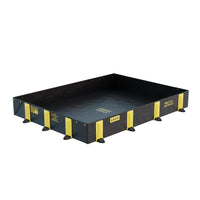
Justrite Rigid Lock QuickBerm 1,344 Litre Portable Spill Containment Berm (1800x2400x305mm)