+44 (0)1905 794875
 Wholesale Prices

How To Paint Bollards
As well as providing security and controlling traffic flow, bollards can enhance the appearance of a private premises or a public area. But only if you make the effort to keep them looking smart!
Painting bollards is one way to maintain their attractiveness and visibility, but what does the process involve? Can you even paint a steel or plastic bollard? In this post, we’ll explain how to paint bollards - and how to do it right.
You can skip ahead to later sections using the links.
Why would you need to paint a bollard?
Why would you need to paint a bollard?
There are various reasons why you might want to add a fresh coat of paint to your bollards:
-
Change of branding: If your company has a new colour scheme or logo, you may want to update your bollards to match.
-
Faded colour: Painted surfaces (and plastic) can fade over time, especially if the bollard’s original coating was non-UV-resistant.
-
Rust: Metal bollards can experience rusting, which makes them look scruffy.
-
Peeling or flaking paint: This also looks a mess. It’s usually caused by corrosion from underneath, as well as general wear and tear.

How to paint bollards
Ready to get started? Check out the first steps for all bollards, and then find your bollard type in the sections below.
First steps
Whatever type of bollard you’re planning to paint, the first step is to make sure it’s completely clean. Remove any dirt, moss, or mould. You can use a pressure washer, a detergent, or just soap and water.
It’s also vital to choose the right paint for the job. Research this carefully before making a purchase - you’ll need paint that’s suitable for the bollard’s material, and for its environment (for example, weather-resistant and UV-stable paint for bollards exposed to the elements).
The process of painting bollards varies depending on the material the bollard is made from. Read on for our handy guide.
Wooden bollards
The method will depend on whether the wood has already been painted or stained.
Bare wood
If the wood has never been painted before, you’ll need to prepare it carefully. Clean the bollard, use wood filler to fill in any holes or imperfections, and sand the surface.
It’s vital to use a primer - skipping this step will give you an uneven finish, as bare wood is highly absorbent. Once it’s dry, sand lightly again and remove the dust before applying two or three coats of paint.
Painted wood
If the existing paint finish is good, check that the underlying wood is also in good condition. If so, sand the surface lightly to “key” the paint.
For best results, apply a suitable primer and then two thin coats of your chosen top coat paint. Apply the paint with a brush or roller, following the grain of the wood.
If the original paint is flaking, scrape this off or use a pressure washer to remove it. Wait until the timber is dry before following the same process as above.
Lacquered / stained wood
Again, as long as the wood is in good condition, you can lightly sand your wooden bollards to key the finish. Apply a suitable primer that will cover the existing stain or lacquer, and then add a suitable top coat paint.
For all types of wood, you may also choose to add a timber preservative under the primer and paint to help prevent rot.
When should I not paint wood?
If the wood has any burn damage, you will need to sand the whole burnt area away before painting - otherwise the paint won’t stick.
If any part of the wood is rotten, you’ll have to cut that area out of the bollard. Depending on how extensive the damage is, you might be better off cutting your losses and just buying a new post.
Steel bollards
Again, the painting process differs between different types of steel.
Galvanised steel
To paint a galvanised steel post, you need to start by degreasing the whole surface. Lightly sand or scuff it to key the finish, then use a specialist primer designed for galvanised surfaces. Some standard paints can react with, or not stick properly to, galvanised steel.
Non-galvanised steel
If your steel post isn’t rusted, you can sand it lightly. Apply a quality primer, then move on to thin coats of top coat paint to achieve a good smooth finish.
If there is rust, use a wire brush to scrub it away (you’ll need to wear appropriate PPE for this task). Then use a rust treatment such as Bilt Hamber or a similar product. If you fail to do this, it will only be a matter of weeks or even days before you start to see rust again - ruining all your hard work.
After removing the rust, continue with the same process as above.

Powder-coated steel
Powder coatings (where paint has been electrostatically applied to the metal) are difficult to paint over with traditional paints. If you need to refresh a powder-coated bollard or change its colour, you can have a new coating applied professionally. But there is a DIY method.
Clean the surface with high-quality degreaser, then rinse this off and let it dry fully before lightly sanding the surface with fine-grit sandpaper. You want to rough up the surface without removing the original coating.
Next, apply a high-adhesion primer that’s specifically designed to bond with smooth or non-porous surfaces. Allow this to dry before adding a suitable topcoat.
Stainless steel
Stainless steel isn’t often painted, as it already looks smart and is highly resistant to corrosion. It’s also tricky to paint, as many standard paints won’t adhere to the metal.
However, if you do need to paint a stainless steel bollard, you can use a similar method as for powder-coated posts. Start by degreasing the surface and keying it with fine-grit sandpaper.
In a factory setting, the steel would be shot-blasted to prepare it for a coating, but you can buy a specialist primer to use. Apply this evenly and allow it to dry completely, then apply a suitable topcoat.
Plastic bollards
It’s generally not recommended to paint plastic bollards. This is because plastic tends to expand and contract as the temperature changes, and the paint will most likely flake if the bollard is hit by a vehicle.
If you really do want to paint your plastic bollard, sand it lightly to key the plastic. Then use a suitable plastic primer, followed by top coats of a suitable outdoor-grade paint designed to bond to plastic surfaces - such as acrylic or polyurethane.

Concrete bollards
To paint a concrete bollard, clean it thoroughly with a pressure washer to remove old paint as well as general grime. You’ll need to use specialist masonry primer and a paint that will adhere to porous surfaces, such as acrylic latex paint. Let the primer dry fully before applying two coats of paint.
Extra tips for success
Don’t paint bollards (or anything else) in strong sunlight, as the paint may dry too quickly. If this happens, it won’t stick to the surface properly and will soon start to flake or peel.
Inspect your bollards regularly for any dings or scratches in the paint, and give them another coat if necessary to keep them looking fresh and smart. When properly applied, the paint will also help to protect the posts.
You should also check your bollards for any corrosion or rot. This is most likely to occur and be visible at ground level. If a bollard is rotting through, it may be unsafe and you’ll need to replace it.
Final thoughts
Painting your bollards can give them a new lease of life. Follow our guidance to achieve an attractive and long-lasting finish, and improve longevity with regular maintenance checks.
If you do decide to replace your bollards with new ones, we have a wide selection to suit your needs. Give our friendly sales team a call for more information.
- Author
- Tags

You might like:
Wychwood Flexible Verge Marker Post - Reflective - JSP
Reflective Verge Road Marker Post - Churchill Bollard
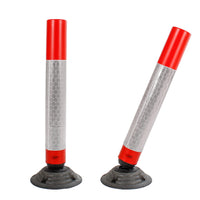
JSP Springback 75cm Traffic Delineator Post With Sleeve
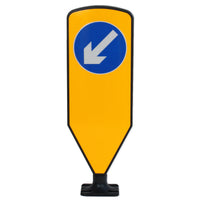
Duraflex Self Righting Traffic Bollard | Multiple Options
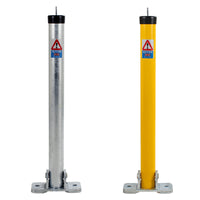
Autopa Galvanised Padlock Parking Post Folding / Hinged 730mm x 60mm
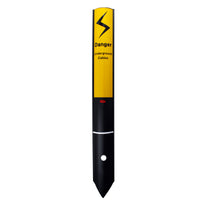
Danger Underground Cables' Verge Marker Post | HEV040-125-301
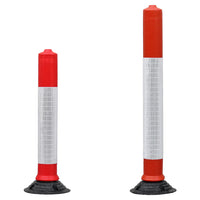
JSP Glopost Delineator Marker Post - 75cm or 100cm
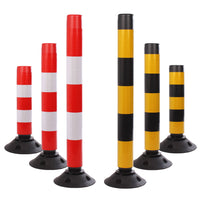
Traffic Line Off-Highway Posts | 460mm, 760mm & 1000mm
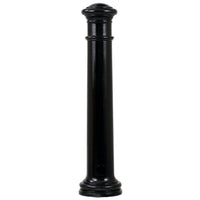
Manchester Heritage Fau-Cast Iron Bollards UltraThane 6000
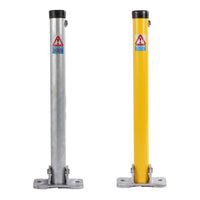
Autopa Galvanised Integral Lock Parking Post Folding / Hinged 730mm x 60mm
Procity Electric Car Charge Point Protector - Tripod Design (No Fixings)