+44 (0)1905 794875
 Wholesale Prices

Hedge Cutting: When Can You Do It?
Hedge cutting is an important task because it encourages healthy growth of the hedgerow and helps to maintain a neat landscape. But when can you cut a hedge?
Why are there rules about hedge cutting?
Legislation is in place to protect some bird species which make their nests in hedges. In fact, the Wildlife and Countryside Act 1981 makes it an offence to intentionally damage or destroy the nest of any wild bird while that nest is in use or being built. Cutting or trimming hedges at certain times of year could harm any nests that might be present.
What are the rules on cutting hedges?
Under the Management of Hedgerows (England) Regulations 2024, it is illegal (in most circumstances) to cut or trim hedges between March 1 and August 31 inclusive. This is the main nesting season for birds.
These rules apply to any hedgerow growing on - or next to - land used for agriculture, if the hedgerow is:
- more than 20m long with gaps of 20m or less in its length
- less than 20m long, but meets another hedgerow at each end.
"Land used for agriculture" has a wide scope and covers land used for things like fruit-growing, allotments, and grazing animals. It even includes woodlands where agricultural activities take place. For example, if you're planning to trim the hedge at a golf course but it borders a field used for grazing ponies, the cutting rules apply.

Exceptions to the rules
However, there are some exceptions to the hedge cutting rules. If a hedge meets one or more of the following criteria, it may be cut or trimmed during the prohibited period:
- The hedge overhangs a highway, road, or footpath over which there is a public or private right of way, and this obstructs the passage of, or poses a danger to, pedestrians or road users
- The hedge obstructs the view of road users or the light from a public lamp
- Parts of the hedge are dead, diseased, damaged, or insecurely rooted and therefore likely to cause danger by falling on to a highway, road or footpath
- The hedge was planted within the last six months and you want to trim it by hand.
There are a few additional exceptions - you can see full details here.
For more information on hedgerow management see these guidelines from Hedgelink.

Do I need PPE to trim a hedge?
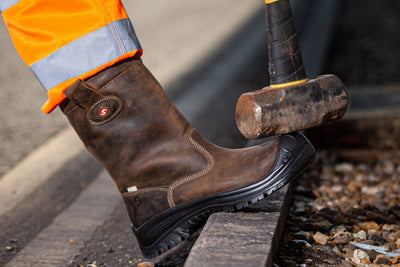
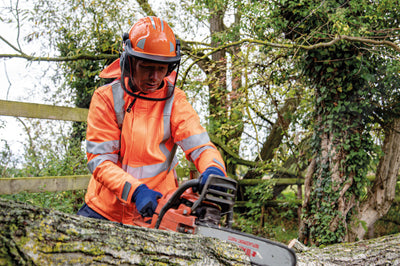
If you're using a hedge trimmer, you should always wear protective clothing and accessories. This includes eye protection and/or a face shield to prevent debris from hitting your eyes and face, plus robust gloves and sturdy shoes or boots.
Ear defenders are a good idea when using noisy tools, and you can add a hard hat if you're working on a tall hedge (above shoulder height). Avoid baggy clothes that could snag on the machinery, and make sure you tie long hair out of the way.
Those who use hedge trimmers or chainsaws regularly should also consider specialist trousers with built-in cut protection.
Warning road users of hedge cutting
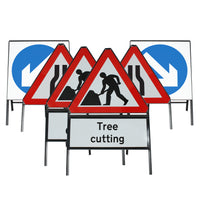
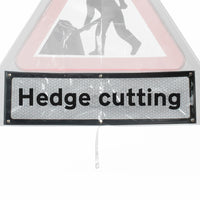
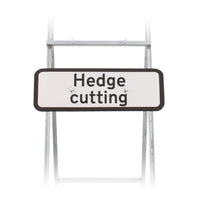
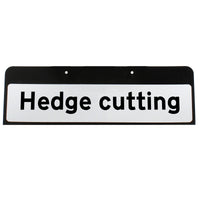
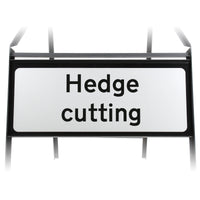
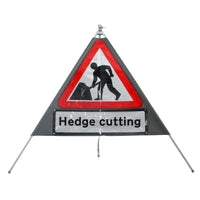
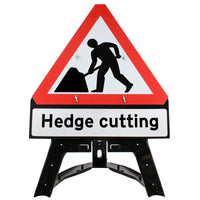
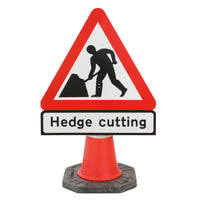
If you are planning to cut a hedge at any time of year, you will need to set up temporary signage to tell road users that the work is taking place. These signs usually take the form of "Men At Work" warning triangles, with supplementary plates specifying "Hedge Cutting".
We offer hedge cutting signs in several formats, including metal signs, roll-up signs, cone signs, and plastic QuickFit EnduraSigns. You can buy the supp plates separately or as part of a package.

Ready to cut your hedge?
You can't cut certain hedges at certain times of the year. Make sure you're familiar with the rules that apply to your situation before going ahead with any hedge work - and always check hedges for birds' nests, even in a non-agricultural setting.
Need a hedge cutting sign or protective clothing? Visit our online shop, or call our friendly sales team if you have more questions.
FAQs
What about domestic hedges?
The hedgerow management rules don't apply to hedges in purely domestic settings such as back gardens. However, the Wildlife and Countryside Act 1981 still applies. So if you’re planning any hedge work between March 1 and August 31, you'll need to check carefully for birds’ nests (or any other wildlife making its home in the hedge).
When is the best time to cut hedges?
Assuming you have carried out a check for birds' nests, spring is generally the best time for trimming overgrown hedges - just before the new growth starts.If yours is a flowering hedge, wait until after it has finished blooming. Dry weather is best, as it's harder to achieve an even cut on wet foliage.
When is it illegal to cut hedges?
Under the hedge cutting regulations UK, it's illegal (in most circumstances) to cut or trim hedges between March 1 and August 31 inclusive.
- Author
- Tags
Related articles


You might like:
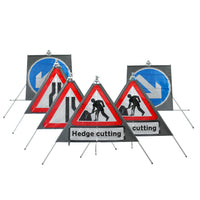
Classic Roll-Up Hedge Cutting Sign Package
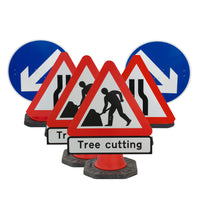
Cone Sign Tree / Hedge / Grass Cutting Package - (Cones Sold Separately)
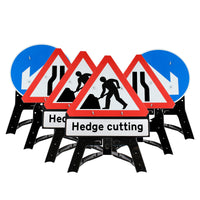
Hedge Cutting QuickFit EnduraSign Package | 750mm
Hedge Cutting Roll Up Road Sign Supplementary Plate dia. 7001.1 / RA1
Hedge Cutting Sign Quick Fit (Face Only) | Dia. 7001.1
Hedge cutting Sign QuickFit EnduraSign Drop Supplementary Plate Dia 7001.1 | 870x275mm (face only)
Hedge Cutting Supplementary Plate - Metal Sign
Men at Work Inc. 'Hedge Cutting' Sign dia. 7001 - Roll Up Sign / RA1
Men At Work Inc. 'Hedge cutting' Sup. Plate Sign QuickFit EnduraSign Dia. 7001

Men at Work Sign - Inc. 'Hedge Cutting' Sup Metal Road Sign Dia. 7001 Face Zintec | 750mm
Men at Work with Hedge Cutting Cone Sign - 750mm (Cone Sold Separately)